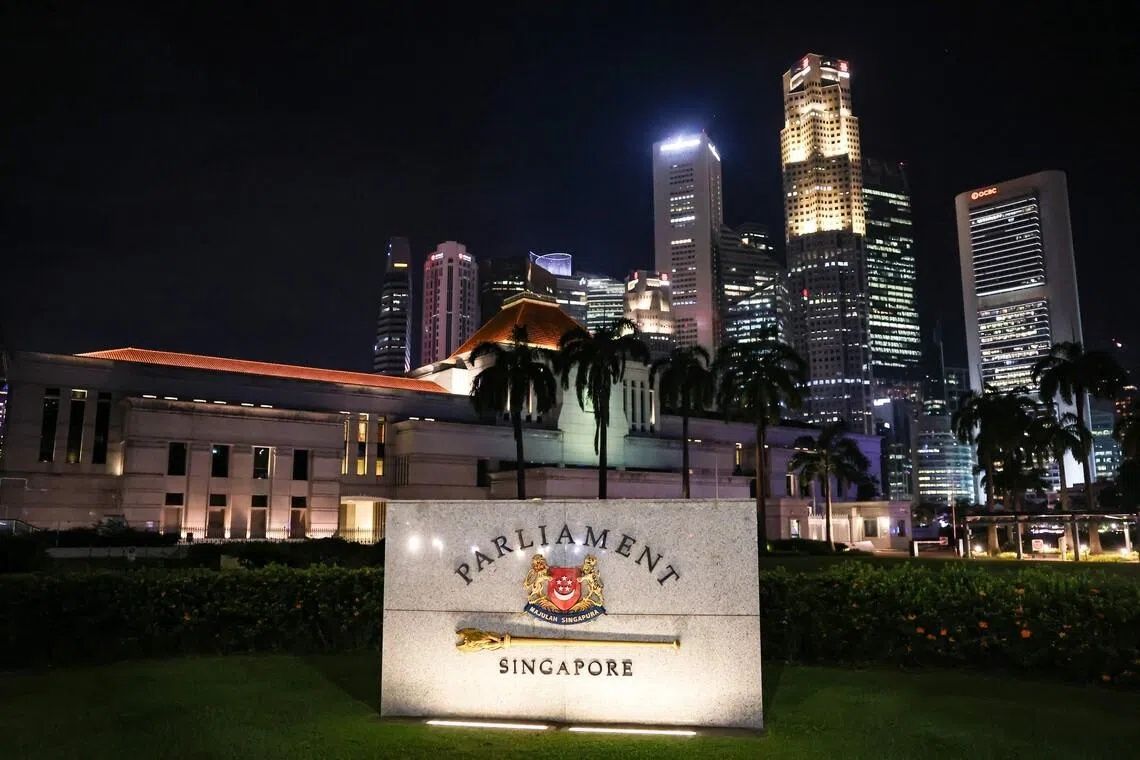
Singapore police have moved to prosecute a 40-year-old man accused of lodging deliberately false bomb threats against two prominent government buildings, including Parliament House, in a series of incidents that unfolded over the course of a week in early July. The suspect was arrested on July 7 and formally charged on July 9 with the offence of communicating false information of a harmful thing, a serious charge that underscores the authorities' zero-tolerance approach toward such threats in the city-state.
The first incident occurred on July 3 when the Home Team Science and Technology Agency, located at One North, received an ominous online submission claiming that an explosive device had been placed inside its premises. This submission triggered an immediate security response, with police and investigators descending on the building to conduct exhaustive checks. The thoroughness of the police operation reflected both the seriousness with which such reports are treated and the standard protocol established for potential threats to critical infrastructure and government facilities across Singapore's tightly controlled security environment.
Four days later, on July 7, the police received a report of an anonymous email that had been sent directly to the Prime Minister's Office. The email alleged that a bomb had been planted at Parliament House, the seat of Singapore's legislative authority. This second threat, coming so shortly after the first, represented a concerning escalation that again mobilized significant security resources and required systematic investigation of the Parliament complex and its surroundings. The timing and nature of the threats suggested a deliberate pattern rather than isolated incidents.
The investigation proceeded swiftly, with officers from the Criminal Investigation Department and the Central Police Division working to establish connections between the two separate reports. Their detective work proved efficient: they rapidly determined that both threats had originated from the same individual, linking the incidents through digital forensics and investigative techniques. This identification allowed police to narrow their search significantly and mobilize resources toward apprehending the perpetrator before additional false threats could be made.
The suspect was apprehended on July 7, the same day the second bomb threat materialized. During the arrest, police seized several electronic devices from his possession, equipment that investigators believed had been instrumental in submitting both the online form and the email. These devices would form crucial evidence in the prosecution case, potentially establishing the digital trail connecting the accused to the communications.
Security sweeps conducted at both the HTX building and Parliament House discovered no credible threats or suspicious items. Despite the false alarms, authorities maintained rigorous search protocols, systematically examining buildings and surrounding areas to rule out any possibility of an actual explosive device. The absence of real threats underscored the bogus nature of the reports, though the investigation had to proceed with full seriousness given the potential consequences of overlooking a genuine threat.
The severity of the charges reflects Singapore's legal framework governing hoax threats. If convicted, the man faces potential imprisonment for up to seven years, a fine reaching as high as S$50,000, or both penalties combined. These substantial consequences demonstrate how the legal system treats false bomb threats not merely as pranks or minor infractions, but as serious offences that carry grave implications for public safety and government functioning.
Singapore's authorities have consistently emphasized the societal costs of false bomb threats, which they view as extending beyond individual incidents. Such threats generate unnecessary public anxiety among residents and workers in affected buildings, disrupting normal daily operations and routines. More significantly, false reports consume considerable police and emergency response resources that could otherwise be deployed to address genuine security concerns or other public safety matters. In a densely populated city-state dependent on efficient governance and public confidence, the reputational and operational damage caused by such hoaxes carries particular weight.
For Malaysian observers, the case illustrates how developed city-states maintain strict enforcement regarding threats to government institutions and public security infrastructure. Singapore's rapid investigation and prosecution demonstrate the capabilities of its law enforcement agencies, which operate with advanced digital forensics and coordinated protocols. The case also reflects broader regional concerns about hoax threats and false alarms, which authorities across Southeast Asia view with increasing seriousness as security threats evolve and online communication facilitates rapid dissemination of false information.

