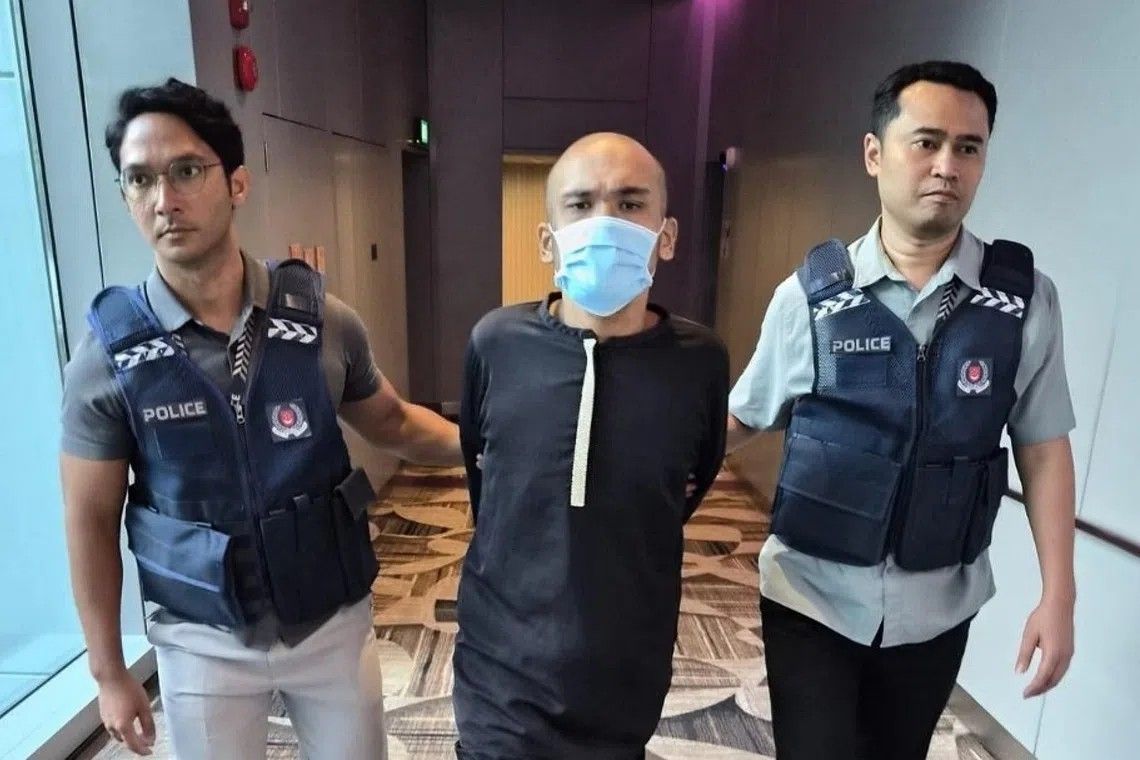
A 27-year-old Singaporean national named Elvin John Baptist appeared in court on August 7 following allegations that he made insulting and profane remarks targeting the Muslim community. The case underscores persistent challenges facing Southeast Asian nations in managing religious sensitivities in an increasingly connected digital landscape, where inflammatory content can spread rapidly across borders and incite communal tension.
Baptist faces a single charge under Singapore's Maintenance of Religious Harmony Act, legislation specifically designed to protect religious groups from deliberate insults and offences that threaten public peace. According to court documents, the accused allegedly uploaded two TikTok videos on March 1 in which he uttered derogatory statements in Malay that were deliberately crafted to demean Islam and potentially destabilize religious harmony within Singapore's multicultural society.
The case gained momentum when police received a complaint on March 1—the same day the videos were posted—but Baptist had already departed Singapore by the time authorities began their investigation. This swift disappearance across international borders highlights how digital-age offences create jurisdictional complications for law enforcement, requiring cooperation between countries to apprehend suspects who flee to avoid prosecution.
Singaporean authorities coordinated with the Royal Malaysia Police to locate and apprehend Baptist, who was subsequently deported from Malaysian territory on August 6. He was taken into custody immediately upon his arrival back in Singapore that same day, marking a coordinated regional response to religious sensitivity violations that resonated with Malaysian authorities. This cross-border cooperation demonstrates how neighbouring Southeast Asian nations increasingly collaborate on matters touching religious sentiment, reflecting shared concerns about communal stability.
Beyond the primary charge, Baptist is currently cooperating with investigations into a separate and potentially more serious incident involving a different video that has circulated on social media platforms. This second video allegedly depicts an individual desecrating a Quran by stepping on it aboard a public bus operating within Singapore. The involvement of multiple incidents suggests a pattern of deliberately provocative behaviour rather than isolated incidents, raising questions about intent and premeditation.
The circumstances surrounding this second video are particularly sensitive because it involves a public space where diverse religious communities travel daily. Public transit systems in Singapore and across the region serve as microcosms of multiculturalism, and any deliberate acts of religious desecration in such environments carry heightened symbolic weight and potential to trigger broader communal reactions. Police investigations into whether Baptist bears responsibility for this second incident remain ongoing.
Singapore's Maintenance of Religious Harmony Act represents one of the region's most robust frameworks for protecting religious minorities from deliberate insults. The legislation criminalizes conduct that wounds the religious feelings of adherents or engenders disharmony between religious communities, recognizing that in densely populated, multi-faith societies, unregulated offensive speech can quickly escalate into violence. The fact that Baptist was specifically charged under this law signals authorities' determination to treat religious offences seriously.
The case arrives amid broader regional conversations about digital citizenship and online responsibility. Southeast Asian nations have increasingly grappled with how to balance free expression rights with imperative to protect religious harmony, particularly as social media platforms enable rapid dissemination of inflammatory content that might previously have remained localized. Young people using platforms like TikTok often underestimate the viral potential and real-world consequences of their postings, particularly when content touches sensitive religious or ethnic matters.
Malaysia's swift cooperation in deporting Baptist reflects the seriousness with which neighbouring nations treat religious harmony violations, even when perpetrators are not Malaysian citizens. This regional solidarity on religious protection matters demonstrates how Southeast Asian governments view such offences as threats to the broader social fabric rather than mere individual transgressions. The coordination between Singapore and Malaysian authorities sets a precedent for managing cross-border incidents involving religious sensitivities.
For Malaysian readers and Southeast Asian observers, the Baptist case illustrates how digital platform misuse can trigger international legal consequences and how cooperation between nations amplifies enforcement capacity. It also underscores why understanding and respecting the religious sentiments of different communities remains crucial in pluralistic societies, where deliberate insults can fracture the delicate balance of coexistence. As digital connectivity increases across the region, similar cases are likely to become more frequent unless users exercise greater responsibility.
The investigation into the secondary Quran desecration incident may yield additional charges, potentially widening the scope of Baptist's legal exposure. Authorities must now determine the video's authenticity, the identity of the person depicted, and whether Baptist bears responsibility or has knowledge of its creator. These investigative steps will demonstrate whether the incidents represent coordinated provocations or coincidental parallel offences.
The case also raises important questions about platform responsibility, as TikTok and other social media services continue to struggle with content moderation across diverse cultural contexts. What may be dismissed as mere shock humour in some Western contexts carries deeply painful implications in religious communities with histories of persecution or marginalization. Southeast Asian platforms and their international operators must develop more culturally nuanced content policies that respect regional religious sensitivities while preserving legitimate expression.
As Singapore pursues prosecution, the case will likely establish important precedent regarding enforcement of religious harmony protections in the digital age. The outcome may influence how other Southeast Asian nations approach similar violations, potentially shaping regional norms around online behaviour and digital accountability. For ordinary citizens, the prosecution serves as a pointed reminder that inflammatory speech targeting religious groups carries serious legal consequences across the region.

