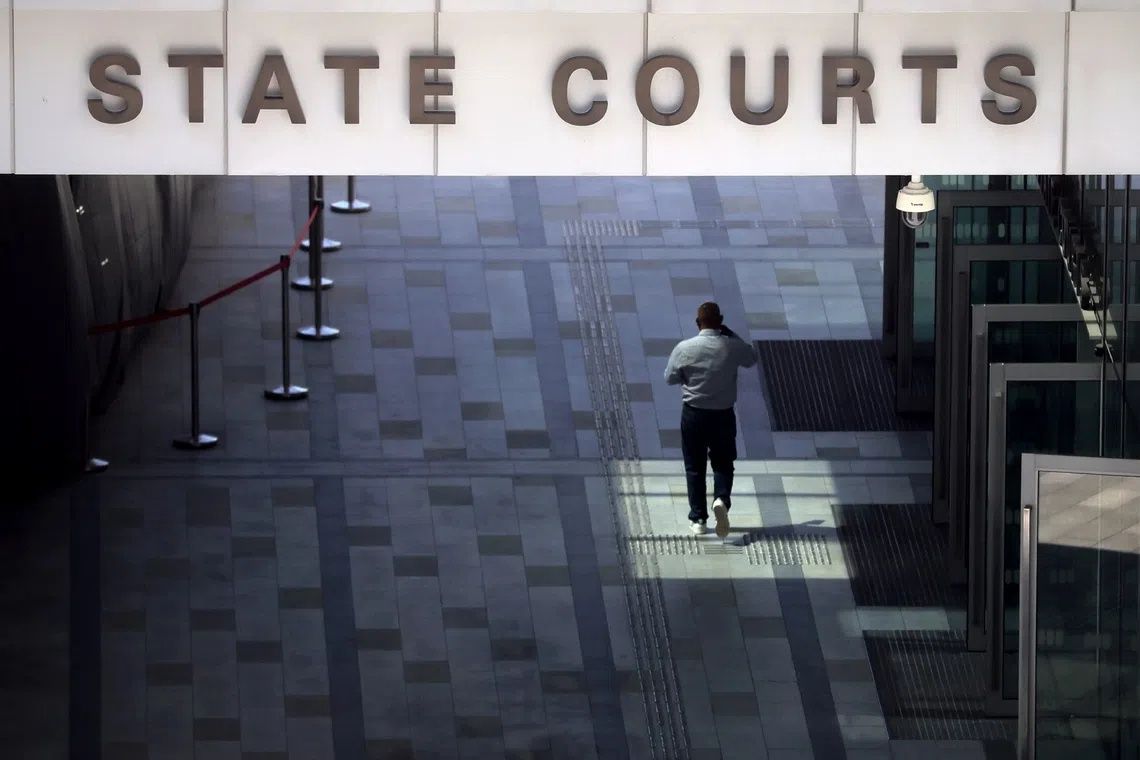
A Singaporean man has been charged in court with two separate counts of ill-treating children, stemming from incidents that paint a troubling picture of domestic conduct in the city-state. The 40-year-old father, whose identity is protected under a gag order to shield his young victims, appeared in court on Thursday, Aug 6, facing allegations that span several months and involve both physical violence and deeply concerning behavioural incidents directed at his minor children.
The first alleged incident occurred on the morning of Sept 8, 2025, within the confines of the family's eighth-floor HDB flat. According to court documents, the man instructed his 10-year-old son to remove his clothing entirely and then proceed alone via lift to the ground floor of the residential block. The documents do not clarify whether the child carried out this instruction, nor do they explain the circumstances that led to such a directive. The allegation raises questions about parental judgment and the welfare protocols that may have been in place to protect the child from potential harm or public exposure during such an action.
The second instance of alleged abuse took place at Changi Airport Terminal 3 on the evening of Oct 3, 2025, approximately five minutes before 6pm. At this busy international transit hub, the man allegedly assaulted his eight-year-old daughter through a series of violent acts, including slapping, punching, and pushing. These actions reportedly resulted in visible injuries to the child's face and neck region. The public nature of this incident—occurring in one of Singapore's busiest transportation hubs where numerous witnesses would have been present—adds a significant dimension to the allegations, suggesting the violence occurred in a setting where intervention by bystanders or airport staff may have been possible.
The charges against the father fall under Singapore's provisions for child ill-treatment, a serious criminal category that acknowledges the vulnerability of young children and the responsibility of parents and guardians to provide safe environments. The Singaporean legal system has progressively strengthened protections for minors, recognising that physical abuse and behavioural exploitation can have lasting psychological impacts on developing children. These cases are handled with particular sensitivity given the formative nature of childhood and the potential for trauma to affect long-term development.
Notably, the court documents filed in the case contain no information regarding the motivations behind either alleged incident. The prosecution has not disclosed whether there were triggering circumstances, disciplinary intentions, or other contextual factors that the father might claim led to these actions. This absence of disclosed motive underscores the challenges in understanding cases of alleged child abuse, where complexity often exists beneath the surface of dramatic incidents.
The case reflects broader concerns within Singapore and across Southeast Asia regarding child welfare and family violence. While Singapore has robust legal frameworks and well-resourced child protection agencies, incidents such as these highlight the persistent challenges in identifying and preventing abuse within domestic settings. The first alleged incident, occurring within the privacy of a home, particularly demonstrates the difficulty authorities face in detecting concerning parental behaviour before it escalates or results in harm.
For Malaysian readers and observers across Southeast Asia, such cases serve as reminders of the universal nature of child protection challenges. Despite differing cultural contexts and varying legal systems, Southeast Asian nations grapple with similar issues around domestic violence, parental discipline boundaries, and the protection of vulnerable minors. Singapore's relatively swift legal response and public reporting of such cases—within the constraints of its gag order protecting child identities—reflects the priority the city-state places on child welfare in its judicial system.
The case will be mentioned again in court on Aug 13, suggesting that the legal process is still in its early stages. At this juncture, formal proceedings will likely determine whether the case proceeds to trial, bail conditions are adjusted, or other procedural matters require attention. The involvement of multiple agencies—including the police, airport security, and child protection services—indicates that the incidents were investigated thoroughly before charges were filed.
The protection of the children's identities through the gag order reflects Singapore's approach to balancing the public's right to information with the paramount interest of protecting minors from further trauma or identification. This legal principle recognises that children involved in abuse cases require privacy to facilitate their recovery and reintegration. As the case progresses through the courts, the focus will remain on ensuring that justice is served while prioritising the wellbeing and rehabilitation of the two young victims involved.

