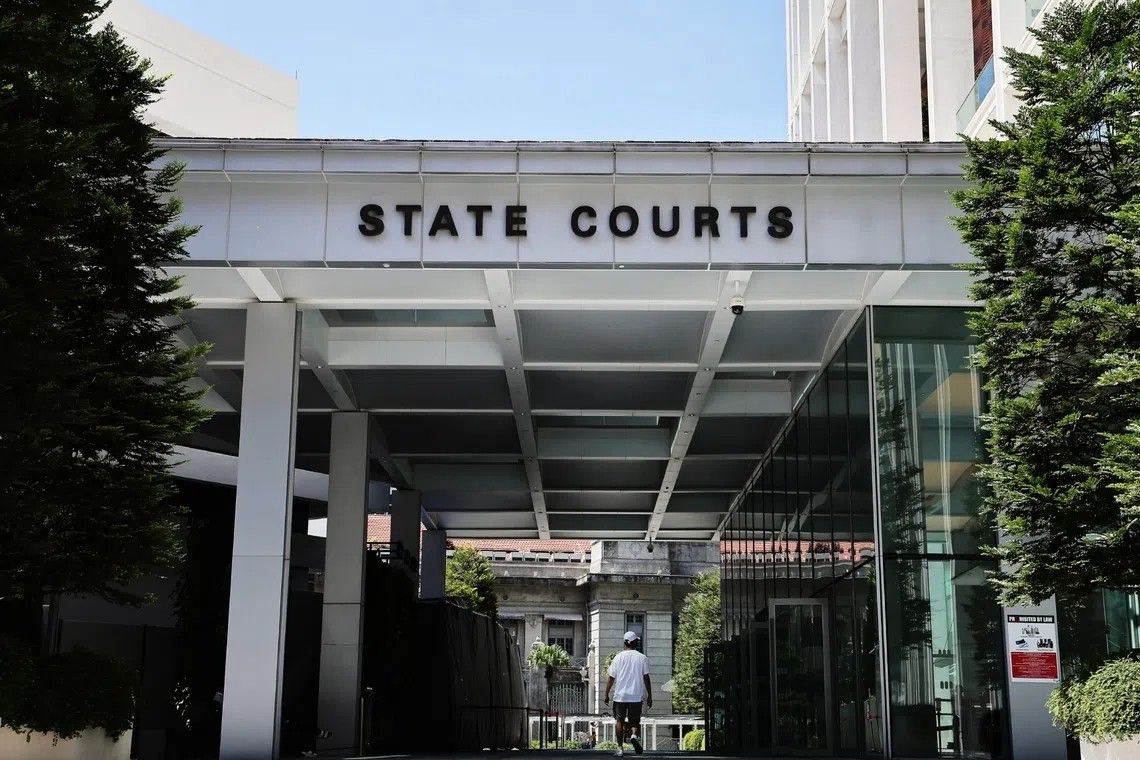
A 22-year-old driver in Singapore has been charged with eight offences following a fatal incident at a petrol station on Upper Changi Road North, where a 69-year-old pump attendant was fatally struck. Ray Png AZ received the charges on August 8, several days after the incident occurred at an Esso station in the early morning of August 6. The charges encompass a troubling mix of driving violations, including operating a deregistered vehicle without a valid licence and the most serious allegation of causing death through driving without proper care and attention. Prosecutors also allege that Png was operating under the influence of drugs at the time.
According to police accounts of the incident, the sequence of events unfolded with tragic consequences during a routine refuelling operation. At approximately 3.55 am, Png allegedly reversed his vehicle abruptly while the elderly pump attendant was preparing to refuel the car. The open driver's door swung outward and struck the attendant with sufficient force to knock him to the ground. The elderly man's head connected with the pavement as he fell, causing injuries that would prove fatal. Despite immediate medical attention—the attendant was transported to hospital following the collision—he succumbed to his injuries, marking a devastating conclusion to what should have been an ordinary working shift.
The circumstances surrounding Png's conduct after the collision further compound the gravity of the allegations against him. Rather than remaining at the scene to render assistance or comply with legal obligations, Png allegedly abandoned the vehicle and fled the petrol station with a female passenger who was in the car at the time. This flight from the scene prevented immediate accountability and complicated the investigative process. Both individuals were nevertheless apprehended by authorities later that same day. The female passenger now faces separate investigation for her own alleged consumption of a controlled drug and for abetting the driver's actions, making her a secondary focus of the criminal inquiry.
Among the charges levelled against Png is the operation of a deregistered vehicle, a violation that Singapore's police force has emphasised carries serious ramifications for road safety across the nation. Deregistered vehicles represent a particularly dangerous category of transportation because they operate outside the regulatory framework designed to protect the public. Without current registration, such vehicles lack mandatory insurance coverage—a critical safeguard that protects victims and their families in the event of accidents. Additionally, deregistered cars are not subject to periodic safety inspections that ensure essential systems such as brakes, steering, and lighting function properly. These gaps in oversight create compounding risks that affect not only the driver but all other road users who share the same streets.
Police have highlighted that the danger escalates exponentially when deregistered vehicles are piloted by drivers who lack proper licensing or authorisation. When an unlicensed or underage driver operates such a vehicle—particularly if under the influence of drugs—the protection mechanisms that normally exist to regulate road safety are systematically stripped away. In Png's case, multiple risk factors converged: the vehicle was unregistered, the driver apparently lacked a valid licence, and he was allegedly impaired by drugs. This combination of violations paints a picture of reckless disregard for both legal requirements and public safety.
The legal consequences Png faces reflect the severity of his alleged actions. Driving without a valid licence carries potential penalties of up to $10,000 in fines, up to three years imprisonment, or both, with the possibility of vehicle forfeiture. The more grave charge of driving without due care and attention resulting in death carries identical financial and custodial penalties. For the drug-impaired driving allegation, penalties range from $2,000 to $10,000 in fines, up to one year imprisonment, or both, with mandatory driving disqualifications across all vehicle categories. Operating a deregistered motor vehicle can result in fines reaching $20,000, imprisonment for up to two years, or both. The cumulative sentences Png may face, if convicted on all counts, could result in substantial incarceration.
The case underscores vulnerabilities in Singapore's transportation enforcement ecosystem, particularly regarding vehicles that operate outside regulatory channels and drivers who operate without proper credentials or while impaired. Petrol station attendants, like many service workers across Southeast Asia, occupy a position of occupational vulnerability, often working late-night or early-morning shifts when traffic is lighter but accidents can occur with minimal witnesses. The random nature of this tragedy—a routine refuelling operation interrupted by an unregistered vehicle operated by an allegedly impaired driver—raises questions about how such vehicles navigate urban roads and evade detection.
For Malaysian observers, the case provides a cautionary reminder of the importance of vehicle registration regimes and licensing enforcement mechanisms that remain priority areas in Malaysia's own road safety agenda. Both nations share similar challenges regarding rogue drivers and unregistered vehicles on public roads, though enforcement strategies and deterrent penalties vary. The incident illustrates how the convergence of multiple violations—unregistered status, lack of valid licensure, drug impairment, and reckless operation—can transform a moment of carelessness into a tragedy with irreversible human consequences.
Png's matter is scheduled to proceed to a pre-trial conference on August 28, where the court will address procedural matters and potentially set a timeline for trial proceedings. The coming weeks will reveal whether the prosecution can substantiate the allegations of drug impairment and establish the culpability of the driver beyond reasonable doubt. For the family and colleagues of the deceased pump attendant, the judicial process represents a necessary step toward accountability, though no verdict will reverse the loss they have suffered.

