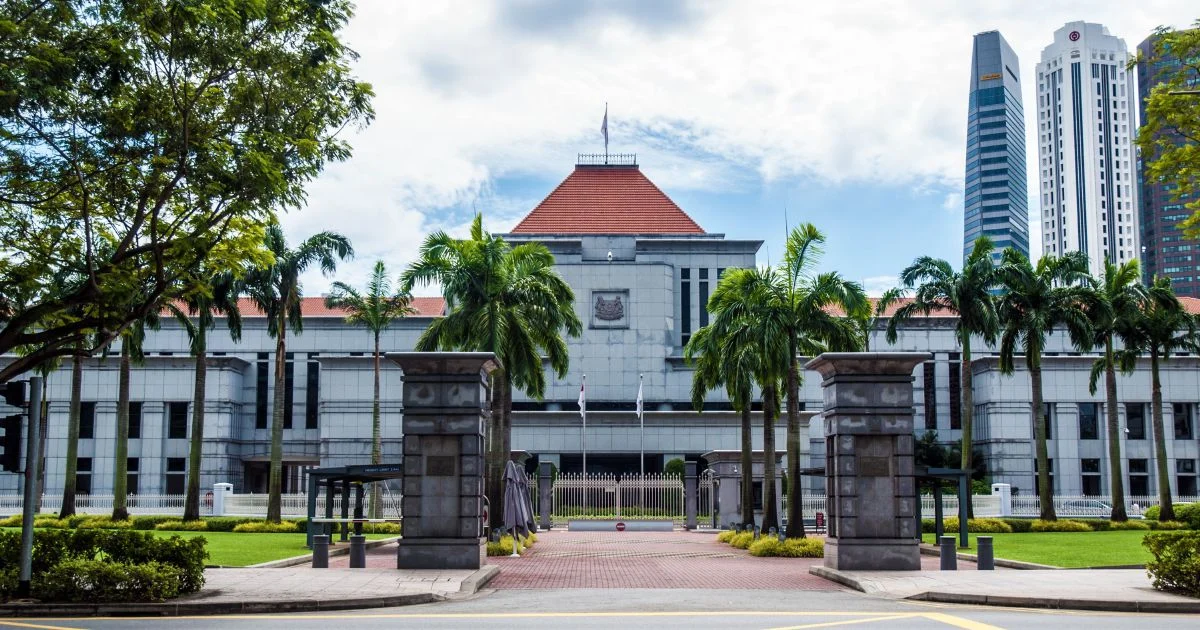
Singapore police have apprehended a 40-year-old man in connection with anonymous bomb threats directed at two critical government facilities: Parliament House and the Home Team Science and Technology Agency office. The arrest reflects authorities' swift response to threats against institutions central to Singapore's governance and security infrastructure.
The allegations against the suspect involve his purported responsibility for making multiple threats of explosive devices at these sensitive locations. Such threats pose substantial risks to public safety and government operations, triggering immediate investigative action by Singapore's law enforcement. The decision to publicly announce the arrest underscores the seriousness with which authorities treat threats to parliamentary and national security institutions.
Parliament House serves as the seat of Singapore's legislature and remains among the nation's most symbolically important buildings. Similarly, the Home Team Science and Technology Agency, commonly known as HTX, plays a crucial role in supporting the internal security and law enforcement operations of Singapore's Ministry of Home Affairs. Threats targeting either facility represent potential disruptions to critical government functions and could necessitate expensive evacuations and enhanced security protocols.
The circumstances surrounding the threats and subsequent investigation remain partially undisclosed, as is typical with ongoing police inquiries in Singapore. However, the arrest itself suggests that investigators successfully traced the anonymous threats through digital or forensic means, demonstrating the investigative capabilities available to the Police's Cyber Crime Division and other relevant units. Such cases often involve analysis of communications records, electronic devices, or witness information to identify perpetrators.
Bomb threats constitute serious criminal offences under Singapore law, regardless of whether an actual explosive device exists. Perpetrators face substantial legal consequences including detention and court proceedings. The decision to prosecute sends a clear message to the public about the zero-tolerance approach Singapore maintains toward threats against government institutions and public safety.
For Malaysian readers and regional observers, this incident illustrates the heightened security environment across Southeast Asia's developed economies. Singapore, as a densely populated city-state with significant strategic importance, maintains vigilant monitoring of potential security threats. The rapid response and arrest demonstrate how modern law enforcement agencies leverage technology and investigative resources to address public safety emergencies.
The incident also highlights broader concerns about anonymous online threats affecting government institutions throughout the region. As digital communication becomes increasingly prevalent, law enforcement agencies across Southeast Asia face growing challenges in identifying and prosecuting individuals who leverage anonymity to make threats. Singapore's swift resolution in this case offers a model for investigative effectiveness, though it also raises questions about the methods employed in tracing anonymous communications.
The arrest comes amid ongoing discussions about cybersecurity and digital threats in Singapore and across Asia-Pacific nations. Government facilities worldwide have experienced increased threat levels in recent years, prompting investments in security technology and personnel. HTX's involvement in this case is particularly noteworthy given the agency's responsibility for developing and deploying technological solutions for law enforcement and national security purposes.
The timing and specific targeting of these two institutions may carry investigative significance, though authorities have not disclosed whether the threats appeared coordinated or displayed particular motives. Understanding the potential motivations behind such threats—whether ideological, personal grievance-based, or random—remains crucial for threat assessment and prevention of future incidents.
Singapore maintains some of the strictest security protocols in the world, particularly around government facilities and critical infrastructure. The authorities' ability to identify and arrest the suspect within what appears to be a relatively short timeframe reflects both the robustness of Singapore's investigative framework and the comprehensive nature of digital surveillance and forensic capabilities available to law enforcement agencies operating within the city-state's compact geography.
The case underscores the importance of public cooperation with authorities in security matters. If members of the public have information about threats or suspicious activities, law enforcement agencies throughout the region encourage reporting through official channels. In Singapore, the Police operate dedicated hotlines for security-related concerns, and citizens play a vital role in maintaining public safety through vigilance and cooperation with investigators.
As the case progresses through Singapore's legal system, further details may emerge regarding the nature of the threats, the suspect's background, and any additional charges that might be filed. The outcome will likely establish important legal precedent regarding anonymous threats against government institutions in the digital age.

