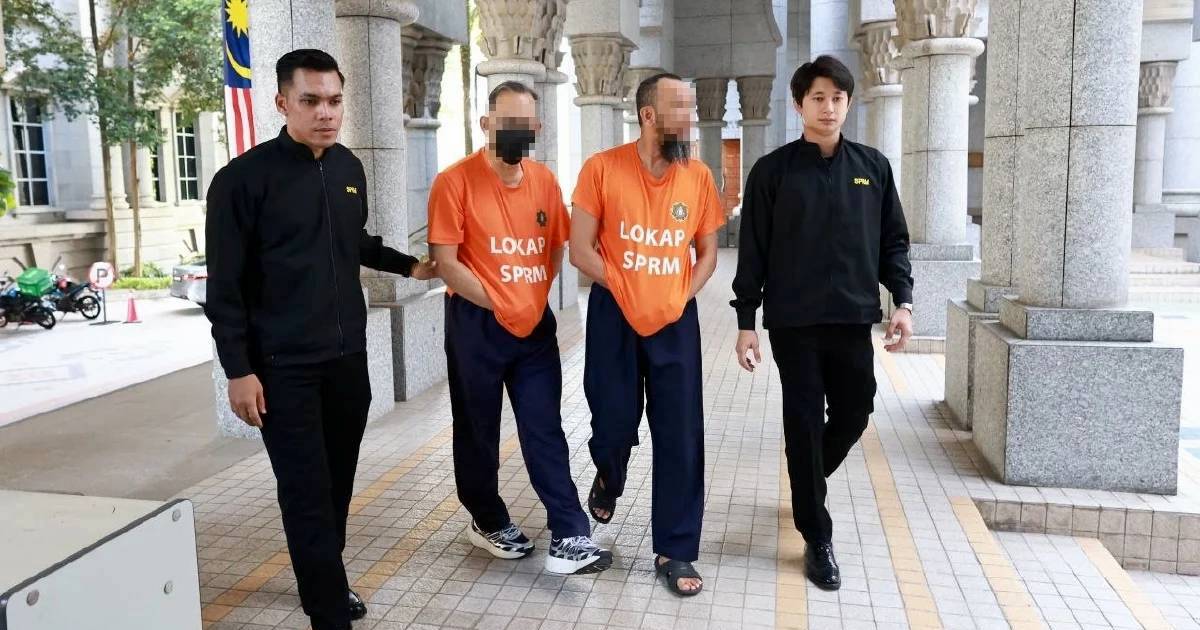
Seven individuals, including a Datuk-titled chief executive officer of a shipping enterprise, have been taken into custody by the Malaysian Anti-Corruption Commission (MACC) in connection with investigations stemming from the Tabung Haji (TH) Royal Commission of Inquiry (RCI). The detentions represent a significant escalation in the anti-corruption agency's efforts to pursue leads uncovered during the extensive public inquiry into the state pilgrimage fund.
The involvement of a high-ranking corporate executive signals that the MACC's investigation extends beyond the direct management and administration of Tabung Haji itself, suggesting potential connections to external business arrangements or contracts that may have involved the fund. The detention of board-level directors alongside the shipping CEO indicates that investigators are examining multiple layers of decision-making authority, a typical pattern when examining complex financial transactions or procurement dealings that required sign-off from multiple institutional levels.
Tabung Haji, Malaysia's state-owned pilgrimage fund managed by Lembaga Tabung Haji, serves as a savings and investment vehicle for Muslim Malaysians preparing for the Hajj pilgrimage to Mecca. As a fund managing billions of ringgit in accumulated savings from hundreds of thousands of contributors, governance failures or misappropriation within the institution carry profound implications for the livelihoods and religious aspirations of its members. The fund has faced mounting scrutiny over recent years regarding investment decisions, expenditure oversight, and administrative practices.
The Royal Commission of Inquiry into Tabung Haji, which concluded its public hearings and submitted findings to the government, appears to have identified specific transactions or business relationships warranting criminal investigation. Rather than allowing matters to rest with the RCI's recommendations, the government has empowered the MACC to translate the inquiry's conclusions into actionable enforcement. This approach reflects a demonstrated commitment to pursuing accountability through the country's corruption prevention machinery, though the effectiveness of such actions ultimately depends on prosecution outcomes.
The detention of individuals from the private shipping sector raises questions about the nature of contracts or business dealings between Tabung Haji and external commercial entities. Malaysian government-linked companies, particularly large funds managing public assets, frequently engage with private contractors for services ranging from logistics and transportation to consultancy and asset management. If the RCI identified irregular procurement processes, inflated contract values, or conflicts of interest in such arrangements, it would explain why both fund administrators and their private-sector counterparts face investigation simultaneously.
The timing and scale of these detentions suggest the MACC possessed sufficient preliminary evidence to justify custody orders, typically granted by courts based on investigative grounds. Malaysian law permits the MACC to detain individuals for questioning for specified periods renewable through court approval, a mechanism frequently deployed during active investigations into financial crimes. The agency's decision to move forward with simultaneous detentions of multiple suspects indicates coordinated enforcement action designed to prevent information destruction or suspect collusion during the investigation phase.
For Malaysian pilgrims and Tabung Haji contributors, these developments carry tangible implications. Fund subscribers have a legitimate interest in ensuring that their accumulated savings are deployed transparently and that administrative costs are minimised. Revelations of mismanagement or improper commercial dealings can erode public confidence in the institution, potentially affecting participation rates and the fund's financial viability. Conversely, visible enforcement action and accountability measures may help restore institutional credibility, though only if investigations lead to clear outcomes and meaningful reforms.
Regionally, the Tabung Haji investigation contributes to Malaysia's broader track record on corporate governance and anti-corruption enforcement. International observers assess countries partly through their handling of high-profile investigations into public fund mismanagement. Demonstrable commitment to investigating large institutions managed by politically connected individuals signals institutional independence and rule-of-law principles, factors that influence investor confidence and international standing. Conversely, if investigations appear selective or produce only symbolic outcomes, scepticism deepens regarding systemic reform.
The involvement of the shipping sector specifically reflects Malaysia's status as a major maritime nation with substantial commercial shipping interests. The sector's interconnections with government procurement and state-linked enterprises create obvious potential for conflicts of interest or preferential contracting. Regulatory oversight of shipping contracts involving public funds remains an area where governance frameworks continue to evolve, particularly regarding competitive tendering processes and conflict-of-interest management.
As the MACC investigations proceed, attention will focus on whether the agency can translate its enforcement authority into prosecutions that withstand judicial scrutiny. Malaysian courts have previously heard major corruption cases, though conviction rates and sentence severity vary considerably. The complexity of cases involving large financial institutions, multiple defendants, and intricate commercial arrangements typically requires sustained investigative effort and sophisticated financial forensics. Whether these detentions yield charges will ultimately depend on the evidence consolidation process and prosecutors' assessment of case strength.
The broader institutional context matters significantly here. Tabung Haji operates within Malaysia's unique Islamic finance and pilgrimage management ecosystem, governed by specific legislation and religious considerations alongside standard corporate governance principles. Any reforms emerging from this investigation will need to balance financial efficiency, Shariah compliance requirements, and the specific needs of pilgrims and fund subscribers. How the MACC and relevant oversight bodies integrate these dimensions will shape the investigation's ultimate utility in strengthening institutional practices.
Stakeholders including current and prospective Tabung Haji contributors will monitor the investigation's progression closely. The fund's board has implemented various governance reforms in recent years, but the RCI's findings and subsequent enforcement actions suggest those measures proved insufficient. Whether additional structural changes, leadership transitions, or legislative amendments emerge from this investigation remains to be seen, but the detention of seven individuals indicates that accountability mechanisms are at least being deployed.

