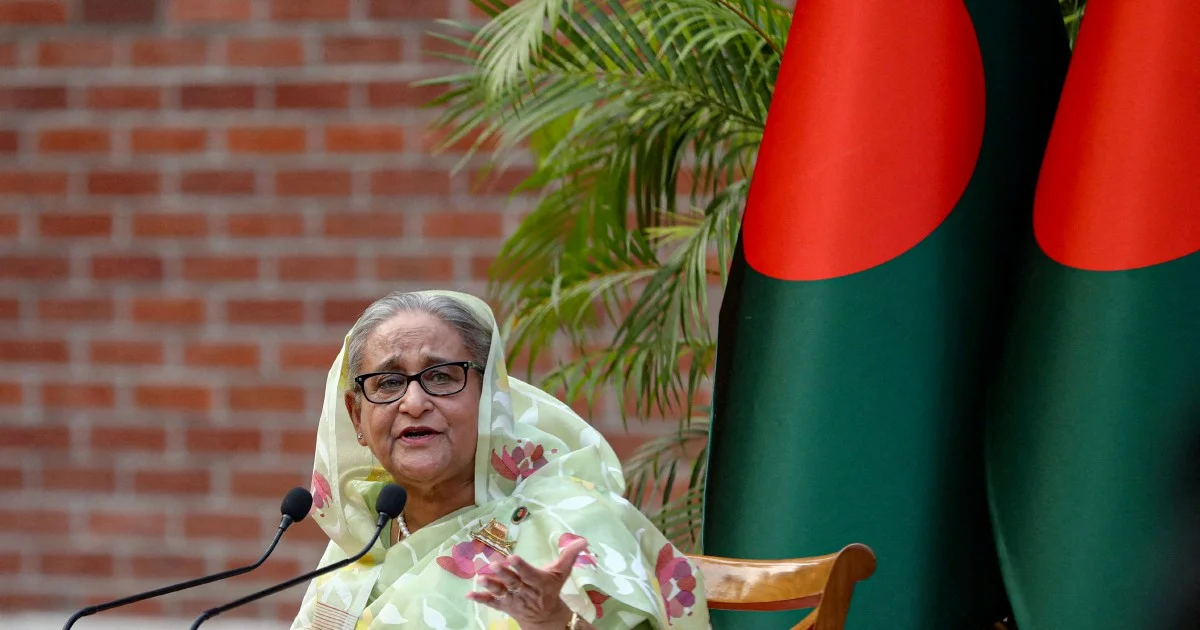
Bangladesh's interim administration has issued a stark warning that deposed Prime Minister Sheikh Hasina will face incarceration should she return from her current refuge in India. The pronouncement from a high-ranking government minister came mere days after Hasina herself told international media she was planning a homecoming in December, claiming she would willingly present herself before the courts. The declaration underscores the deepening divide between the ousted leader and the faction now governing the nation, signalling that any anticipated reconciliation remains highly unlikely.
Hasina fled Bangladesh in early August following widespread anti-government demonstrations that culminated in her resignation and departure to New Delhi. Her exit marked the culmination of mounting pressure from protest movements and a military-brokered interim government that has since taken control of state institutions. The circumstances surrounding her departure remain politically contentious, with her supporters characterizing her flight as necessitated by security threats, whilst her opponents view it as an acknowledgement of administrative failure and allegations of human rights violations during her tenure.
The threat of imprisonment represents a fundamental shift in Bangladesh's post-transition trajectory. Rather than pursuing a negotiated political settlement or transitional justice framework, the current administration appears to be consolidating power through confrontational posturing toward the previous leadership. This aggressive stance complicates regional dynamics, as India—where Hasina currently resides—has historically maintained close relations with Bangladesh and generally seeks stable, predictable governance in the neighbourhood. The government's warning therefore carries implications not merely for domestic politics but for broader South Asian diplomacy.
Hasina's willingness to discuss a voluntary return in her recent Reuters interview suggested possible openness to dialogue or negotiated terms with the interim administration. However, the ministerial warning effectively forecloses that pathway, indicating that the current leadership views her accountability through the criminal justice system as non-negotiable. This rigidity may reflect the strength of anti-Hasina sentiment among protest movements and civil society actors whose mobilization toppled her government, constraining any administrator's room for political compromise.
The legal fate awaiting Hasina remains uncertain, though multiple investigations into alleged administrative abuses, corruption, and human rights violations have been initiated since her departure. Protest movements have documented claims of enforced disappearances, extrajudicial killings, and arbitrary detention during her administration, allegations her supporters dispute as politically motivated exaggerations. Any court proceedings would therefore carry enormous symbolic weight in Bangladesh's broader reckoning with its recent political past and institutional accountability.
For Malaysian and Southeast Asian observers, the situation illuminates how fragile democratic transitions can become when previous leaders face criminal exposure without political settlement mechanisms in place. Bangladesh's experience suggests that without negotiated frameworks addressing past grievances and establishing constitutional safeguards, post-transition governments may pursue maximalist legal strategies that deepen polarization. The region has witnessed similar patterns in other countries, where unresolved tensions between competing factions periodically destabilize governance and institutional development.
India's positioning remains delicate, as harbouring an exiled political figure whilst managing relations with Bangladesh's transitional administration requires careful diplomatic calibration. New Delhi has maintained strategic interests in Bangladesh's stability and secular governance model, potentially creating tension between humanitarian considerations regarding Hasina's safety and bilateral relations with the interim government. This diplomatic complexity extends to how the international community engages with Bangladesh's transitional process and legitimacy questions surrounding the interim administration's mandate and constitutional foundation.
Hasina's potential return has become intimately connected with broader questions about Bangladesh's political future and institutional design. The interim administration must eventually transition power to elected representatives, a process that her continued absence and potential imprisonment could complicate significantly. Opposition forces loyal to her Bangladesh Awami League party might weaponize her legal persecution to mobilize supporters or challenge the transition's legitimacy, particularly if trials are perceived as politically motivated rather than based on substantive evidence.
The December timeline that Hasina referenced appears increasingly unrealistic given the ministerial warning's categorical nature. Instead, the coming months will likely see continued legal maneuvering, investigative proceedings, and diplomatic positioning by various actors attempting to shape Bangladesh's post-transition trajectory. The question of whether Hasina will ultimately risk return remains open, but the government's unequivocal stance suggests she faces genuine detention risks that outweigh any potential benefits from demonstrating cooperation with judicial processes.
For Bangladesh's international standing and regional relationships, this situation demands careful management. Extended legal proceedings against the previous administration, particularly if lacking transparent evidentiary standards or perceived as politically orchestrated, could damage the interim government's credibility with foreign observers and democratic institutions. Conversely, premature reconciliation might undermine accountability aspirations held by protest movements and civil society groups who sacrificed significantly to achieve governmental change. Navigating this balance will test Bangladesh's institutional maturity and the interim administration's commitment to rule-based governance principles.

