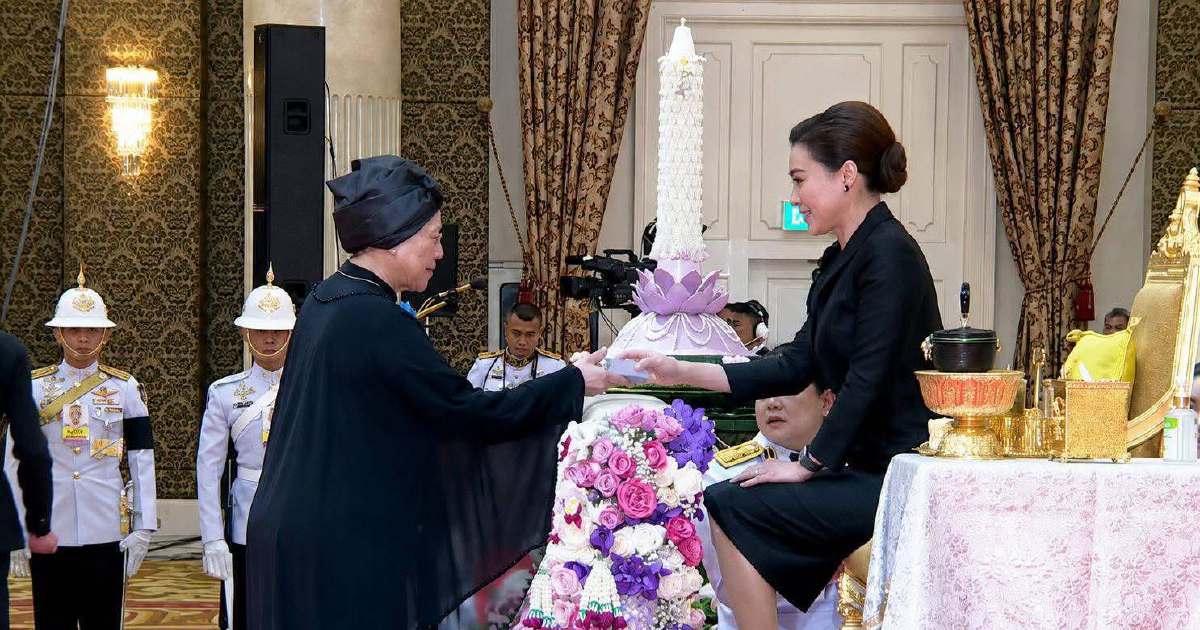
Prime Minister Datuk Seri Anwar Ibrahim has lauded the conferment of the Outstanding Woman Award for Social Development to Prof Emerita Tan Sri Datuk Seri Dr Sharifah Hapsah Syed Hasan Shahabudin, characterising the honour as a reflection of the broader contributions Malaysian women make to the nation's development agenda. The recognition, acknowledged alongside his wife Datuk Seri Dr Wan Azizah Wan Ismail at an event in Kuala Lumpur, signals the government's commitment to acknowledging female achievers across sectors critical to national progress.
The award to Sharifah Hapsah carries particular significance given Malaysia's ongoing efforts to integrate gender considerations into policy-making and institutional development. Her recognition at this juncture comes as the country grapples with competing priorities in social infrastructure, welfare systems, and community cohesion—domains where women have historically shouldered substantial responsibility, often with limited formal acknowledgment. By elevating her achievements, the government implicitly affirms that such contributions deserve greater visibility and institutional support.
Sharifah Hapsah's career trajectory embodies the kind of scholarly commitment to applied social science that remains underrepresented in Malaysia's public discourse. As a Professor Emerita, her engagement with social development frameworks suggests expertise in translating theoretical understanding into practical interventions. This distinction matters because Malaysian policymakers frequently struggle to bridge the gap between academic research and grassroots implementation, particularly in welfare and community development portfolios where demand consistently outpaces resources.
The timing of this award also reflects broader regional trends. Across Southeast Asia, governments are increasingly recognising that sustainable development requires deliberate inclusion of women's perspectives and leadership. Malaysia, as a middle-income nation with aspirations toward developed-economy status, faces pressure to demonstrate inclusive growth patterns. Awards honouring female contributors to social development function as both recognition and signal—to younger women in academia and civil society that pathways to influence and impact exist.
From a domestic perspective, the recognition arrives amid ongoing conversations about women's participation in Malaysia's labour market and professional hierarchies. Female labour force participation in the country has remained relatively static compared to regional peers, and underrepresentation persists in senior academic and administrative roles. Publicising achievements of women like Sharifah Hapsah serves to counteract narrative invisibility and potentially inspire greater ambition among emerging female professionals.
The involvement of Datuk Seri Dr Wan Azizah Wan Ismail in the acknowledgment carries additional weight. As a prominent political figure and medical professional in her own right, her presence underscores the multi-generational nature of women's contributions to Malaysian life. This juxtaposition of different career paths—academia and politics, health and social policy—illustrates the diversity of platforms from which Malaysian women shape national direction.
Social development as a policy domain has gained prominence in Malaysia's recent governance discourse, particularly following the economic disruptions of recent years. Issues including poverty alleviation, mental health support, elderly care, and community resilience have moved higher on the political agenda. Women have consistently been central to efforts addressing these challenges, whether through formal roles in government agencies, positions within NGOs, or informal leadership within communities. Sharifah Hapsah's recognition implicitly validates this labour and signals that future resource allocation should reflect such priorities.
The award also merits consideration within Malaysia's broader human capital development strategy. The country has repeatedly identified education and social cohesion as essential pillars supporting transition toward higher-value economic activity. Women educators, researchers, and administrators play pivotal roles in both domains. Recognition of exceptional contributions helps construct narratives of possibility and excellence that can motivate institutional reform and investment in women's professional development.
Looking forward, the practical implications of such recognitions depend partly on whether they translate into tangible institutional support for women's advancement. Awards function most effectively when coupled with concrete measures—mentorship programmes, research funding initiatives, or leadership development schemes—that enable subsequent generations of women to build on predecessors' achievements. Malaysian policymakers might usefully consider whether today's honours presage expanded investment in such infrastructure.
The recognition of Sharifah Hapsah's work represents a modest but meaningful step in ensuring Malaysian women's contributions to social progress receive appropriate acknowledgment. However, sustained advancement requires moving beyond periodic awards toward systemic changes that embed gender considerations throughout policy development, institutional leadership, and resource allocation. The challenge for Malaysia lies in converting individual recognition into collective institutional commitment.

