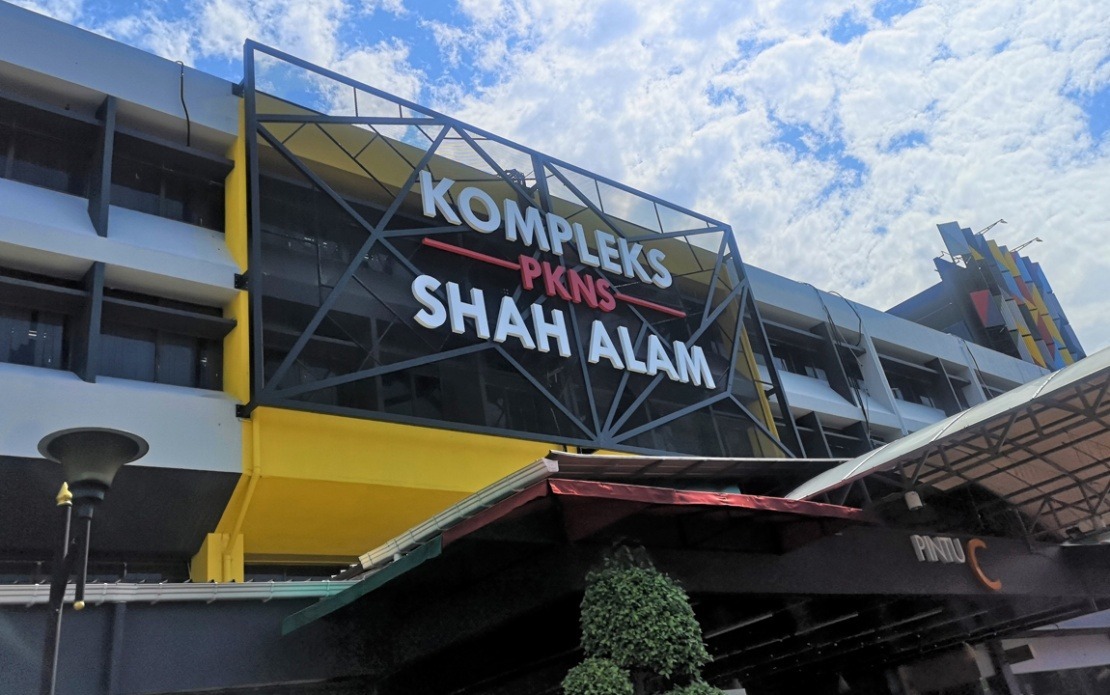
The Selangor State Development Corporation (PKNS) reopened its Shah Alam complex on July 3 after a fire incident the previous afternoon, confirming that all mandated safety requirements and inspection protocols had been successfully fulfilled. The complex, a significant commercial and administrative hub in the state capital, returned to full operations once facility management teams verified the premises met necessary safety standards following the emergency response.
According to PKNS management, the fire originated within an Air Cooled Package Unit (ACPU) panel located inside an Air Handling Unit (AHU) room on the building's first floor. Preliminary investigations by the building's facility management team identified this component as the source, though the Fire and Rescue Department continues its more comprehensive investigation to determine the precise cause and contributing factors. The discovery of the fire's origin point within the mechanical cooling system underscores the importance of regular maintenance schedules for such critical building infrastructure, particularly in Malaysia's tropical climate where air-conditioning systems operate under constant strain.
The incident triggered an immediate response following the corporation's established emergency protocols. Facility managers activated the building's emergency procedures, initiating an evacuation of Phase 1 through the public address system to ensure all occupants reached safety in an orderly manner. As a precautionary measure, electricity supply and air-conditioning systems serving the affected area were shut down to prevent any escalation of the fire and to support firefighting efforts. This swift action reflected PKNS's commitment to prioritizing the safety of the complex's visitors, commercial tenants, and workforce.
The Selangor Fire and Rescue Department demonstrated rapid response capabilities, successfully containing the blaze within a short timeframe before it could extend to adjacent sections of the building. The department's effective intervention prevented what could have been a more extensive structural incident affecting multiple floors and compartments. Ashrul Riezal Asbar, Assistant Director of Operations for the Selangor Fire and Rescue Department, confirmed that the fire had been brought under control and that no casualties resulted from the incident—a positive outcome reflecting both the emergency preparedness of the complex's management and the professionalism of the responding firefighting personnel.
The Shah Alam PKNS Complex serves as a critical business address for numerous companies and government-related agencies throughout Selangor. The temporary closure, while brief, would have caused operational disruptions for tenants relying on the facility for their commercial activities. The swift completion of safety inspections and the resumption of normal operations within 24 hours minimized disruption to the business community and demonstrated PKNS's ability to balance thorough safety verification with practical operational needs.
The incident highlights broader considerations regarding building safety standards and maintenance protocols in Malaysia's commercial real estate sector. Air handling and cooling systems are essential components of modern office environments, yet their mechanical complexity and continuous operation patterns create potential fire risks if not properly maintained. The incident at the PKNS complex serves as a reminder to facility managers across Malaysia's commercial landscape regarding the necessity of regular preventive maintenance schedules, staff training in emergency procedures, and routine safety inspections.
While the immediate crisis has been contained and normal operations restored, the ongoing investigation by the Fire and Rescue Department will likely provide valuable insights into how such incidents can be prevented in future. The findings may inform recommendations for enhanced maintenance protocols, upgraded fire detection systems, or revised inspection schedules for similar installations across other commercial properties in Selangor and throughout the region. Lessons learned from this incident will contribute to continuous improvement in building safety standards.
For the broader Malaysian business community, the incident underscores the importance of robust business continuity planning and comprehensive insurance coverage. Commercial tenants operating within complex shared facilities must ensure their own emergency protocols align with building-wide procedures and that they maintain adequate coverage for unexpected operational disruptions. The PKNS complex incident demonstrates that even well-managed facilities can experience emergencies, making preparedness essential for any organization.
The quick resolution of this situation reflects positively on PKNS's management competency and safety culture. The corporation's transparent communication about the incident, swift activation of emergency procedures, and prompt completion of safety verifications before reopening built confidence among the complex's stakeholders. This approach contrasts with scenarios where facility managers delay reopening until forced by regulatory authorities, instead demonstrating proactive commitment to safety standards that exceed minimum legal requirements.

