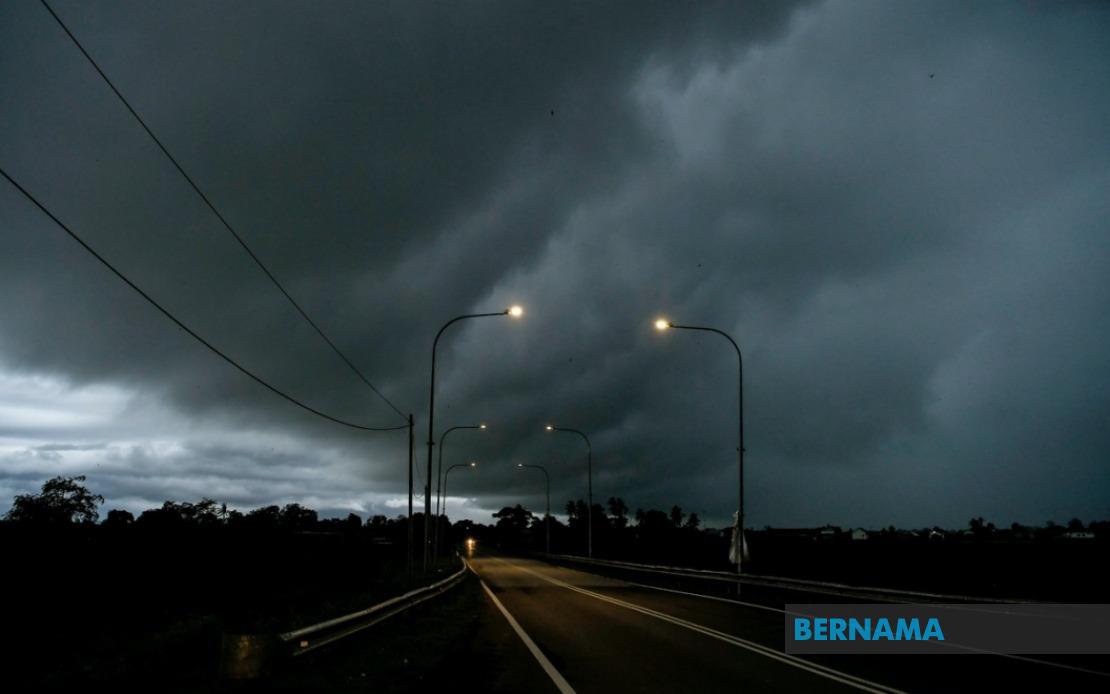
Residents across seven Malaysian states have been advised to prepare for dangerous weather conditions as the Malaysian Meteorological Department (MetMalaysia) issued an urgent alert for thunderstorms, heavy rain and strong winds expected to persist until 9 pm today. The warning encompasses multiple districts across Peninsular Malaysia, Sarawak and Sabah, prompting authorities to urge the public to exercise caution and take necessary precautions.
On the peninsula's west coast, the affected regions include three districts in Perak: Larut, Matang and Selama, along with Kuala Kangsar and Kinta. Residents in these areas, which span from the northern reaches down towards the central regions of the state, should remain alert for rapidly deteriorating weather and potential flash flooding in low-lying areas. The warning reflects typical weather patterns for this period of the year, when monsoon influences can generate significant atmospheric instability.
Kelantan faces threats across three vulnerable zones—Jeli, Kuala Krai and Gua Musang—areas that are particularly susceptible to rapid water accumulation given their topography and drainage patterns. Neighbouring Terengganu's Kemaman district also appears in the alert, whilst Pahang experiences coverage across Lipis and Jerantut. These east coast territories frequently experience severe weather during transitional monsoon periods, and the forecast represents a significant weather development requiring community vigilance.
Johor's southern districts of Kulai, Kota Tinggi and Johor Bahru round out the peninsular coverage. The inclusion of Johor Bahru, a densely populated metropolitan region, carries particular significance for traffic management and urban infrastructure. Authorities typically activate drainage systems and traffic diversions when such alerts materialize in this economically vital area.
Sarawak's involvement encompasses a broad geographical spread, with warnings issued for Kuching and Samarahan in the southwest, followed by Kanowit in the central Sibu division, and Tatau and Sebauh further north in Bintulu. The eastern region of Lawas in Limbang division completes Sarawak's affected areas. This distribution suggests a widespread weather system affecting the entire state, potentially disrupting river transport and commercial activities that depend on stable conditions.
Sabah's alert zone covers interior and coastal regions, including Sipitang in the Interior division and a cluster of eastern districts comprising Telupid, Kinabatangan, Beluran and Sandakan under the Sandakan division. These areas, which include major ports and economic centres, warrant heightened preparedness given their regional importance and vulnerability to flooding.
The meteorological warning specifically highlights three concurrent hazards: thunderstorms capable of producing lightning strikes, heavy precipitation that could overwhelm drainage infrastructure, and strong winds that pose risks to outdoor structures and transportation. Such multi-layered weather threats require coordinated responses from emergency services, utility providers and local authorities throughout the affected regions.
For Malaysian travellers and residents, this alert underscores the importance of monitoring official weather updates throughout the afternoon and evening hours. The specific timing until 9 pm suggests the system may persist through the evening commute, potentially impacting transportation networks and outdoor activities. Commuters should anticipate delays and exercise extra caution on roads, whilst those in flood-prone areas should consider relocating to higher ground preemptively.
The geographical spread of this alert—spanning the peninsula's east and west coasts, plus East Malaysia—indicates a significant weather system rather than localized conditions. Such widespread simultaneous alerts are typically issued during strong monsoon phases or unusual atmospheric configurations that generate instability across multiple regions. The pattern suggests residents should take these warnings seriously rather than dismiss them as routine seasonal forecasts.
Businesses, particularly those in retail, construction and outdoor services, should prepare contingency plans for operations disruption. Schools and public institutions in affected areas may need to adjust closing times or transport arrangements. The fishing and maritime industries throughout the region would be especially concerned, as strong winds and heavy rain typically render coastal and river operations unsafe during such warnings.
MetMalaysia's decision to issue simultaneous warnings across such diverse geographical zones demonstrates the scale of atmospheric disturbance expected. The agency typically calibrates alert levels based on rainfall predictions, wind speed forecasts and storm intensity modelling, suggesting conditions warrant this elevated advisory status across all seven affected states.

