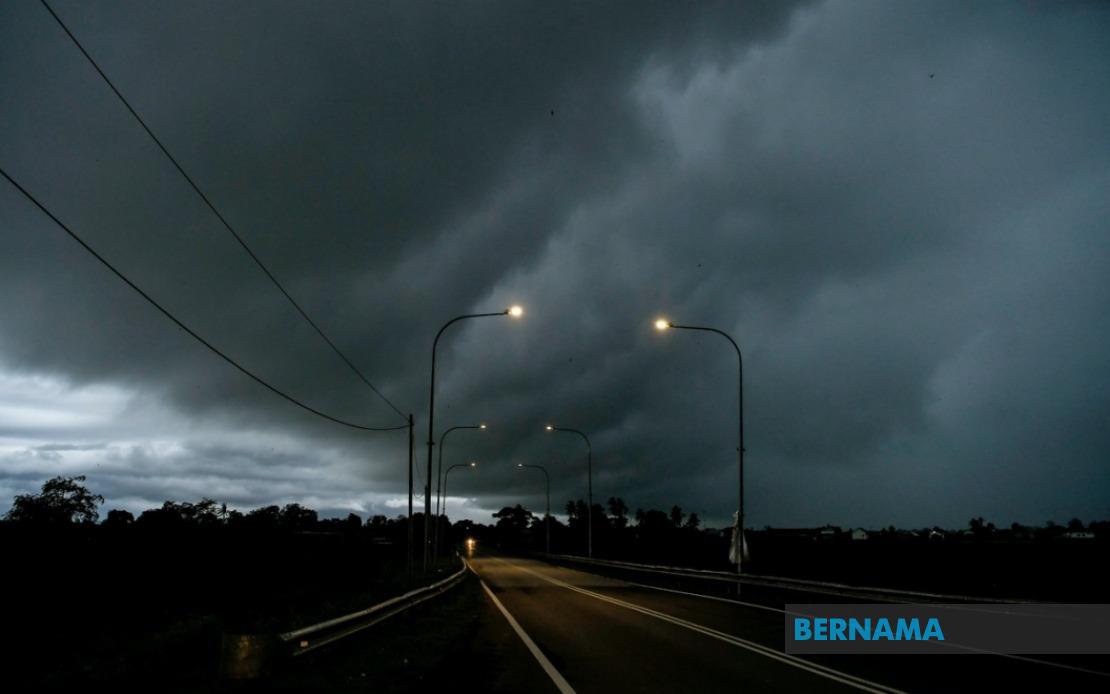
Malaysia's weather authorities have activated a widespread severe weather alert affecting significant population centres and rural areas across the nation. The Malaysian Meteorological Department has issued a thunderstorm warning spanning nine states alongside the federal territories of Kuala Lumpur and Putrajaya, with conditions expected to remain hazardous until 6 pm. The alert encompasses intense rainfall, powerful wind gusts and lightning activity capable of disrupting transportation, utilities and outdoor activities across the affected zones.
The warning covers an expansive geographic footprint stretching from Peninsular Malaysia into East Malaysia. Within Peninsular Malaysia, the alert encompasses Johor, Negeri Sembilan, and significant portions of Perak including the highland districts of Hulu Perak and the western lowlands through Hilir Perak and Batang Padang. The Klang Valley region is directly impacted, with alerts issued for Kuala Lumpur, Putrajaya and multiple Selangor districts including the densely populated areas of Gombak, Petaling and Hulu Langat, as well as the suburban and industrial zones of Sabak Bernam and Sepang.
The East Coast of Peninsular Malaysia faces particularly intense conditions, with forecasters warning residents across Kelantan, Terengganu and Pahang to exercise heightened caution. Within Kelantan, the affected districts span from the coastal areas of Tumpat and Pasir Mas inland through Tanah Merah, Kuala Krai and the remote Gua Musang region. Terengganu residents from the northeastern coastal belt including Setiu and Kuala Nerus through to the southern districts of Kemaman and Dungun should remain alert. Pahang, the nation's largest peninsula state, faces warnings across its diverse terrain from the Cameron Highlands plateau through the mineral-rich Bentong area and down to the populous Kuantan district and surrounding zones.
Sarawak's extensive territory has also been placed under alert, with warnings affecting both developed urban centres and remote interior regions. The state capital Kuching faces conditions alongside secondary centres including Sibu and the developing coastal towns of Mukah, Bintulu and Miri. Interior districts have not been spared, with warnings extending into Kapit and Limbang. The geographic spread within Sarawak underscores the scale of the atmospheric disturbance, affecting areas separated by hundreds of kilometres and ranging from sea-level ports to inland riverine communities.
Sabah similarly experiences widespread coverage under the weather alert. The alert encompasses three distinct geographic zones within the state: the interior highlands including Sipitang, Tenom, Beaufort and Keningau; the densely populated west coast corridor from Papar through Penampang to the capital Kota Kinabalu and extending northward through Tuaran and Ranau; and the eastern Sandakan division encompassing the coastal city and inland districts. This threefold distribution indicates that the weather system affecting Malaysian airspace possesses considerable spatial extent and intensity across Borneo.
Thunderstorms accompanied by heavy precipitation pose multiple hazards for affected communities. Rapid surface runoff from intense rainfall can trigger flash flooding in low-lying areas and river valleys, particularly concerning in urbanised zones where drainage infrastructure may become overwhelmed. The strong wind component of these systems presents dangers to structures, vegetation and outdoor objects, while lightning activity creates hazards for anyone remaining outdoors during peak storm intensity. Visibility reduction from heavy rain disrupts transportation networks, potentially affecting both vehicular traffic on roadways and operations at regional airports.
The temporal specificity of the warning—confined to the daylight hours until 6 pm—suggests forecasters expect the system to weaken or shift as evening approaches, though residents should remain attentive to any updated guidance. Weather systems in Malaysia during monsoon-influenced periods can occasionally extend their impacts beyond initial projections or spawn secondary activity, necessitating continued monitoring of official meteorological updates. Residents and organisations within the alert zones are advised to secure loose outdoor items, avoid unnecessary travel during peak storm hours and remain indoors when thunderstorms pass overhead.
For economic sectors dependent on weather stability, the alert carries immediate implications. The construction industry, outdoor event organisers, agricultural operations and port facilities across the affected areas face potential disruption. Transportation-dependent businesses, including logistics and tourism operations, must prepare contingency planning. The alert's broad geographic coverage means that spillover effects may impact supply chains and commercial activity even in adjacent unaffected regions if key transport nodes experience congestion or temporary closures.
The Malaysian Meteorological Department continues to monitor atmospheric conditions, and residents throughout the alert zones are encouraged to maintain awareness of official announcements and heed safety recommendations issued by local authorities. Weather conditions across Malaysia remain dynamic during this season, and the agency maintains capacity to issue additional alerts or modify existing warnings should the situation warrant escalation or geographic expansion.

