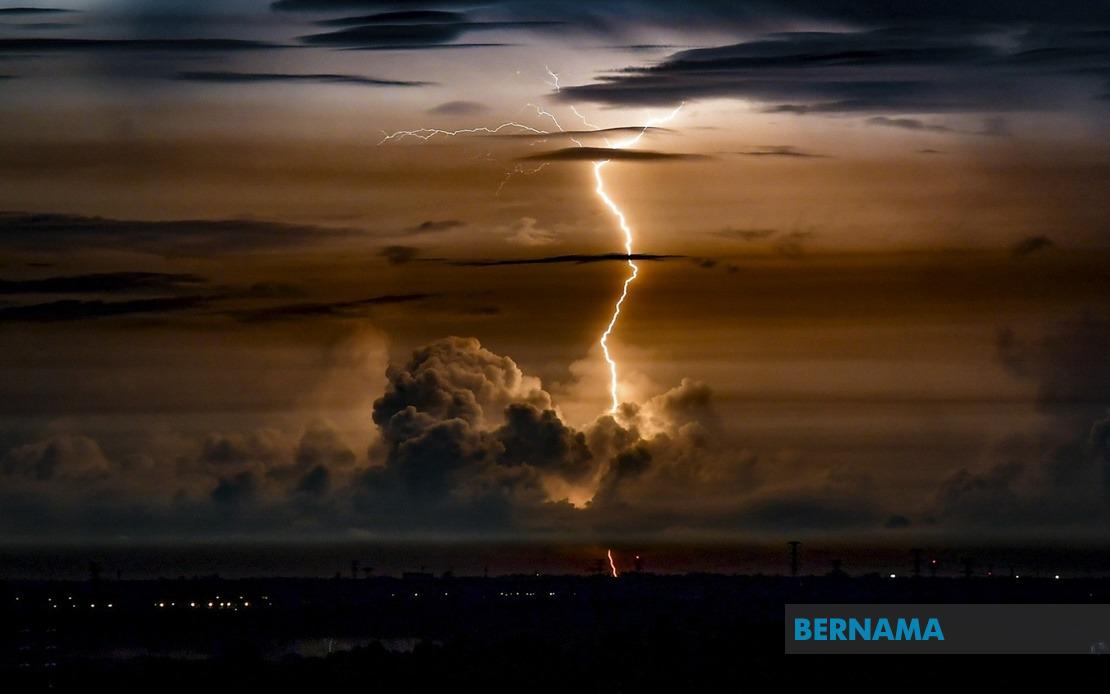
Malaysia's Meteorological Department has activated a nationwide alert for severe weather conditions affecting multiple regions across the peninsula. The warning encompasses seven states experiencing unstable atmospheric conditions that are expected to persist until 9 pm, with meteorologists cautioning residents to remain vigilant during this high-risk period for flooding and wind damage.
The affected areas span a significant geographical arc across the nation. In the northern region, four districts within Perak have been identified as particularly vulnerable: Bagan Datuk, Muallim, Hilir Perak, and Batang Padang. The east coast states of Terengganu and Pahang face the full brunt of the warning, reflecting typical weather patterns during monsoon transitions when moisture-laden winds converge over these states. In the southern peninsula, Johor's coastal district of Mersing falls under the alert, suggesting maritime weather systems are combining with inland pressure patterns to create hazardous conditions.
The central region is equally exposed to the forecasted tempest. Within Selangor, five districts have been flagged as requiring heightened preparation: Sepang, Klang, Sabak Bernam, Kuala Selangor, and Kuala Langat. These densely populated areas serve as major economic and administrative hubs for the nation, and severe weather could disrupt transport networks, business operations, and utility services affecting millions of residents. Negeri Sembilan's Rembau district and Port Dickson, which straddles the state's coast, are similarly placed under warning status, while in Melaka, the districts of Alor Gajah and Melaka Tengah have been included in the alert.
The warning explicitly cites three primary hazards facing these regions simultaneously. Thunderstorms bring the dual threat of lightning strikes and sudden localized flooding, particularly in low-lying areas and drainage-prone zones. Heavy rainfall in the quantities anticipated by MetMalaysia can overwhelm urban stormwater systems, leading to flash flooding in vulnerable communities and posing serious risks to motorists. Strong winds accompanying these storms can topple trees, damage structures, and create dangerous debris that endangers people and property. The combination of these three elements escalates the overall risk profile substantially beyond what would be expected from any single weather phenomenon.
Such weather alerts carry particular significance for Malaysia during certain seasons when atmospheric instability peaks. While monsoons are generally predictable, the precise timing and intensity of individual storm systems can vary considerably, making timely meteorological warnings essential for disaster preparedness. The geographic spread of this alert indicates a broad-based disturbance affecting weather patterns across multiple regions simultaneously, rather than localized isolated thunderstorms. This systemic nature suggests a larger weather system is driving conditions, potentially related to shifting pressure systems or wind convergence patterns typical of seasonal transitions.
For residents in these areas, the evening hours represent the critical window requiring heightened caution. MetMalaysia's specific 9 pm timeline provides a clear reference point for when conditions are expected to stabilize, though this remains a meteorological estimate subject to atmospheric variability. Households should ensure adequate drainage around properties, secure loose outdoor items that might become wind-borne hazards, and prepare emergency supplies in case of sudden flooding or power disruptions. Parents should exercise extra vigilance with children during outdoor activities, and motorists should consider delaying non-essential travel until conditions improve.
The states affected represent economically and demographically significant portions of Malaysia. The Selangor and Negeri Sembilan regions contribute substantially to national GDP through manufacturing, services, and commerce. Any disruption to transport corridors, particularly the highways connecting these states, could have ripple effects across regional supply chains and business continuity. Industrial facilities and commercial establishments in these areas must activate contingency protocols to protect operations, inventory, and personnel during the weather window.
For Southeast Asian context, similar tropical weather patterns affect neighboring countries during comparable seasonal windows. The region's vulnerability to sudden severe weather is a structural challenge requiring coordination between national meteorological services and regional warning systems. Malaysia's MetMalaysia represents one of the region's more advanced weather forecasting capabilities, and its alerts serve as a model for public communication during meteorological emergencies. The specificity of district-level warnings demonstrates institutional sophistication in translating raw meteorological data into actionable intelligence for local authorities and residents.
The electrical hazards posed by thunderstorms demand particular attention in regions with aging power infrastructure or areas prone to outages during weather events. MetMalaysia's warnings enable utility companies to pre-position maintenance crews and mobilize rapid response teams to address storm-related damage. Schools, hospitals, and critical infrastructure facilities can implement contingency protocols to maintain essential services despite potential disruptions. Public transportation operators similarly benefit from advance warning, allowing them to modify schedules or suspend operations on routes experiencing the worst conditions.
As evening approaches in these seven states, the meteorological forecast should be considered a call to collective preparedness rather than a cause for panic. Historical data from Malaysia's weather records demonstrates that such warnings have successfully reduced casualty rates during severe weather events by enabling advance precautions. Residents who heed MetMalaysia's guidance by securing properties, avoiding unnecessary outdoor exposure, and remaining informed through official channels substantially reduce their vulnerability to the hazards associated with thunderstorms, heavy rain, and strong winds.

