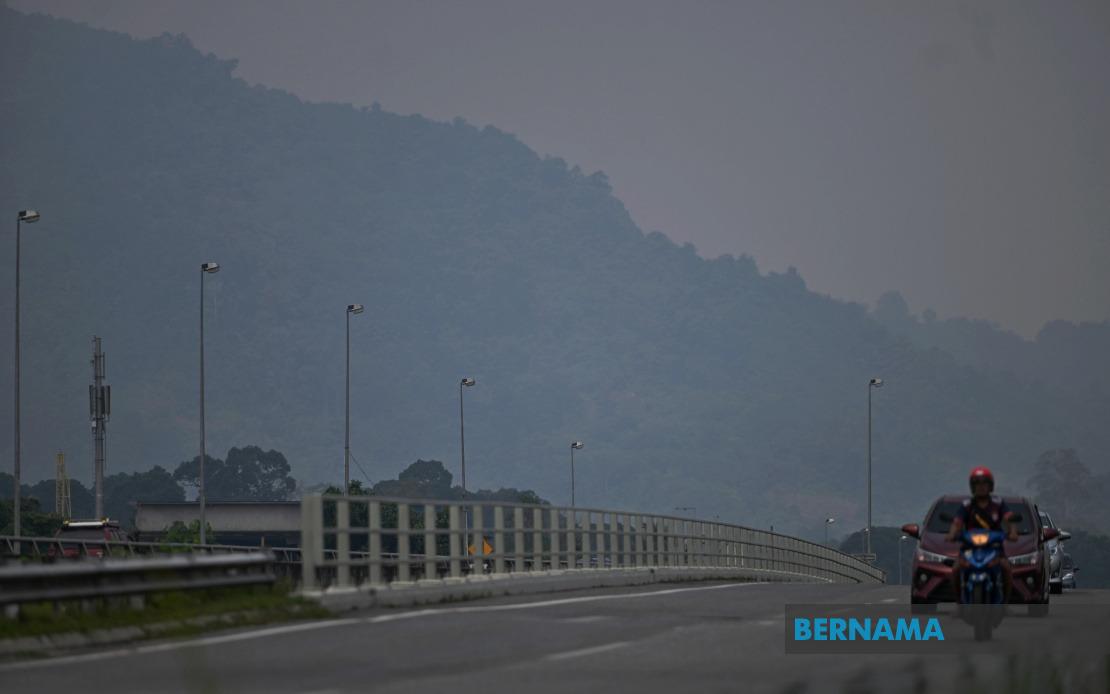
Sarawak is grappling with a significant air quality crisis as smoke from regional hotspots continues to drift across the state's border. The Department of Environment confirmed on August 21 that Serian has become the pollution hotspot, with an Air Pollution Index reading of 227 recorded at 2 pm—firmly in the "very unhealthy" category that poses serious risks to vulnerable populations including children, the elderly, and those with respiratory conditions. This reading underscores the urgency of the haze situation unfolding across Malaysian Borneo and the broader Southeast Asian region.
Nine additional locations across Sarawak have reported unhealthy API levels, painting a picture of widespread atmospheric degradation. Sri Aman registered the second-highest reading at 187, while Kuching, the state capital and economic hub, measured 176. The coastal and riverine towns of Samarahan, Sarikei, and Sibu reported readings of 175, 174, and 157 respectively. Industrial zones including Bintulu and Samalaju both reached 154, matching each other in pollution intensity. Kapit and Mukah, situated further inland and downriver, recorded 130—the lowest of the affected areas but still categorised as unhealthy for sensitive groups. The geographic spread of these readings indicates that no part of Sarawak has escaped the haze's reach.
The deteriorating conditions stem from a combination of factors documented by regional monitoring authorities. The ASEAN Specialised Meteorological Centre's report from August 20 identified 288 hotspots concentrated in Kalimantan, with an additional 53 detected in Sumatra and just two in Malaysia—one in Sarawak itself and another in Terengganu. These fire sources, likely from both agricultural burning and uncontrolled land clearing operations, generate vast quantities of smoke that transcend national boundaries with ease. The sheer concentration of hotspots in Indonesian Kalimantan, particularly in the western regions, establishes this as the primary culprit behind Sarawak's current air quality emergency.
Metereological patterns have created ideal conditions for transboundary smoke transport. While much of the southern ASEAN region maintained relatively dry conditions on August 21, the northern sections of Borneo and Sumatra escaped rainfall, allowing smoke plumes to persist and travel. The ASEAN Specialised Meteorological Centre's regional haze map documented moderate to dense smoke plumes originating from West Kalimantan and advancing northwards into western Sarawak—precisely the trajectory that explains why coastal and western towns like Kuching and Serian have suffered the worst air quality. The absence of wind patterns that might disperse the smoke has allowed pollutants to accumulate at ground level, intensifying their health impacts.
For Malaysian readers, the implications of this crisis extend beyond immediate respiratory concerns. Sarawak's economy depends substantially on tourism, agriculture, and resource extraction—all sectors vulnerable to prolonged poor air quality. Schools may face pressure to suspend outdoor activities or shift to remote learning if conditions worsen. The logging and plantation industries, which operate extensively in the state's interior regions, may experience reduced visibility and operational disruptions. Hospitals and clinics anticipate increased patient loads from haze-related ailments, stretching healthcare resources during what may become a protracted regional event.
The transboundary nature of the crisis highlights a persistent challenge in Southeast Asian environmental governance. Indonesia's struggle to control burning practices in Kalimantan—whether through agricultural burning seasons or land preparation for palm oil plantations—directly victimises Malaysian citizens hundreds of kilometres away. Previous haze episodes have demonstrated that unilateral action by any single country proves insufficient; coordinated regional responses remain elusive despite repeated diplomatic engagements. Malaysia's Department of Environment can monitor and report, but cannot effectively address the source problem without stronger Indonesian enforcement and commitment.
In response to the emergency, the Malaysian Department of Environment has activated both the National Open Burning Action Plan and the National Haze Action Plan, coordinating responses across government agencies. Deputy Director-General Azuri Azizah Saedon stated that enforcement efforts and daily patrols have intensified in areas with potential for open burning, demonstrating domestic commitment to preventing any local contribution to the crisis. However, these domestic measures address only a fraction of the problem when regional sources dominate the atmospheric pollution equation.
Public awareness and individual action remain critical components of the response strategy. The Department of Environment has appealed to the public to refrain from any open burning activities, no matter how small, which could compound existing air quality problems. Citizens are encouraged to report suspected burning incidents to the Fire and Rescue Department at 999 or to the Department of Environment's hotline at 1-800-88-2727. These channels enable rapid response to localised fire sources, even if they cannot touch the larger Indonesian problem.
For vulnerable populations in affected areas, immediate precautions are essential. Those with asthma, chronic obstructive pulmonary disease, and cardiovascular conditions should consider remaining indoors during peak pollution hours and ensuring adequate supplies of prescribed medications. Children and elderly persons face elevated health risks and warrant particular attention from families and caregivers. Schools and workplaces in heavily affected zones like Serian and Sri Aman may need to implement health protocols or modify schedules to minimise exposure. The persistence of very unhealthy readings suggests this crisis will not resolve overnight, demanding sustained vigilance rather than brief alarm.
Looking ahead, the trajectory of this haze event depends partly on weather patterns beyond human control—rainfall and wind shifts could provide relief—but also on the continuation of agricultural burning practices in Indonesia. Historical data suggests that without intervention, similar episodes will recur during dry seasons. For Malaysia, particularly for Sarawak's residents enduring Serian's hazardous conditions, this crisis serves as a stark reminder of regional interdependence and the limits of unilateral environmental protection efforts. Diplomatic pressure on Indonesian authorities to strengthen fire prevention measures remains as important as domestic monitoring and public education in mitigating future transboundary air quality disasters.

