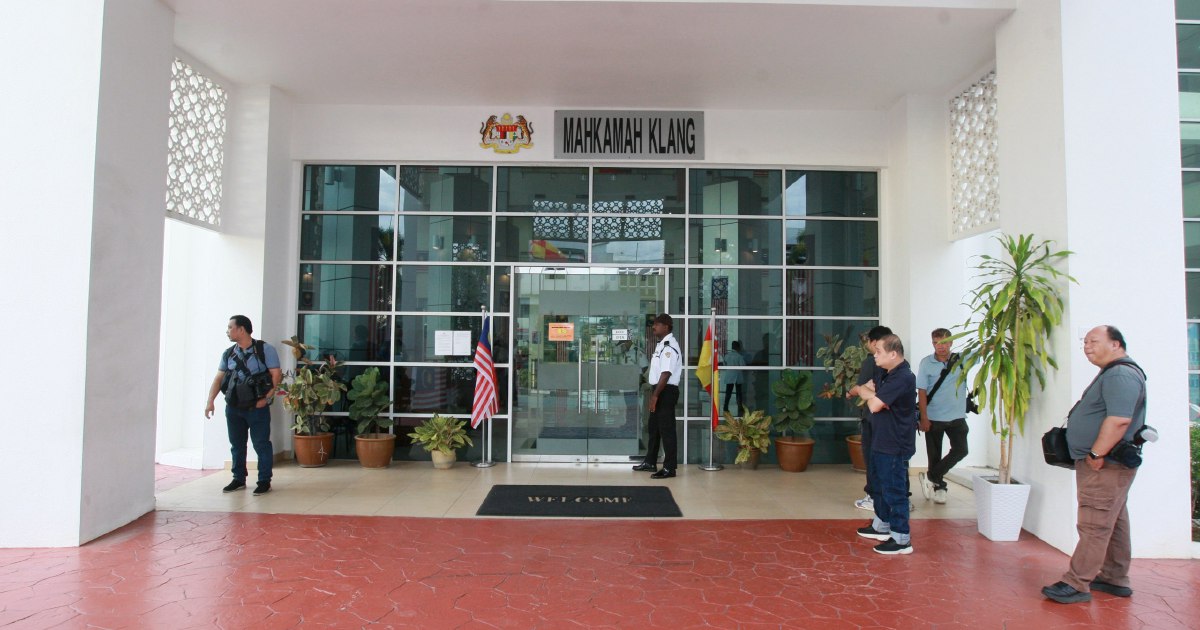
The morning atmosphere outside Klang Sessions Court remained subdued as proceedings began in a case that has captured significant public attention across Malaysia. A 24-year-old man was scheduled to face charges in connection with the death of a dog named Rocky, marking a critical juncture in an incident that has generated considerable debate about animal welfare and justice.
The relative calm at the courthouse entrance presented a stark contrast to the emotional intensity surrounding the case itself. While the precise circumstances leading to Rocky's death have been subject to investigation, the matter has resonated deeply with Malaysian animal lovers and advocacy groups who have followed developments closely. The court appearance represents the formal entry into the judicial process, where the allegations against the suspect will be formally presented before the magistrate.
The case touches on broader concerns within Malaysian society regarding the treatment and protection of animals. Recent years have witnessed growing awareness about animal rights and welfare issues, with social media amplifying public discourse on incidents involving animal harm. The Rocky case exemplifies how individual incidents can mobilise community concern and demand accountability through the legal system, reflecting shifting societal attitudes toward responsible pet ownership and animal protection.
Clang Sessions Court, which handles more serious cases compared to magistrate courts, indicates the gravity with which authorities have approached the matter. The decision to pursue charges suggests that investigators concluded sufficient evidence exists to proceed to prosecution. Such judicial proceedings often unfold methodically, with multiple stages from initial charging through pre-trial conferences to eventual trial, each providing opportunities for legal arguments and evidence presentation.
For many Malaysians invested in animal welfare, the court proceedings represent vindication of their concerns and demands for justice. Animal advocacy groups have increasingly utilised available legal frameworks to pursue cases involving animal cruelty, viewing courts as venues where societal standards regarding human responsibility toward animals can be enforced and reinforced. The outcome of this case may influence how similar incidents are handled in future.
The quiet exterior of the courthouse belies the complex legal, social, and moral dimensions embedded in this case. Behind the courtroom doors, legal representatives will present arguments and evidence, with the bench required to interpret applicable laws and determine liability. The judicial system's handling of such cases sends important signals about societal expectations and the consequences of animal abuse.
Malaysia's legal framework includes provisions addressing animal cruelty, though enforcement and prosecution have historically varied. The pursuit of charges in Rocky's case reflects potentially greater willingness by authorities to invoke these protections. However, the effectiveness of legal deterrence depends on consistent application and proportionate penalties that genuinely discourage harmful conduct.
The case also highlights the evolving relationship between social media activism and traditional justice mechanisms. Public awareness and pressure often precede formal legal action, creating circumstances where the court proceedings themselves become forums for broader conversations about accountability and standards. The visibility surrounding this case may influence how similar incidents are reported and pursued in the future.
For the suspect, the charges represent the beginning of a legal defence process where evidence will be scrutinised and contested. Malaysian courts operate on principles requiring proof beyond reasonable doubt for criminal matters, protecting individuals against unfounded accusations while ensuring that genuine wrongdoing is appropriately penalised. The judicial process will determine both guilt and appropriate sanction.
The calm observed outside the courthouse this morning may continue as proceedings begin, though such cases frequently attract ongoing interest throughout their duration. For animal welfare advocates, this moment represents a critical test of whether Malaysia's legal system can effectively protect animals from harm and hold individuals accountable. The precedent set by this case's outcome will likely influence how similar incidents are approached by authorities and civil society moving forward.

