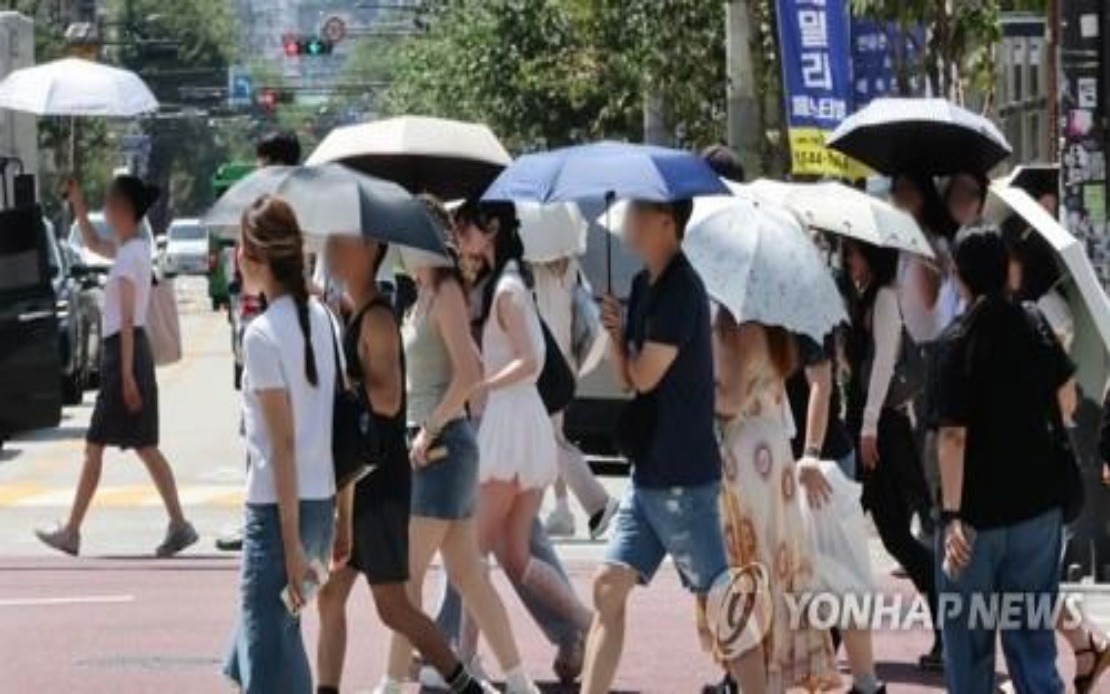
South Korea is enduring one of its most severe heat waves in recent memory, with temperatures in Seoul and other major cities surpassing the critical 40-degree Celsius mark on Friday. The Korea Meteorological Administration (KMA) confirmed that an automatic weather station in Seoul's northern Nowon ward registered 40.2°C at 3.28 pm, a concerning milestone that underscores the escalating intensity of extreme weather conditions affecting the peninsula. This represents the first occasion since August 1, 2018—when Seoul recorded 41.8°C—that the capital has experienced such dangerous heat levels, signalling a potentially alarming trend in the region's climate patterns.
The heat wave's impact extended well beyond Seoul's borders, affecting multiple population centres across the country simultaneously. Hanam's Deokpung district, located just southeast of the capital, reached 40.7°C at 2.32 pm, whilst Gwangyang, situated approximately 300 kilometres south of Seoul, recorded 40.2°C at 2.37 pm. These widespread readings demonstrate the geographic breadth of the current heat event, which has transformed conditions across the Korean peninsula into something approaching a public health emergency. Even areas typically considered cooler experienced near-critical temperatures, with Yeongweol in Gangwon Province and Yeoju in Gyeonggi Province both hitting 39.8°C during the afternoon peak.
The duration and severity of this heat episode have established themselves as statistically remarkable within South Korea's modern meteorological record. Between June 1 and Thursday, the nation experienced an average of 14.8 days classified as heat wave days—defined as periods when daytime highs reach 33°C or above. This figure ranks as the fourth highest for the same period since the Korea Meteorological Administration expanded its nationwide weather observation network in 1973, placing the current event among the most intense heat waves to strike the country in the past five decades. The data carries particular significance for policymakers and climate researchers monitoring shifting weather patterns across East Asia.
Moreover, the phenomenon of tropical nights—meteorologically defined as overnight periods when minimum temperatures remain at 25°C or above—has reached unprecedented levels. The KMA recorded 13 consecutive tropical nights, establishing a new record in South Korea's observational history. This aspect of the heat wave proves particularly dangerous because it prevents the natural cooling that typically occurs after sunset, leaving populations unable to find temperature relief during sleeping hours. Extended periods of elevated nighttime temperatures compound the physiological stress of daytime heat exposure and create cumulative health risks, especially for vulnerable populations including elderly citizens and those with chronic conditions.
The severity of conditions prompted the KMA to maintain top-tier heat wave warnings across Seoul and the eastern and southwestern regions of the country throughout Friday. These serious heat wave warnings are activated according to strict meteorological criteria: when apparent temperatures are forecast to reach 38°C or higher, or when daily maximum temperatures are projected to exceed 39°C, in areas where the highest perceived temperature already exceeds 35°C for two or more consecutive days. The decision to maintain such warnings reflects the genuine public health hazard posed by sustained extreme heat, particularly in urban environments where heat island effects amplify already dangerous conditions.
However, the KMA provided modest relief to anxious citizens by announcing a marginal improvement in the forecast. At 6 pm Friday, the meteorological authority downgraded the serious heat wave warnings affecting Seoul and eastern and southwestern regions to ordinary heat warnings, signalling the beginning of a transition towards slightly less extreme conditions. This modification to the alert system reflected updated models suggesting a gradual easing of the heat dome over the weekend period, though authorities cautioned against assuming rapid improvement in overall conditions.
Weekend forecasts projected morning lows ranging from 21°C to 26°C across the nation and daytime highs between 26°C and 35°C—figures that, whilst representing a decrease from Friday's extreme readings, still convey uncomfortable heat levels for much of the population. These projected temperatures would provide the relief from the most dangerous heat levels but would not constitute a return to typical seasonal conditions. The gradual moderation anticipated for Saturday onwards suggests the worst of the current event may be passing, though sustained warm conditions would likely persist for days thereafter.
For Malaysian readers, the South Korean experience offers instructive lessons regarding the escalating frequency and intensity of heat wave events across the broader East and Southeast Asian region. Climate science increasingly demonstrates that such extreme temperature episodes are becoming more common as global warming advances, with implications extending far beyond South Korea. Malaysia, situated in the tropical zone with warm baseline temperatures, faces particular vulnerability to compounding heat stress as climate change continues. The Korean heat wave serves as a sobering reminder of how contemporary weather extremes can overwhelm infrastructure, challenge public health systems, and impose severe restrictions on daily life across entire nations within modern developed economies.
The event also highlights how prolonged heat waves intersect with urbanisation patterns to create compound hazards. Seoul, a megacity of over ten million people with extensive concrete surfaces and limited green space relative to population density, experiences amplified heat accumulation compared to surrounding rural areas. Similar urban heat island dynamics apply across major Malaysian cities including Kuala Lumpur and George Town, where rapid development has reduced ventilation and moisture-regulating vegetation. As temperatures globally drift upward, urban planners across the region should study how Korean cities are adapting their infrastructure, cooling protocols, and public health responses to increasingly regular extreme heat events.
The meteorological data also underscores the importance of maintaining sophisticated weather monitoring and early warning systems. The KMA's capability to track minute temperature variations across dozens of weather stations and rapidly issue appropriately calibrated warnings likely prevents significant loss of life during such events. Malaysian meteorological services, whilst functional, would benefit from similar investments in sensor density and warning system sophistication to protect the nation's growing population from climate-related hazards. The South Korean precedent demonstrates that heat wave preparedness requires sustained institutional commitment and substantial technical infrastructure, investments that developing economies across Southeast Asia should prioritise.

