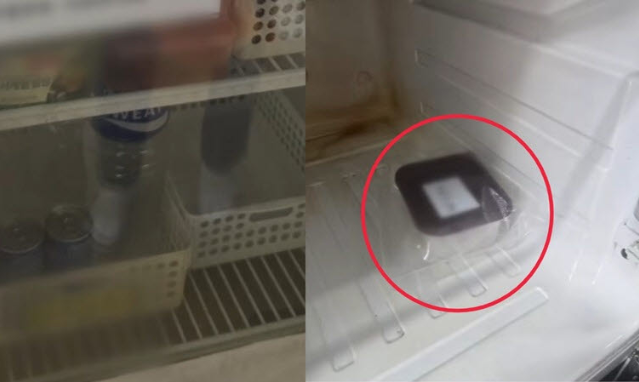
Health authorities in South Korea have launched a formal investigation into a Seoul nursing hospital following the discovery of a patient's severed toe stored in a kitchen refrigerator, raising alarm over both medical waste protocols and facility oversight. The disturbing finding came to light on August 19 when KBS reported that the human tissue had been placed inside a disposable porridge container and left among drinks and condiments for approximately two weeks until family members stumbled upon it during a routine visit. The incident underscores growing concerns about quality control in South Korean healthcare facilities and the treatment of vulnerable patients, particularly those with intellectual disabilities who depend entirely on institutional care.
The severed appendage belonged to a man in his sixties with an intellectual disability who had resided at the nursing facility for a decade. According to the family's account, they were first notified in March that one of his toes had detached following what hospital staff characterized as an accident during a wheelchair transfer for bathing purposes. The family was told the digit had already been compromised by skin necrosis and simply separated when the patient fell during routine care procedures. However, subsequent investigations revealed a more troubling backstory regarding the patient's condition and the hospital's failure to communicate critical health information to his family members.
Documentation in the hospital's own nursing records indicated that the patient had been diagnosed with a foot ulcer as far back as December, yet the family claims they received no notification of this serious medical development. The lack of transparent communication represents a significant breach of duty, particularly concerning a patient unable to self-advocate or seek independent medical attention. This failure to inform family members about a deteriorating foot condition highlights systemic gaps in how nursing hospitals maintain accountability to patients' loved ones and ensure informed consent regarding treatment decisions.
The hospital's response to the storage dilemma reveals the extent of institutional dysfunction. Staff members claimed they lacked appropriate containers designated for medical waste, prompting a nurse to improvise by placing the tissue in the kitchen refrigerator as an emergency measure. This explanation strains credibility given South Korea's comprehensive Waste Control Act, which explicitly mandates that medical waste be stored in designated, specialized containers. The facility's apparent inability to source proper containment materials for human tissue, despite operating for years, suggests either willful negligence or alarming resource constraints that compromise basic safety standards.
The improper storage arrangement violates multiple regulatory frameworks simultaneously. Beyond breaching the Waste Control Act's medical waste provisions, keeping human tissue adjacent to food and beverages almost certainly contravenes South Korea's food sanitation regulations. The incident demonstrates how systemic failures cascade through an institution: inadequate waste management protocols, insufficient staff training, lack of proper equipment, and absent supervisory oversight all converged to create a situation that would be unacceptable in any developed healthcare system. The two-week storage period particularly underscores how the violation persisted without anyone raising alarms or implementing corrective action.
For Malaysian healthcare stakeholders and policymakers, this incident offers cautionary lessons about nursing home accreditation and inspection regimes. Malaysia's own network of private nursing homes and care facilities operates with varying standards, and cases like this in a developed country system should prompt urgent reflection about whether similar vulnerabilities exist locally. The incident raises fundamental questions about how effectively regulatory bodies monitor medical waste disposal, whether facilities have adequate resources for compliance, and what mechanisms exist to ensure families receive transparent information about patients' medical conditions.
The severity of the violation became apparent only when family members visited, suggesting that routine institutional inspections failed to detect the breach. This pattern of external discovery rather than internal accountability is particularly concerning in institutions serving vulnerable populations with limited ability to self-report or escalate concerns. The South Korean case demonstrates how intellectual disability compounds risk factors; patients unable to communicate problems or advocate for themselves depend entirely on institutional integrity and family vigilance for protection.
Following the KBS revelation, South Korea's Health Ministry moved quickly to demand that local government authorities conduct a comprehensive administrative investigation into the hospital's operations. This response reflects the serious nature of the breach and signals potential consequences for the facility. The investigation will likely examine not only the immediate waste storage violation but also broader institutional practices, staff training protocols, medical waste disposal procedures, family communication practices, and patient care standards. Such investigations typically result in administrative penalties, mandatory facility improvements, and potential licensing restrictions.
The incident carries implications extending beyond a single facility's failings. It prompts broader scrutiny of nursing home standards across South Korea and raises questions about whether similar conditions might exist undetected in other institutions. For Southeast Asian countries including Malaysia, which increasingly rely on private nursing homes as populations age, the case underscores the necessity for robust regulatory frameworks, unannounced inspections, family involvement mechanisms, and transparent incident reporting systems. The presence of family visitors ultimately proved critical in discovering this violation; systems that discourage or complicate family access to patients create conditions where institutional misconduct can flourish unchecked.
This incident also highlights the particular vulnerability of patients with intellectual disabilities in institutional settings. Such individuals often lack advocates who can independently verify that they receive appropriate care or that their conditions are being properly managed. The hospital's failure to inform the family about the December foot ulcer diagnosis suggests a pattern of information gatekeeping that may extend to other aspects of care. Strengthening patient and family communication rights, particularly for vulnerable populations, should be a priority for healthcare regulators worldwide.
The financial and reputational consequences for the nursing hospital will likely be substantial. Beyond administrative penalties and potential licensing restrictions, the facility faces lawsuits from the patient's family and irreparable damage to its institutional credibility. Other families with relatives in the home may withdraw them, triggering financial crisis. The case serves as a powerful demonstration that healthcare facilities cannot cut corners on basic protocols without eventually facing consequences that far exceed the cost of compliance.
Moving forward, the investigation should produce clear answers about what systemic failures permitted this violation to occur and persist for weeks. Whether the hospital genuinely lacked proper medical waste containers or failed to utilize available resources, the outcome is equally damaging to institutional credibility and public trust. The incident will almost certainly prompt stricter enforcement of medical waste regulations across South Korea's healthcare sector and may serve as a model for improved oversight in other countries grappling with nursing home quality and accountability challenges.

