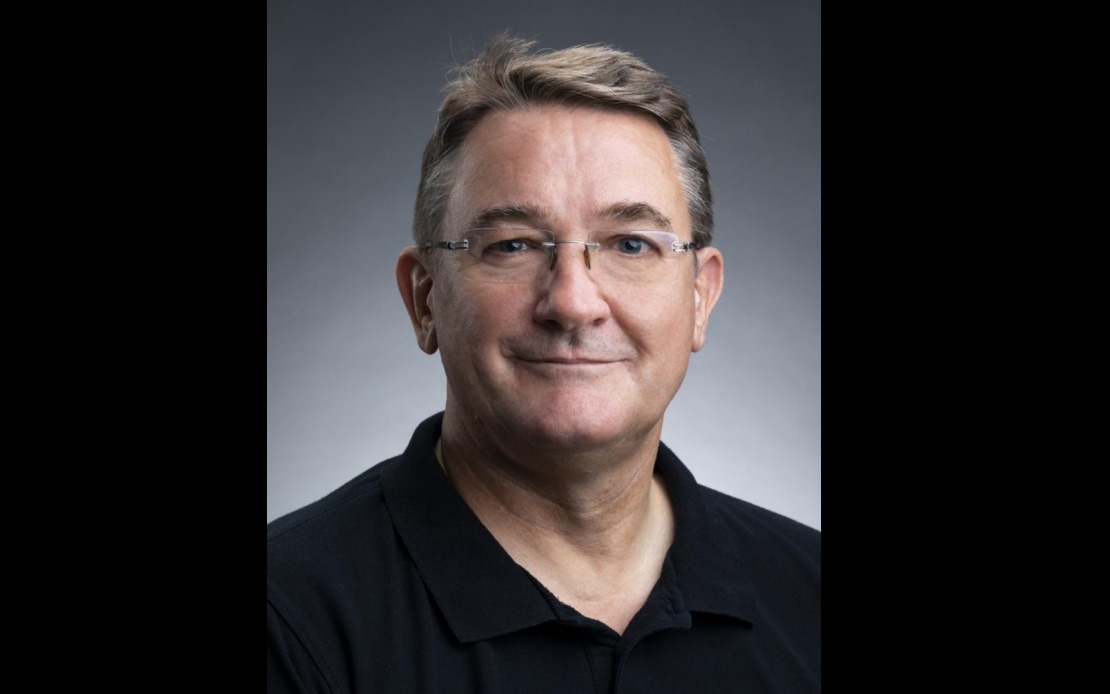
The appointment of Dr David Lacey as British Honorary Consul in Penang marks a significant transition in the UK's diplomatic presence within Malaysia's northern region, with the 60-year-old industry leader stepping into a role that will bridge technology innovation with bilateral relations. Lacey succeeds Datuk Robert Hawkins, whose two-decade tenure concluded after an extensive period of service supporting British interests and nationals in Penang and surrounding areas.
Lacey's background as chairman of the Semiconductor Fabrication Association of Malaysia positions him well to advance the UK-Malaysia relationship at a particularly opportune moment for technology collaboration. The appointment signals British strategic intent to deepen engagement with Penang's burgeoning technology sector, where advanced manufacturing and semiconductor research have become increasingly central to the state's economic diversification. British High Commissioner to Malaysia Ajay Sharma acknowledged this alignment, emphasising that Lacey's appointment would strengthen the high commission's outreach across Penang and northern Malaysia in critical domains including technology development, digital transformation, and artificial intelligence—all areas where both nations identify substantial partnership potential.
As honorary consul, Lacey assumes a multifaceted diplomatic role extending well beyond ceremonial functions. The position demands engagement with Penang's state government and business community to foster political, academic, and commercial relationships that benefit both nations. Beyond these relationship-building responsibilities, the role carries practical consular obligations that are often unglamorous yet essential to protecting British nationals abroad. These duties encompass supporting UK citizens navigating health crises or legal difficulties within Malaysian institutions, managing the formal processes surrounding the death of British citizens, and coordinating the UK government's response during emergencies or disasters affecting British residents.
Lacey brings substantial credentials to this appointment, having spent decades navigating the semiconductor industry across multiple continents. His career spans Europe, the United States, and Malaysia, with particular emphasis on building research and development capabilities that translate innovation into commercial products. Currently serving as director of a high-technology semiconductor enterprise based in Penang, he maintains active involvement in Malaysia's innovation ecosystem through his board membership with Collaborative Research in Engineering, Science, and Technology (CREST) and his advisory role with the Academy of Sciences Malaysia (ASM).
The appointment carries particular resonance for Malaysia's relationship with the UK in the context of broader technology cooperation. Penang has long positioned itself as a regional hub for advanced manufacturing and electronics, building on decades of semiconductor industry investment. Lacey's entrenchment within this ecosystem means the honorary consulate can serve as a direct channel for UK technology companies seeking Malaysian partnerships and for Malaysian firms exploring opportunities in British markets and research institutions. The timing aligns with both governments' stated commitment to a Strategic Partnership that extends beyond traditional trade relationships into knowledge exchange and technological collaboration.
Lacey's credentials extend significantly beyond his corporate roles. Having established his residence in Penang since 2001, he has developed deep familiarity with local governance structures, business practices, and cultural contexts that will inform his diplomatic work. His educational background includes a Doctor of Philosophy from the University of Sussex, providing him with academic credentials that complement his industry experience. Notably, Universiti Sains Malaysia conferred an Honorary Doctor of Science upon him in 2021, recognising his substantive contributions to Malaysia's economic advancement—a validation that underscores his credibility within Malaysian academic and policy circles.
Sharmaa's public statement thanking Datuk Robert Hawkins acknowledged the retiring consul's substantial contribution across two decades of service. Such extended tenures in honorary positions reflect the trust placed in individuals to represent national interests while operating within host-country frameworks. Hawkins' retirement closes an important chapter in Penang's diplomatic history, and his two-decade record provides context for understanding the significance of his successor's appointment.
The honorary consul system represents a distinctive feature of British diplomacy, leveraging distinguished residents and business leaders to extend the UK's soft power and consular reach beyond formal embassy structures. By appointing respected figures from commerce, academia, and industry, Britain distributes diplomatic presence across multiple regional nodes while ensuring that those representing British interests possess local legitimacy and substantive knowledge. Lacey's selection reflects this model's logic—his standing within Penang's technology sector should facilitate conversations and relationships that might prove more challenging for traditional diplomats operating from Kuala Lumpur.
For Malaysian readers and policymakers, this appointment carries practical implications for technology collaboration. Penang state government officials pursuing semiconductor industry development or digital transformation initiatives may find Lacey a valuable interlocutor for accessing UK research partnerships, funding opportunities, or regulatory expertise. Similarly, Malaysian companies within the technology space contemplating British market entry or international research collaborations gain a dedicated contact point within the consular apparatus. The appointment thereby serves practical business interests while advancing the strategic partnership rhetoric increasingly common in UK-Malaysia bilateral discourse.

