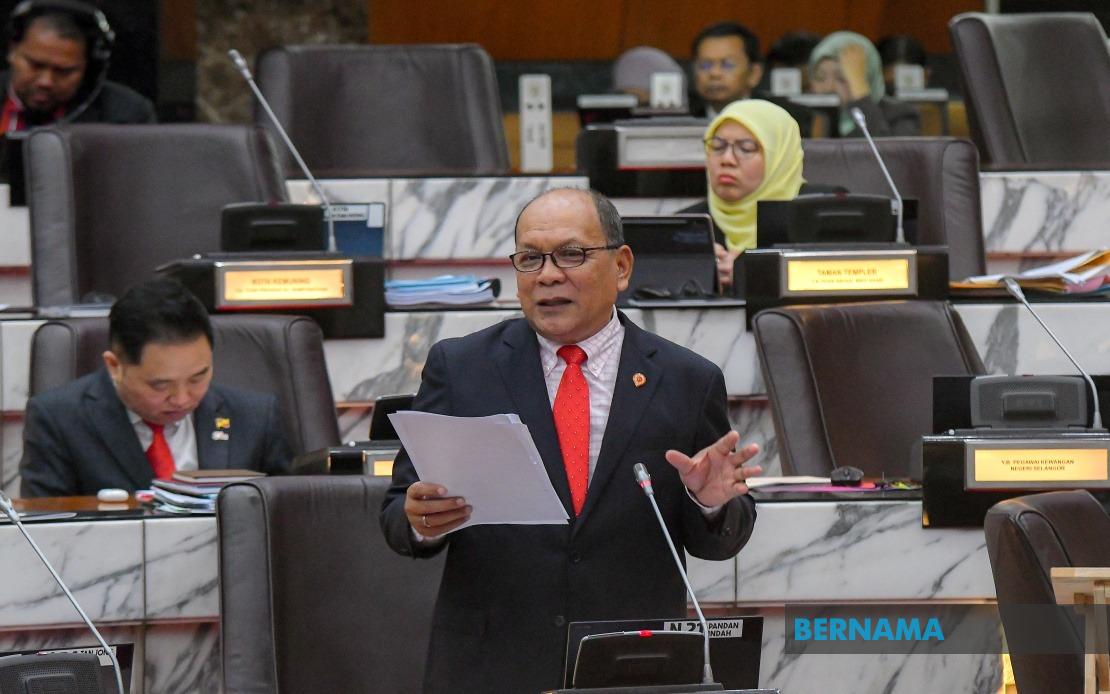
The Selangor state government is grappling with escalating damage to its flood control infrastructure, as vandalism and theft at pump houses have become a persistent drain on public resources. Speaking during the State Legislative Assembly sitting in Shah Alam on August 6, Datuk Izham Hashim, chairman of the Infrastructure and Agriculture Committee, disclosed that these incidents have cost the state up to RM400,000 in repair expenses, disrupting critical drainage and irrigation operations that protect thousands of residents from seasonal flooding.
The problem has grown significant enough to warrant high-level coordination between multiple government agencies and law enforcement. Izham revealed that the state administration has already engaged Selangor's police leadership to devise a comprehensive strategy aimed at reducing both the frequency of criminal incidents and their operational impact. This intervention reflects the gravity with which state authorities now view the situation, recognising that each act of vandalism or theft potentially compromises the state's capacity to respond to flooding emergencies.
To address the security gaps that have allowed such incidents to proliferate, Izham announced that he has directed the Drainage and Irrigation Department and the Public Works Department to implement stronger protective measures at affected facilities. The cornerstone of this approach is the installation of closed-circuit television systems at key pump house locations, a move designed to provide both deterrence and evidence-gathering capabilities. The rationale is straightforward: increased surveillance coupled with visible security infrastructure may discourage potential offenders while enabling faster identification and prosecution of those who do attempt crimes.
The broader context reveals how infrastructure theft and vandalism disproportionately impact flood management systems that serve the public interest. Pump houses form a critical link in Selangor's drainage network, particularly given the state's vulnerability to seasonal flooding that regularly affects residential and commercial areas. When these facilities are damaged or stripped of components, repair timelines can stretch for weeks, leaving entire drainage zones partially or wholly inoperative and exposing downstream communities to unnecessary flood risk during the monsoon season.
Beyond CCTV installation, the state government is pursuing a multi-layered defensive strategy that encompasses both enforcement and collaboration. Police and security agencies have been formally asked to increase their presence and vigilance around pump house sites, with the expectation that more frequent patrols and visible law enforcement will raise the perceived risk for potential criminals. Additionally, state authorities are exploring supplementary security measures not yet specified in detail, suggesting that ongoing assessments are identifying additional vulnerabilities that require targeted solutions.
The financial toll of RM400,000 in repairs, while a discrete figure, likely understates the true cost to the state economy. Beyond direct repair expenditure, there are indirect expenses associated with lost operational capacity during monsoon seasons, compensation claims from flood-affected residents and businesses, emergency response mobilisation, and the administrative burden of investigating and prosecuting theft cases. For a state that experiences regular flooding, the degradation of infrastructure meant to mitigate such disasters represents a compounding problem that becomes more costly the longer it remains unresolved.
The incident that prompted Jefri Mejan, the assemblyman for Ijok representing Perikatan Nasional, to raise this matter in the legislature reflects growing public concern about infrastructure security across Selangor. The constituency-level attention suggests that constituents are increasingly frustrated by flood recurrence and seek accountability from state representatives on preventive measures. This public pressure has evidently reached the committee level, motivating the detailed response from Izham and spurring coordinated action across departments.
For Malaysian readers, this situation illustrates a broader challenge facing regional water management authorities: the vulnerability of critical infrastructure to criminal activity, particularly in systems where components have resale value. Metal theft from flood control facilities has become a recurring problem in Southeast Asia, driven by the value of copper wiring and brass components in scrap metal markets. Selangor's experience is not unique, but the scale of losses suggests that existing security protocols have been inadequate to the task.
The reliance on CCTV and increased police patrols, while necessary, also points to resource constraints that limit more comprehensive solutions. Fully staffing pump house sites with round-the-clock security personnel would substantially exceed current budgets, yet the current reactive approach—responding to damage after the fact—is proving expensive and operationally disruptive. The state government's exploration of "other ways" to address the situation may eventually encompass more innovative security technologies or community-based monitoring programmes that distribute the burden more widely.
Looking forward, the effectiveness of these measures will depend on sustained commitment and adequate resource allocation. Police enforcement typically wanes when high-profile cases are resolved, and CCTV systems require ongoing maintenance and effective integration with response protocols. The successful resolution of this problem will require not just installing surveillance equipment but ensuring that footage leads to prosecutions that create genuine deterrence in the local offender population. Without visible consequences, criminal activity may simply shift to other vulnerable facilities rather than diminishing overall.

