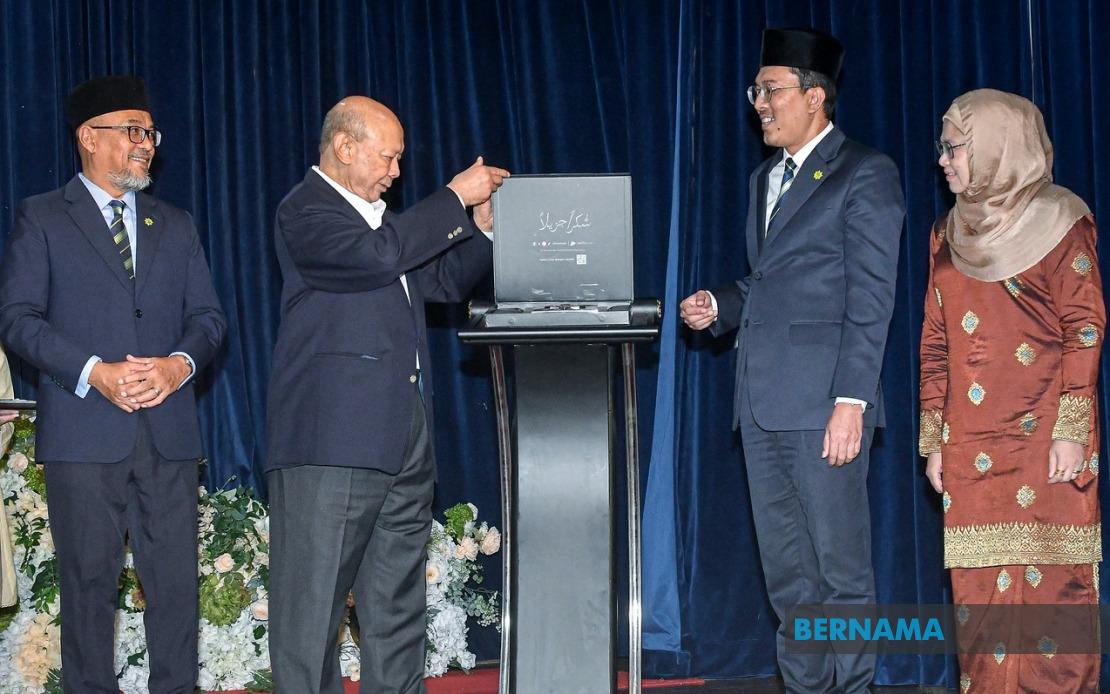
Selangor Zakat Board unveiled the Muzakki Zakat Selangor Recognition Initiative, or IKTIRAF, at an event in Shah Alam on July 7, marking the launch of Malaysia's first official certification system designed to acknowledge corporations and organisations demonstrating sustained commitment to paying business zakat. The programme represents a strategic effort to elevate the profile of compliant businesses whilst simultaneously encouraging broader adoption of zakat payment practices across the corporate sector in Selangor and potentially across Malaysia.
Mohd Khaidzir Shahari, chief executive of Selangor Zakat Board, articulated the underlying philosophy driving the initiative. He emphasised that IKTIRAF is fundamentally about amplifying corporate consciousness regarding zakat obligations and fostering an environment where businesses view the third pillar of Islam not merely as a religious duty but as an integral component of their governance framework and corporate social responsibility architecture. This positioning reflects a deliberate shift towards integrating Islamic financial principles into mainstream business operations rather than treating zakat as a peripheral obligation.
The certification framework operates through a tangible recognition system that accords participating companies both an electronic certificate and an electronic label bearing a unique serial number. These credentials can be prominently displayed across multiple platforms—on product packaging, business premises, and promotional campaigns—creating visible differentiation in the marketplace. The inclusion of QR code verification technology enables consumers to authenticate a company's standing within the programme, establishing transparency and accountability that underpins public trust in the certification's legitimacy.
Drawing an explicit parallel to the established halal certification model, Mohd Khaidzir highlighted how IKTIRAF functions as a consumer-facing signal of corporate ethical compliance. When shoppers encounter the IKTIRAF logo, they gain immediate recognition that the company behind the product meets prescribed zakat payment standards. This positioning leverages existing consumer familiarity with halal branding whilst introducing a complementary ethical metric, potentially creating competitive advantage for certified businesses within Muslim-majority markets like Malaysia. The mechanism taps into purchasing preferences among faith-conscious consumers who increasingly prioritise supporting businesses aligned with Islamic principles.
The board disclosed ambitious yet methodical expansion targets for IKTIRAF's inaugural phase. Selangor Zakat Board intends to certify approximately 1,000 existing business zakat payers throughout the first operational year, establishing a substantial foundation for the programme's credibility and market penetration. However, Mohd Khaidzir cautioned against prioritising sheer participant numbers over substantive engagement and genuine compliance. He stressed that the organisation's primary strategic objective centres on cultivating awareness amongst corporate decision-makers rather than pursuing quantitative targets through aggressive recruitment tactics.
This measured approach reflects sophisticated understanding of institutional change dynamics within corporate environments. Mohd Khaidzir explained that zakat implementation cannot succeed through punitive enforcement mechanisms. Instead, effective compliance requires patient engagement with shareholders, boards of directors, and senior management to cultivate genuine comprehension of zakat obligations and their spiritual significance. The distinction he drew between one-off payments and sustained, consistent contributions underscores the board's conviction that meaningful zakat compliance emerges from institutional transformation rather than transactional compliance. This philosophy positions IKTIRAF as fundamentally a consciousness-raising initiative rather than merely an administrative registration system.
The recognition extended during the Gemerlapan Rakan Strategik Zakat Selangor event provided tangible validation of corporate commitment. Companies and organisations already meeting eligibility criteria under the Business Zakat category and the Salary Deduction Scheme received formal IKTIRAF plaques acknowledging their contributions to strengthening Selangor's broader zakat ecosystem. This ceremonial dimension carries psychological and reputational significance, publicly celebrating pioneer adopters and creating aspirational benchmarks for lagging corporate entities to emulate.
For Malaysian businesses, particularly those operating across Selangor and seeking competitive differentiation in increasingly values-conscious markets, IKTIRAF presents strategic positioning opportunities. The certification signals corporate commitment to Islamic principles whilst simultaneously demonstrating governance maturity through systematic zakat management. Multinational enterprises with significant Malaysian operations may find IKTIRAF certification valuable for stakeholder relations and brand reputation management within Muslim-majority consumer segments. Small and medium enterprises, conversely, might leverage the certification to build consumer trust and community goodwill in competitive local markets.
The initiative carries broader implications for how Malaysia's regulatory framework approaches faith-based compliance and corporate social responsibility. Rather than mandating zakat payment through legislative enforcement, IKTIRAF employs market-based incentives and reputational mechanisms to encourage voluntary compliance. This approach aligns with contemporary thinking on effective regulation that harnesses consumer preferences, brand value, and competitive dynamics rather than relying exclusively on command-and-control instruments. For policymakers across Southeast Asia grappling with similar questions about integrating religious principles into commercial governance, Selangor's model offers instructive lessons about balancing institutional flexibility with compliance outcomes.
Tan Sri Syed Anwar Jamalullail, chairing Selangor Zakat Board, underscored institutional commitment to this initiative through his presence at the launch event, signalling high-level organisational backing for the programme's success. This leadership engagement provides crucial political and institutional capital necessary for sustained implementation and expansion beyond the initial three-year horizon typically associated with pilot certification programmes.
The IKTIRAF initiative emerges at a pivotal juncture in Malaysia's post-pandemic corporate landscape, where businesses increasingly seek meaningful ways to demonstrate ethical credentials and stakeholder accountability. By creating visible, verifiable certification of zakat compliance, Selangor Zakat Board has essentially commodified corporate virtue, enabling businesses to translate religious obligation into marketable competitive advantage. This mechanism simultaneously advances Islamic financial principles and leverages commercial incentives—a pragmatic synthesis that may explain why certification-based approaches increasingly dominate contemporary Islamic finance governance across the region.
Implementation success will ultimately depend on sustained corporate engagement and consumer responsiveness to the IKTIRAF signal. Early momentum suggests institutional commitment from both the regulatory authority and initial participating enterprises. However, scaling beyond 1,000 payers in year one will require demonstrable market value—whether through measurable consumer preference, quantifiable business benefits, or accumulated reputational capital. The coming months will reveal whether IKTIRAF transcends ceremonial recognition to become a genuinely transformative mechanism for institutionalising zakat compliance within Malaysia's corporate sector.

