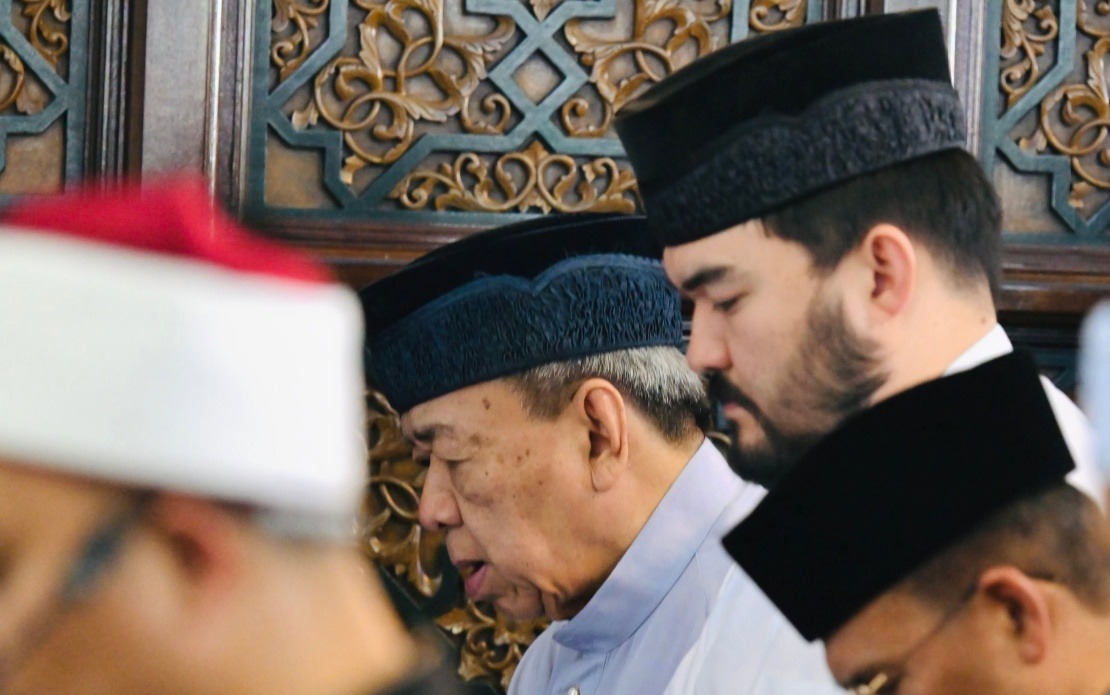
Sultan Sharafuddin Idris Shah has delivered a significant message to the Muslim community in Selangor, calling for a renewed commitment to treating animals with kindness and respect. The appeal came through a Friday sermon distributed across mosques in the state on August 14, titled 'Ihsan Terhadap Mahkluk Allah SWT' (Compassion towards Allah's Creatures), which the royal office subsequently reinforced through official channels. The Ruler's intervention on this matter reflects growing concerns about animal welfare standards across the state and seeks to realign public behaviour with core Islamic principles.
In his statement, Sultan Sharafuddin positioned animal welfare within the broader Islamic framework of environmental stewardship. He emphasized that humans, as custodians of the earth, carry profound responsibilities that extend beyond social relationships to encompass the natural world. This includes not only domesticated animals and strays that interact regularly with human communities, but also wildlife populations and their habitats. The Sultan's framing suggests that compassionate treatment of creatures is inseparable from the protection of ecosystems, forests, waterways, and geological features, all of which function as interconnected components of creation.
The theological foundation for this teaching draws directly from the Prophet Muhammad's historical emphasis on animal treatment. According to the Sultan's interpretation of Islamic doctrine, believers are obligated to ensure that animals receive adequate sustenance and care, providing them with food and water when under human control. At minimum, the teachings stipulate that Muslims must refrain from deliberate cruelty or inflicting unnecessary suffering. This expectation applies universally to all creatures, regardless of their utility to humans, and reflects an understanding that animals possess inherent worth within Islamic cosmology beyond their instrumental value.
However, Sultan Sharafuddin's message demonstrated nuanced understanding of the practical tensions that arise between animal welfare and human safety. The Sultan acknowledged that situations arise where wildlife presents tangible threats to public security or causes substantial damage to property and livelihoods. In such circumstances, Islam permits protective intervention to prevent harm to human lives and assets. This allowance aligns with the objectives of Maqasid Syariah, the foundational principles underlying Islamic law that prioritize the protection of life, intellect, religion, lineage, and property.
The Sultan's careful articulation of this balance deserves particular attention for Southeast Asian readers grappling with rapid urbanization and habitat fragmentation. Across Malaysia, encounters between humans and wildlife have intensified as development encroaches on natural areas. States like Selangor, which surrounds the federal territories and experiences intense population growth, face recurring conflicts involving elephants, monitor lizards, snakes, and other species. Rather than framing these as binary choices between conservation and safety, the Sultan's statement suggests Islamic jurisprudence accommodates a graduated response framework based on assessed threat levels.
This positioning carries implications for local wildlife management policies. Government agencies responsible for animal control and urban wildlife management operate within secular frameworks, yet they serve predominantly Muslim populations whose ethical intuitions derive from religious teachings. The Sultan's clarification that compassion and safety are complementary rather than contradictory principles provides moral cover for interventions that prioritize non-lethal solutions, habitat modification, and preventive measures before resorting to lethal control. It validates investments in coexistence strategies such as improved waste management, human-wildlife conflict mitigation training, and sanctuary programs.
The emphasis on understanding sermon content suggests the Sultan recognizes that some segments of the Muslim population may not internalize these teachings without deliberate effort. Animal cruelty incidents documented across Malaysia indicate gaps between formal Islamic teachings and actual practice. By calling on people to reflect deeply on the Friday sermon's message, the Sultan addresses this implementation gap. The Royal Office's amplification of the message through social media channels ensures that the sermon reaches beyond mosque attendees to broader audiences, including younger generations and those disconnected from formal religious instruction.
The timing and scope of this intervention also reflect institutional leadership during a period of evolving environmental consciousness. As Southeast Asia confronts biodiversity loss and climate change impacts, religious authorities increasingly recognize their role in mobilizing communities around sustainability. The Selangor Sultan's statement aligns with global trends where Islamic scholars reinterpret classical texts to address contemporary environmental crises. By rooting animal welfare in Islamic doctrine rather than secular conservation arguments, the Sultan increases the likelihood that the message resonates with traditionalist populations potentially dismissive of Western-origin environmental movements.
For Malaysia's multicultural society, the Sultan's message carries broader implications. While formally addressing the Muslim community, the principles articulated—stewardship, responsibility, and compassion towards sentient beings—resonate across religious and cultural boundaries. This creates potential for shared ethical ground regarding animal welfare standards across diverse communities. It also provides a reference point for interfaith dialogue on environmental issues, demonstrating how different traditions converge on similar values despite distinct theological frameworks.
The practical manifestations of this teaching will likely emerge through enhanced enforcement of existing animal welfare laws, strengthened penalties for documented cruelty, and expanded education programs in schools and community centers. Religious scholars and mosque leaders now possess royal validation for incorporating animal welfare into their preaching, potentially shifting social norms around treatment of strays and vulnerable animals. Civil society organizations working on animal welfare can leverage the Sultan's statement as advocacy material when engaging with government agencies or seeking community support for their initiatives.
Ultimately, Sultan Sharafuddin's intervention represents an attempt to harmonize Islamic tradition with contemporary challenges regarding human-animal relations. By refusing false dichotomies between development and compassion, between safety and welfare, the Sultan offers a middle path that acknowledges the legitimate concerns of modern, increasingly urbanized societies while maintaining fidelity to core religious principles. Whether this message translates into sustained behavioral change across Selangor's diverse population will depend on reinforcement through institutional channels, education, and enforcement mechanisms in coming months and years.

