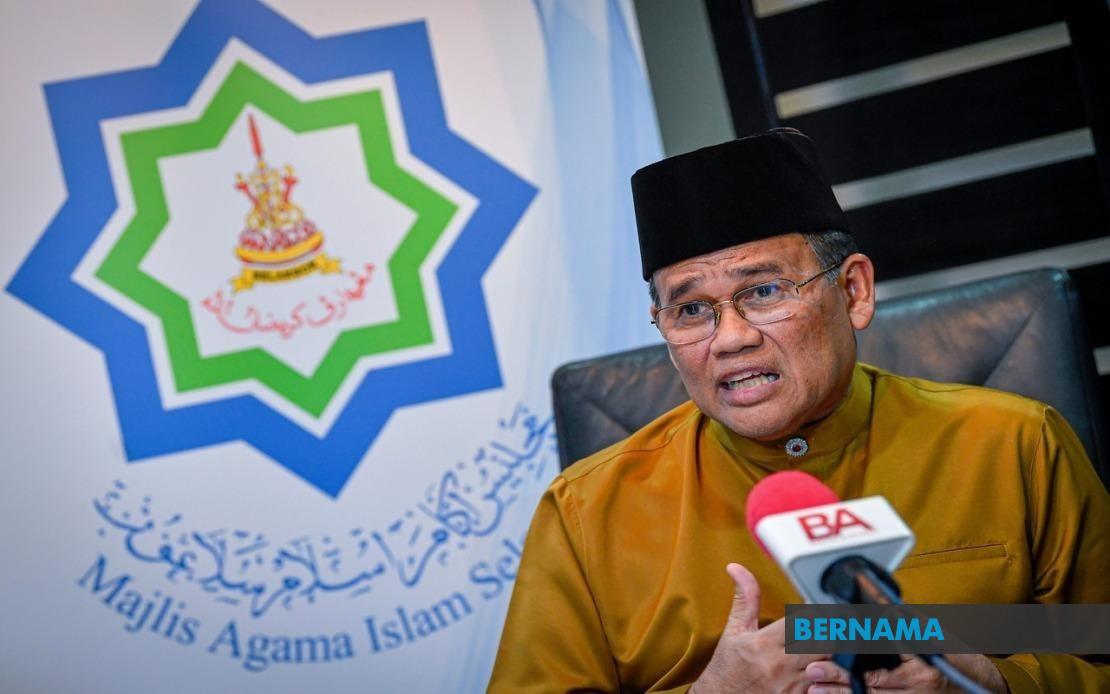
The Sultan of Selangor, Sultan Sharafuddin Idris Shah, has decided against granting permission for surau and musolla facilities within shopping malls to hold Friday prayers at this time, according to an announcement from the Selangor Islamic Religious Council (MAIS). The decision reflects deliberate consideration of how prayer facilities should be organised across the state, particularly regarding the distinction between shopping mall surau and formally authorised houses of worship.
MAIS chairman Datuk Salehuddin Saidin explained that the refusal stems from concerns centred on protecting the institutional role of mosques as the foundation of Islamic community life. Allowing shopping mall surau to conduct Friday prayers would risk fragmenting congregational worship and diverting worshippers from established religious institutions. The concern is not merely administrative but rooted in preserving what Islamic authorities view as the sacred function of mosques in Muslim society.
The religious council presented empirical reasoning for its stance, noting that Selangor already possesses 448 mosques and 379 authorised surau conducting Friday prayers, a combination the council considers adequate for the state's Muslim population. This existing infrastructure, according to MAIS, demonstrates that worshippers possess sufficient authorised venues without requiring expansion into commercial spaces. The council's argument rests on the premise that capacity exists and therefore necessity does not justify the proposal.
Beyond pure numbers, MAIS emphasised the practical convenience currently available to congregants. Many mosques and surau already operate in proximity to shopping malls, meaning Muslims seeking to perform Friday prayers at or near commercial centres can access properly managed facilities without requiring surau within malls themselves. This proximity argument suggests that the proposal addresses a problem that existing infrastructure arrangements already resolve.
The Sultan's position aligns with Islamic jurisprudence emphasising mosques as primary worship centres and loci of religious education and community strengthening. MAIS framed the decision as consistent with Islamic values rather than merely bureaucratic restriction. The council contended that reinforcing the primacy of mosques serves broader religious objectives beyond logistical considerations, including preserving spaces dedicated exclusively to spiritual purposes.
Administrative oversight emerged as a secondary but significant concern. MAIS highlighted that managing surau conducting Friday prayers requires appointing qualified imams, bilals, and other personnel, establishing governance structures, and ensuring regulatory compliance. If shopping mall surau operated independently, MAIS would face difficulties monitoring sermon preparation, ensuring consistency with council guidelines, and maintaining standards across facilities. Personnel appointment authority becomes a control mechanism through which religious authorities maintain doctrinal and operational uniformity.
The council acknowledged an existing exception: one shopping mall surau in Selangor currently holds temporary authorisation to conduct Friday prayers, justified only by the absence of nearby mosques. This exception proves instructive, revealing that MAIS permits pragmatic deviations when geographical necessity arises but retains an explicit understanding that such permissions remain provisional. Should a proper mosque eventually open near that facility and offer adequate capacity, the temporary authorisation would be withdrawn.
Federally, the discussion intersects with a broader national conversation. Minister in the Prime Minister's Department (Religious Affairs) Dr Zulkifli Hasan has advanced a nationwide proposal to establish authorised shopping mall surau for Friday prayers, representing a more accommodating federal position. MAIS's approach in Selangor therefore constitutes a measured refusal at the state level, reflecting how religious governance operates within Malaysia's constitutional framework.
The constitutional dimension proves crucial to understanding MAIS's authority. Under the Ninth Schedule of the Federal Constitution, religious matters fall within state jurisdiction rather than federal purview. The Sultan of Selangor, as the constitutional Head of Islam in the state, possesses the prerogative to determine policies regarding Islamic religious administration. This constitutional arrangement means the Sultan's decision carries legal force regardless of federal inclinations, establishing a clear boundary between state and federal religious authority.
Legal mechanisms underpin the council's enforcement power. Section 97 of the Administration of the Religion of Islam (State of Selangor) Enactment 2003 requires that any building's use as a mosque, surau, or musolla needs prior written approval from MAIS. This statutory requirement gives the council formal instruments to control facility usage beyond mere advisory capacity. MAIS therefore operates with legally binding authority, not merely persuasive influence.
The decision carries implications for how Malaysian states approach modernisation pressures. As shopping malls proliferate as community gathering spaces, particularly in urban areas, questions about religious accommodation within commercial environments intensify. Selangor's rejection suggests a conservative stance prioritising institutional preservation over functional accommodation, choosing to maintain clear separation between commercial and religious spaces rather than integrating prayer facilities into consumer environments.
For Malaysian Muslims navigating worship in urban settings, the decision confirms that Friday prayers remain formally restricted to authorised venues, particularly mosques and registered surau. This boundary reflects a deliberate choice to resist institutional erosion, even as lifestyle patterns shift toward greater time spent in commercial centres. The restriction implicitly encourages maintaining traditional worship practices tied to dedicated religious spaces rather than adapting religious observance to secular commercial contexts.
Looking forward, this decision establishes Selangor's approach as more restrictive than the federal government's direction, creating potential policy divergence across Malaysian states. States following Selangor's reasoning would maintain strict controls, while others might adopt the federal government's more permissive stance. The outcome will shape whether shopping mall surau become standard religious facilities nationwide or remain exceptional accommodations limited to specific geographical circumstances.

