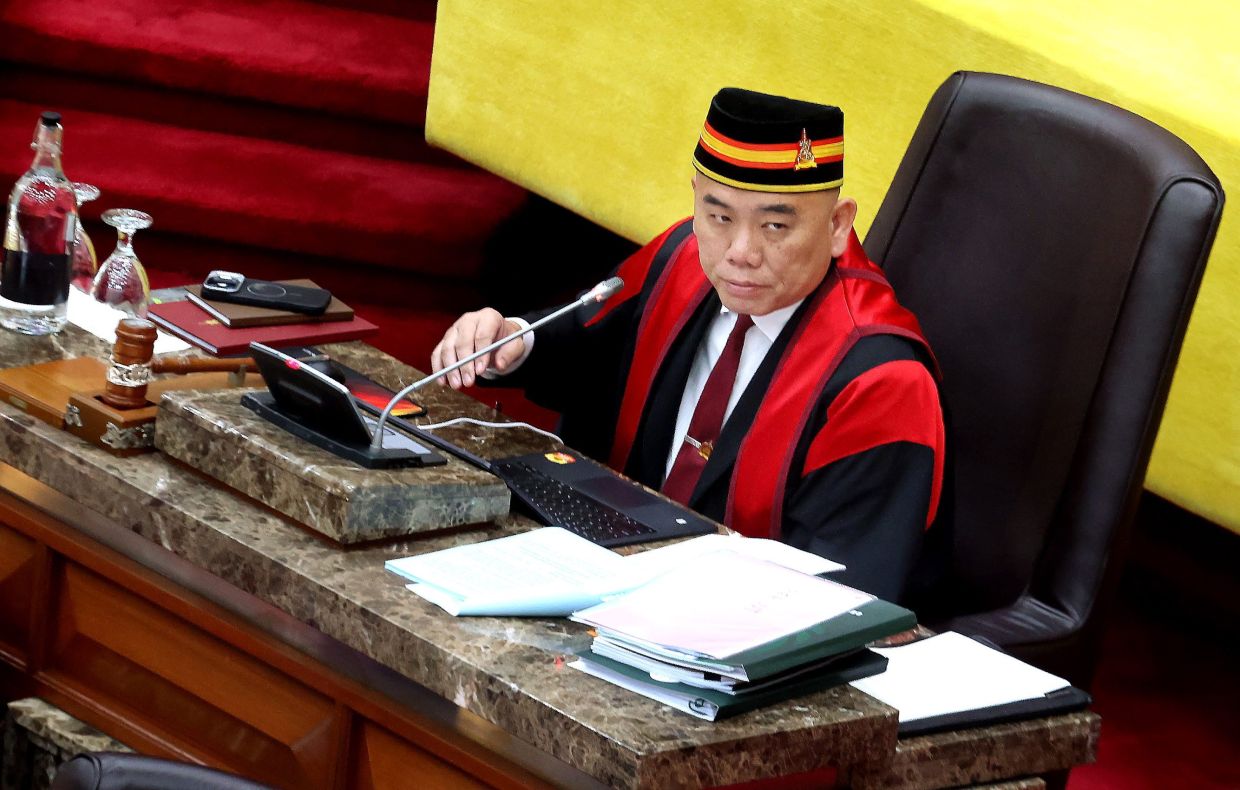
The Selangor state legislature has launched a formal inquiry into claims that one of its members has undergone bankruptcy proceedings, with Speaker Lau Weng San overseeing the process. Speaking during Monday's sitting at Bangunan Dewan Negeri Selangor on August 3, Lau indicated that the investigation remains preliminary and that he is withholding both the assemblyman's identity and substantive commentary until the probe reaches a conclusive stage.
The scope of the investigation is expansive, encompassing contributions from multiple stakeholders and examining various dimensions of the allegation. According to Lau, the inquiry will draw input from all relevant constituencies and consider a broad array of factors that may bear on the matter. This methodical approach reflects the gravity attached to allegations of personal financial insolvency among elected representatives, which carry potential implications for their eligibility to hold public office.
Lau has deliberately refrained from confirming which assemblyman is under scrutiny, a decision that protects the individual's reputation pending conclusion of the investigation. When queried whether the person might be among those absent from Monday's session, the Speaker clarified that lawmakers routinely miss proceedings for legitimate purposes. Medical leave, parliamentary business elsewhere, and other approved absences are commonplace among state representatives and cannot therefore be construed as indicative of wrongdoing or culpability.
A key question surrounding the case concerns the constitutional and administrative framework governing such matters. Under the Selangor State Constitution, a representative's seat becomes eligible for vacation only under specific circumstances. The Speaker possesses authority to declare a seat vacant exclusively when an assemblyman fails to attend legislative sittings for six consecutive months without furnishing formal advance notice to the assembly. This provision creates a substantial procedural threshold before a seat can be forfeited, ensuring that temporary or legitimate absences do not jeopardise a lawmaker's tenure.
Lau has emphasised the necessity of completing investigations thoroughly before drawing conclusions. The Speaker's cautionary stance reflects recognition that premature judgments could prove prejudicial to an individual facing unverified allegations. The investigative process must establish facts with sufficient certainty before any action proceeds, whether that involves potential disciplinary consequences or referral to other authorities. This deliberative posture serves important principles of procedural fairness within democratic institutions.
The Electoral Commission will assume a decisive role should the bankruptcy allegations prove substantiated. Malaysian electoral law contains provisions addressing the eligibility of individuals to serve as representatives, and bankruptcy—depending on its nature and duration—may render someone ineligible for elected office. Whether a seat requires filling through by-election would be determined by the Election Commission following confirmation that grounds for disqualification have been met. The Speaker has framed this matter as falling squarely within the Commission's purview rather than the legislature's.
Lau's reluctance to specify a timeline for investigation completion underscores the unpredictable nature of administrative inquiries. The Speaker stated simply that conclusions cannot be rushed and that verification of all relevant information must precede any decision. This open-ended approach acknowledges that investigations into personal financial affairs involve complex documentation and may require consultation with external bodies responsible for bankruptcy registrations and declarations.
Precedent exists within the Selangor assembly for seat vacancies arising from prolonged non-attendance. Former Batang Kali assemblyman Harumaini Omar's seat was declared vacant on February 16, 2023, following his failure to attend assembly sessions for more than six months without authorisation. That case demonstrates that the Speaker possesses mechanisms and demonstrated willingness to enforce constitutional provisions regarding representation. However, bankruptcy allegations represent a distinct category of concern, operating under different legal frameworks than simple absence from proceedings.
The incident highlights broader accountability mechanisms within Malaysian state legislatures. Representatives must maintain standards of conduct and eligibility that the public reasonably expects of its elected officials. Financial insolvency, particularly if undisclosed or concealed, raises questions about judgment and potential conflicts of interest. The legislature's obligation to investigate such allegations reflects commitment to institutional integrity and public confidence in the assemblies serving Malaysian constituencies.
For Selangor's political landscape, the outcome of this inquiry carries subtle implications. The state has experienced considerable turbulence in recent years stemming from coalition shifts and by-elections triggered by various circumstances. Should a seat become vacant and a by-election be required, it would test the current political alignments in that particular constituency. However, such speculation remains premature until the investigation concludes and relevant authorities determine the appropriate course of action.
The Speaker's communications strategy—neither denying the investigation nor elaborating extensively—appears designed to allow the process to unfold without contaminating it through public commentary. Malaysian legislators and observers alike now await formal conclusions that will clarify both the facts surrounding the allegation and the institutional response warranted by those facts.

