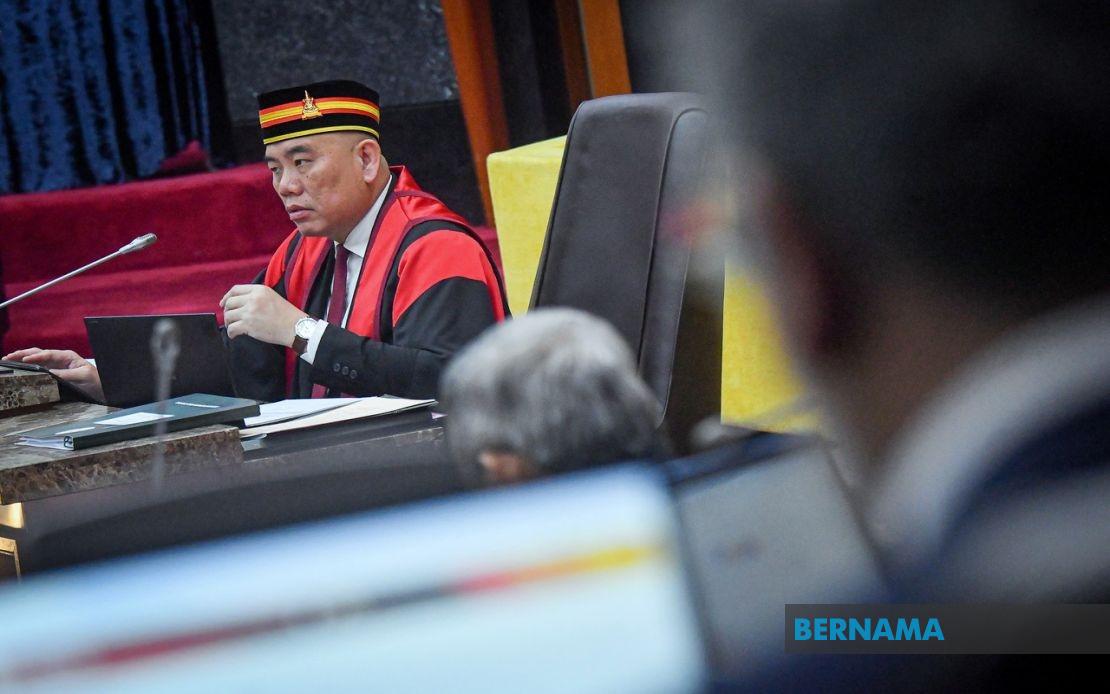
Selangor State Legislative Assembly Speaker Lau Weng San is undertaking a comprehensive examination of every assemblyman's status, regardless of political party affiliation, to establish a factual basis for any decisions regarding potential vacant seats. Speaking to journalists at Wisma Dewan Negeri Selangor in Shah Alam on August 3, the Speaker emphasised that the investigation remains in progress and requires careful scrutiny across all constituencies before any seats can be declared vacant under constitutional guidelines.
The review process reflects constitutional requirements that demand meticulous verification before the assembly can take action on seat vacancies. Lau stressed that the evaluation encompasses assemblymen from every corner of the state and every party, acknowledging that the assembly must consider multiple scenarios and circumstances that might affect an individual legislator's eligibility to retain their position. This inclusive approach aims to prevent any perception of selective enforcement or politically motivated decisions.
When queried about the specific timeline for completing the review, Lau declined to provide a definitive completion date, indicating instead that formal announcements would follow once all necessary verification procedures conclude. This cautious approach suggests the assembly is aware of the sensitive political implications surrounding potential seat declarations, particularly in a state where legislative numbers significantly influence government stability.
Question arose during the sitting regarding absences by certain assemblymen, with observers potentially linking their non-attendance to the ongoing investigation. However, Lau cautioned against drawing premature conclusions from such absences, noting that legislators absent from sessions may have legitimate reasons unrelated to any constitutional concerns. He reminded stakeholders that absence from a single or even multiple meetings does not automatically indicate procedural violations or eligibility issues.
Under Selangor's constitutional framework, an assemblyman faces potential seat vacation only after accumulating six consecutive months of unexplained absences without prior permission or formal notification to the Speaker. This substantial threshold provides legislators considerable protection and requires documented non-compliance before drastic measures proceed. The Speaker confirmed that several assemblymen had submitted formal letters explaining their absences, citing health complications and other legitimate grounds, each warranting individual assessment before determinations are finalised.
Menteri Besar Datuk Seri Amirudin Shari separately indicated that decisions regarding at least one contested seat would likely crystallise within the current week, establishing clarity on whether the Election Commission should proceed with organising a by-election. This timeline signals that preliminary findings from the Speaker's investigation were nearing completion, though final confirmation from the legislative assembly remained necessary.
The state government's procedural approach involves waiting for formal notification from the Speaker before initiating subsequent steps in the constitutional process. Simultaneously, the state legal adviser is drafting necessary documentation to support whatever determinations emerge from the investigation, ensuring that any actions taken can withstand legal scrutiny and remain defensible under state constitutional provisions.
For Malaysian political observers, the Selangor assembly's situation exemplifies the delicate balance between maintaining legislative order through constitutional enforcement and avoiding accusations of partisan manipulation. The state's government has long operated with relatively slim legislative majorities, making questions about assemblymen's status particularly consequential for governance capacity and executive stability. Any seat declaration carries implications extending beyond simple arithmetic, potentially affecting legislative dynamics and executive authority.
The inclusive nature of the review—encompassing all parties rather than targeting opposition members—indicates an attempt to establish procedural legitimacy that transcends partisan concerns. In a state where political coalitions have shifted in recent years, demonstrating non-partisan application of constitutional rules provides crucial institutional credibility. Should the assembly later declare seats vacant, having documented a comprehensive, cross-party investigation strengthens the legitimacy of those decisions.
The investigation also underscores evolving standards around legislative accountability in Malaysian state assemblies. Traditionally, attendance records received less rigorous scrutiny than contemporary practice demands. The Selangor Speaker's systematic approach reflects broader expectations that elected representatives maintain consistent engagement with legislative responsibilities, with prolonged absence treated as a serious matter potentially triggering constitutional remedies.
For Selangor's political future, the week ahead appears pivotal in resolving the uncertainty surrounding at least one assembly seat. Whatever determinations emerge will likely establish precedent for how the chamber treats attendance and engagement issues going forward. The Speaker's methodology—comprehensive, deliberate, and procedurally transparent—suggests the assembly understands that rushed or seemingly arbitrary decisions regarding seat vacancies could provoke constitutional challenges and undermine public confidence in legislative institutions.
As the review progresses toward completion, stakeholders across Selangor's political spectrum will scrutinise whether the outcomes reflect genuine constitutional necessity or perceived political advantage. The Speaker's insistence on cross-party examination and individual case assessment represents an attempt to position the assembly above such suspicions, though final judgements on the review's fairness will ultimately rest with observers assessing both the process and its conclusions.

