The Selangor government has launched an urgent appeal to non-pensioned armed forces and police veterans to secure their share of Warriors' Day shopping vouchers worth RM200 each, with the August 31 deadline fast approaching. Since the initiative began on July 29, fewer than 500 claims have been submitted from a potential pool of 8,391 eligible recipients, prompting state officials to intensify outreach efforts and reassure veterans that the process remains straightforward and accessible.
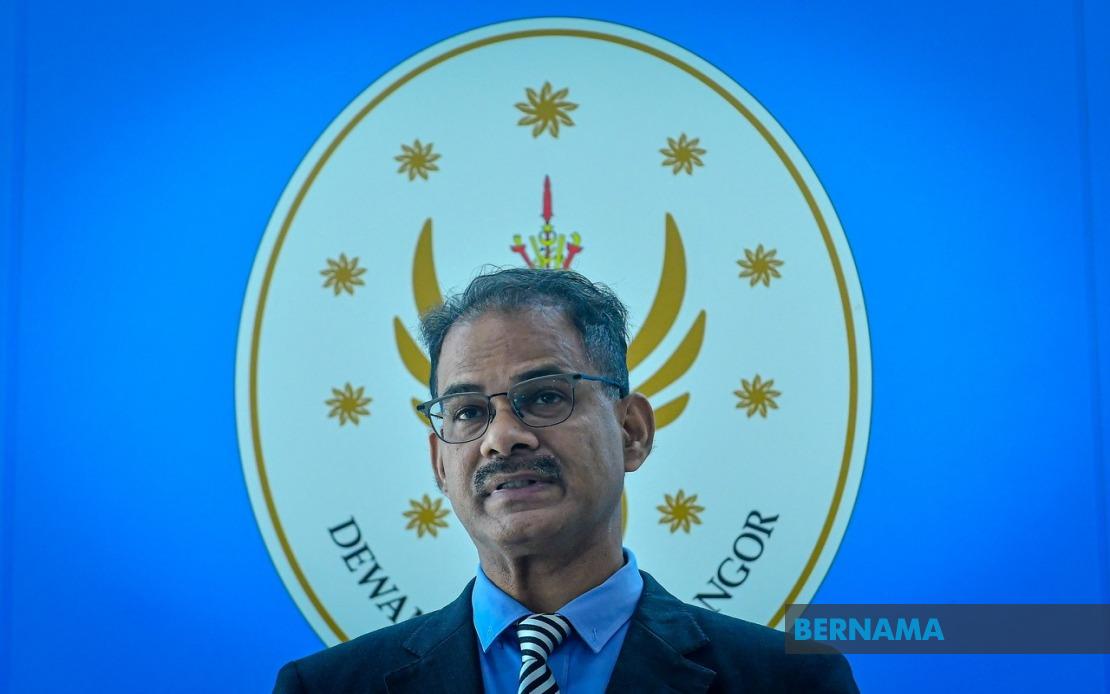
V. Papparaidu, chairman of the Selangor State Government's Human Resources and Poverty Eradication Committee, expressed concern at the low uptake during a press briefing at the State Legislative Assembly in Shah Alam. He attributed the sluggish response partly to outdated contact information, noting that many veterans on the Department of Veterans Affairs registry have relocated or changed their telephone numbers since their records were compiled. This communication gap has created a significant barrier between eligible recipients and the benefits designed for them, highlighting the practical challenges involved in reaching dispersed veteran populations.
Recognising these difficulties, the Selangor administration has simplified the claims process to accommodate real-world circumstances. Rather than insisting on direct claims from the named recipients, the government now permits representatives or next-of-kin to collect vouchers on behalf of eligible veterans. This flexibility removes the burden of personal attendance for individuals who may be elderly, infirm, or located far from State Legislative Assembly service centres, making the scheme more inclusive and practically viable across the state's diverse population.
The voucher programme, underpinned by a RM1.7 million allocation, operates through a pre-selected beneficiary model rather than a competitive application system. Officials emphasise that no formal application is necessary, as the Selangor Economic Planning Unit has already verified eligible recipients using lists supplied by the Department of Veterans Affairs and the Royal Malaysia Police. State Legislative Assembly service centres maintain the verified rosters and handle distribution, streamlining administrative processes and eliminating bureaucratic delays that might otherwise discourage claims.
Usage of the vouchers is restricted to participating supermarkets and limited to approved daily necessities, with a notable exclusion of cigarettes and alcoholic beverages. This targeted approach reflects policy intent to support essential household expenses while maintaining ethical boundaries around consumption patterns. The RM200 value represents a meaningful but modest supplement to household budgets, particularly significant for fixed-income retirees and those without pension entitlements.
For Malaysian readers, this initiative underscores persistent challenges in veteran welfare administration at the state level. While the Selangor scheme demonstrates proactive government support for non-pensioned military and police personnel—a category often overlooked in broader pension discussions—the low uptake rate signals systemic issues in reaching and communicating with beneficiary populations. The government's willingness to relax eligibility requirements reflects pragmatic problem-solving, yet the underlying coordination difficulties between federal departments and state administration remain visible.
The Warriors' Day voucher programme carries symbolic weight beyond its financial value. By explicitly framing the initiative as a manifestation of state government appreciation for those who have served the nation, Selangor positions veteran support as a civic responsibility rather than mere welfare spending. This framing resonates within Malaysian political culture, where national service and security sector contributions command considerable public respect and cross-party recognition.
From a Southeast Asian perspective, Malaysia's devolved approach to veteran benefits reflects broader regional patterns where state and federal authorities share responsibility for social safety nets. Unlike countries with centralised veteran affairs systems, Malaysia's federal structure means that complementary state-level initiatives like Selangor's voucher scheme can fill gaps in national provisions. However, this fragmentation also creates uneven coverage, with outcomes dependent on individual state capacity and political priority.
The August 31 deadline imposes genuine urgency, though the extension of claims eligibility to family representatives should capture most potential beneficiaries willing to engage with the process. Officials now face the challenge of intensifying publicity through channels that reach elderly or geographically dispersed populations, potentially including partnerships with veteran associations, community groups, and religious organisations that maintain stronger networks within these demographics than government administrative structures alone.
Papparaidu's emphasis on the state government's "continued commitment to safeguarding the welfare" of veterans articulates a longer-term framing that transcends the immediate RM200 voucher scheme. It positions current measures within a broader arc of state-level veteran support, suggesting potential for expanded or enhanced programmes in future budgets. For eligible recipients facing financial pressure, however, the immediate practical matter remains simpler: visiting the nearest State Legislative Assembly service centre with appropriate documentation before the deadline expires.

