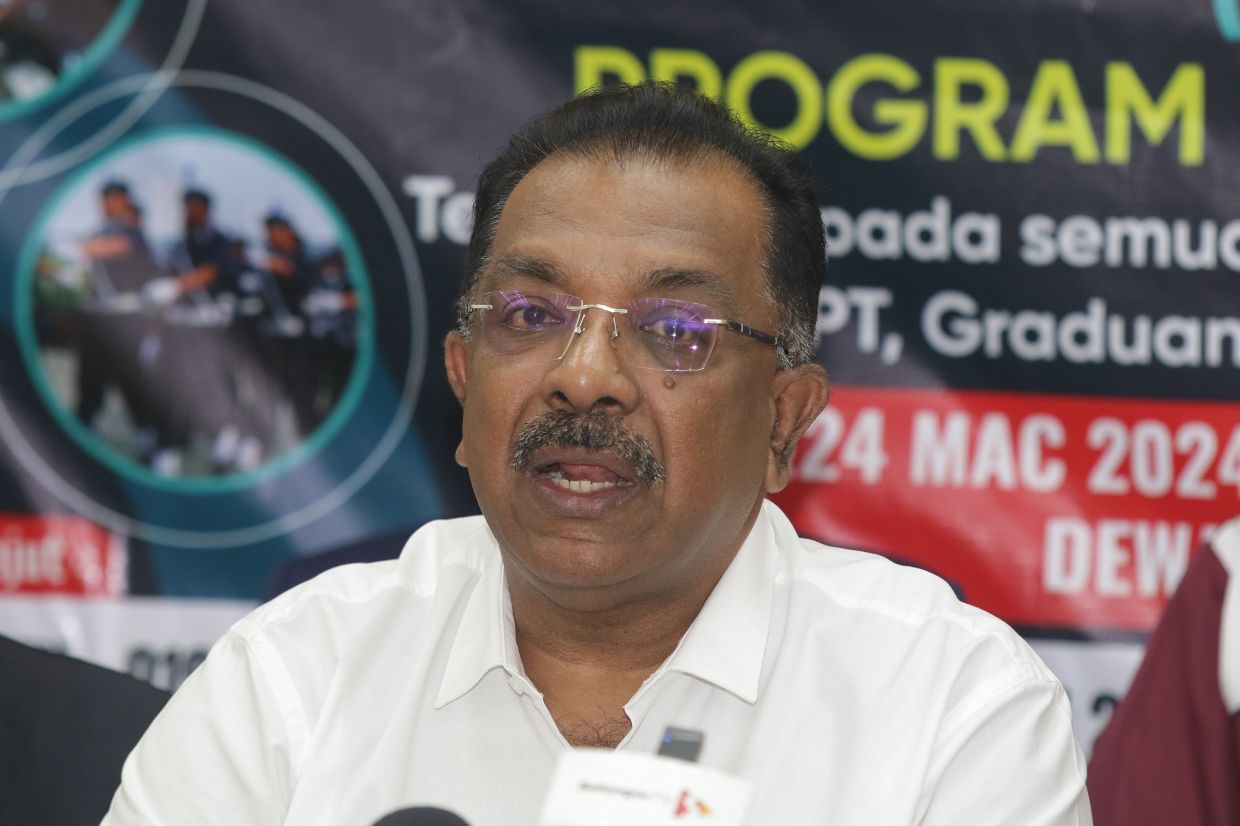
The rapid urbanisation sweeping Selangor is creating a collision between two competing interests: the state's growth trajectory and the preservation of established religious sites that have served communities for generations. This tension came into sharp focus during a debate session at the Selangor state assembly in Shah Alam on Wednesday, when Sentosa assemblyman Gunaraj George called for a more systematic approach to resolving disputes involving Hindu temples and other non-Muslim places of worship facing pressure from residential and commercial development.
Gunaraj's intervention highlights a deepening problem across Malaysia's most developed state. Temples that were originally constructed decades ago with the explicit consent of then-landowners to serve emerging residential communities now find themselves caught in legal limbo. As these same areas transform into planned townships and commercial hubs, the religious structures that anchored those communities are suddenly reclassified as problematic or "illegal" occupants—a jarring shift in status that ignores the historical legitimacy of their presence. The issue extends beyond simple property disputes; it strikes at questions of religious freedom, cultural continuity, and the rights of minority communities to maintain their spiritual and cultural infrastructure.
The assemblyman's core argument rests on a recognition that development and community welfare need not exist in opposition. He emphasised that Selangor possesses the administrative capacity and maturity to establish a benchmark for the entire nation by handling such sensitive matters through inclusive dialogue rather than top-down enforcement. This framing is particularly significant given Malaysia's track record of religious tensions and the international scrutiny surrounding minority rights in the country. By positioning the issue as one of mechanism and process rather than ideology, Gunaraj creates space for practical solutions that respect both development imperatives and religious heritage.
Under his proposed framework, disputes over temples would be resolved through structured consultations involving multiple stakeholders: state government agencies, local authorities, landowners, property developers, and the management committees of the temples themselves. This multi-party approach acknowledges that each actor holds legitimate interests and that durable solutions require their voluntary participation. Rather than unilateral decisions by authorities, the mechanism would open disputes to systematic examination from multiple angles—examining land ownership records and historical documentation, analysing planning regulations and zoning issues, and conducting structural and safety assessments where relevant.
The assemblyman stressed that decisions about relocation or demolition should never proceed without thorough investigation of historical context and existing community relationships. Many temples in rapidly developing areas represent investments of labour, capital, and emotional commitment by local populations over several decades. Communities did not establish these institutions in violation of local norms; they did so with the understanding and permission of property owners operating under the legal and regulatory frameworks of their time. The sudden reclassification of such sites as illegitimate creates a sense of injustice and betrayal among devotees and raises broader questions about the security of non-Muslim religious institutions in Malaysia.
Gunaraj's call for structured mechanisms addresses a genuine gap in how Selangor currently manages these conflicts. Without formal procedures, disputes tend to escalate through adversarial channels—temple committees fighting demolition orders, communities mobilising politically, developers pressing ahead with legal entitlements. This approach generates acrimony, erodes public trust in government impartiality, and ultimately weakens social cohesion. A transparent, rule-based mechanism would instead create predictability and allow all parties to understand how decisions would be made. Even when outcomes prove unfavourable to a particular community, a process perceived as fair and reasoned tends to generate greater acceptance.
The broader regional context underscores why Selangor's approach matters. Other Southeast Asian nations have grappled with similar tensions as rapid urbanisation disrupts established settlement patterns and religious infrastructure. Thailand, Indonesia, and the Philippines have all experienced conflicts between development and minority religious rights. Malaysia, as a Muslim-majority nation with constitutional protections for minority religions, has the opportunity to demonstrate how a federal system can balance these competing claims. Selangor, as the nation's wealthiest and most urbanised state, is the natural proving ground for such innovations.
Gunaraj's vision of harmonising development with community preservation also carries economic implications. Religious sites often anchor local identity and community attachment, which themselves generate economic activity through tourism, local commerce, and cultural events. Temple demolitions can disperse communities, weakening these economic ecosystems and sometimes generating long-term social costs that exceed the immediate financial benefits of redevelopment. By incorporating temples into development planning rather than treating them as obstacles, authorities might discover design solutions that preserve religious sites within or adjacent to new projects, creating distinctive, culturally-rooted developments that command premium values.
The call for formal mechanisms reflects broader shifts in governance thinking across Malaysia. Rather than exercising power through administrative discretion, state governments increasingly recognise that transparent, procedural approaches build legitimacy and sustainability. Selangor's relative administrative sophistication and political openness make it well-positioned to pioneer such frameworks. A successful model could influence how other states address comparable tensions between minority religions and development interests, potentially creating a nationwide standard that strengthens religious freedom protections.
For Selangor's predominantly Hindu and other non-Muslim religious communities, the assemblyman's intervention offers both tangible and symbolic value. Tangibly, it signals that their concerns have reached decision-making forums and that resolution mechanisms may soon formalise. Symbolically, it affirms that religious heritage constitutes a legitimate consideration in development planning, not merely an inconvenience to be overcome. This recognition, translated into administrative procedure, could gradually shift how authorities and developers approach sites containing established places of worship, encouraging negotiated solutions over confrontation.

