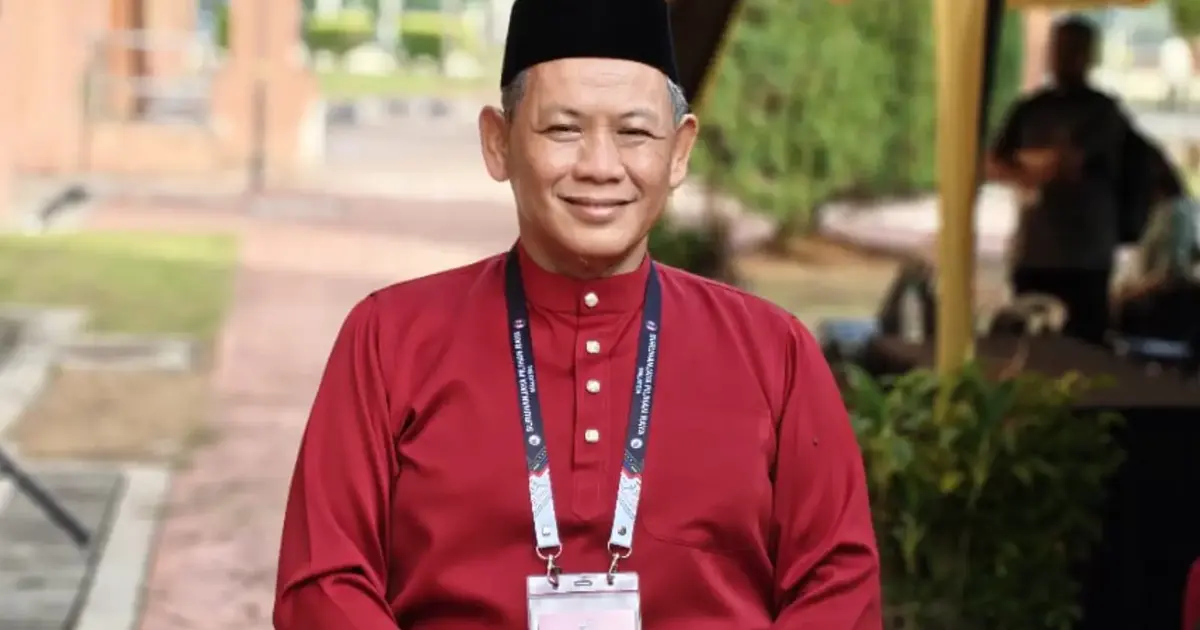
Negeri Sembilan Menteri Besar Aminuddin Harun has entered the electoral fray in the Linggi by-election, setting up a competitive three-way contest in what remains a traditional Umno-Barisan Nasional stronghold. The constituency, long considered a safe seat for the ruling coalition, now faces an unprecedented challenge as Aminuddin's entry transforms the race into a more complex political battle with the incumbent BN representative and a Bersatu newcomer vying for the same seat.
Faizal Ramli, the incumbent Barisan Nasional candidate, secured victory in this Malay-majority constituency during the 2023 general election, capitalizing on the demographic composition that has historically favoured the traditional alliance. His previous triumph demonstrated the continued grip that BN maintains over the seat, yet the by-election now presents an opportunity for opposition and splinter forces to test whether dissatisfaction with the current administration has grown sufficiently to shift voter behaviour in a constituency that had appeared locked into the BN column.
The entry of Bersatu into the contest adds further complexity to an already intricate political landscape. As a party that was once part of the Umno-led government before splitting away, Bersatu brings an insider's understanding of BN's machinery whilst positioning itself as an alternative for voters seeking change. This dynamic creates potential for vote fragmentation that could reshape the electoral mathematics significantly, particularly if anti-BN sentiment is strong enough to overcome the historical voting patterns that have defined Linggi.
Aminuddin's candidacy represents a significant strategic move by his political coalition, bringing a sitting executive member into the contest to elevate the campaign's profile and credibility. As Menteri Besar of Negeri Sembilan, he carries executive gravitas and a record of governance that extends beyond Linggi's borders, though this prominence also invites scrutiny of his state administration's performance and achievements. His participation signals that his coalition views Linggi as winnable and believes the political climate has shifted sufficiently to challenge BN's traditional dominance in Malay-majority seats.
The Linggi constituency's demographic profile as a Malay-majority area has historically aligned with Umno and BN's political messaging and coalition structure. Religious and cultural issues, which typically resonate strongly in such constituencies, have traditionally favoured the ruling coalition's framing and policies. However, economic dissatisfaction, inflation concerns, and evolving political allegiances among younger voters have in recent years begun to complicate these traditional electoral patterns, potentially creating openings for opposition and alternative candidates.
This by-election occurs within the broader context of Malaysian politics undergoing significant realignment. The fluidity between different political camps, the rise of internal party competition, and shifting voter priorities have made previously safe seats increasingly vulnerable to challenge. Linggi's status as a by-election rather than a general election also means turnout dynamics may differ substantially, potentially favouring whichever camp can mobilise its core supporters more effectively than usual.
The three-way contest presents distinct strategic challenges for each candidate. Faizal must defend his 2023 mandate whilst contending with two credible alternatives who can divide anti-BN votes or appeal to specific segments within the constituency. Aminuddin must establish clear differentiation from Bersatu whilst building a coalition of voters dissatisfied with the current government. Bersatu faces the difficult task of carving out a distinct identity separate from both the BN government it once led and the opposition forces it opposes on certain issues.
For Malaysian politics more broadly, the Linggi by-election serves as a crucial barometer of voter sentiment towards the current political establishment and government performance. Results here could provide important indicators about the durability of BN's support in Malay-majority constituencies, a critical demographic segment for any governing coalition. A strong showing by either opposition candidate would suggest that dissatisfaction with the government extends even into traditionally safe territories, potentially forcing adjustments to political strategies ahead of the next general election.
The campaign dynamics in Linggi will likely reflect nationwide political conversations about economic management, religious affairs, and governance effectiveness. These issues resonate particularly strongly in Malay-majority constituencies where religious sensitivities and identity politics carry substantial weight in voter calculations. The manner in which each candidate addresses these fundamental concerns will significantly influence the eventual outcome and shape perceptions about political trends across the country.

