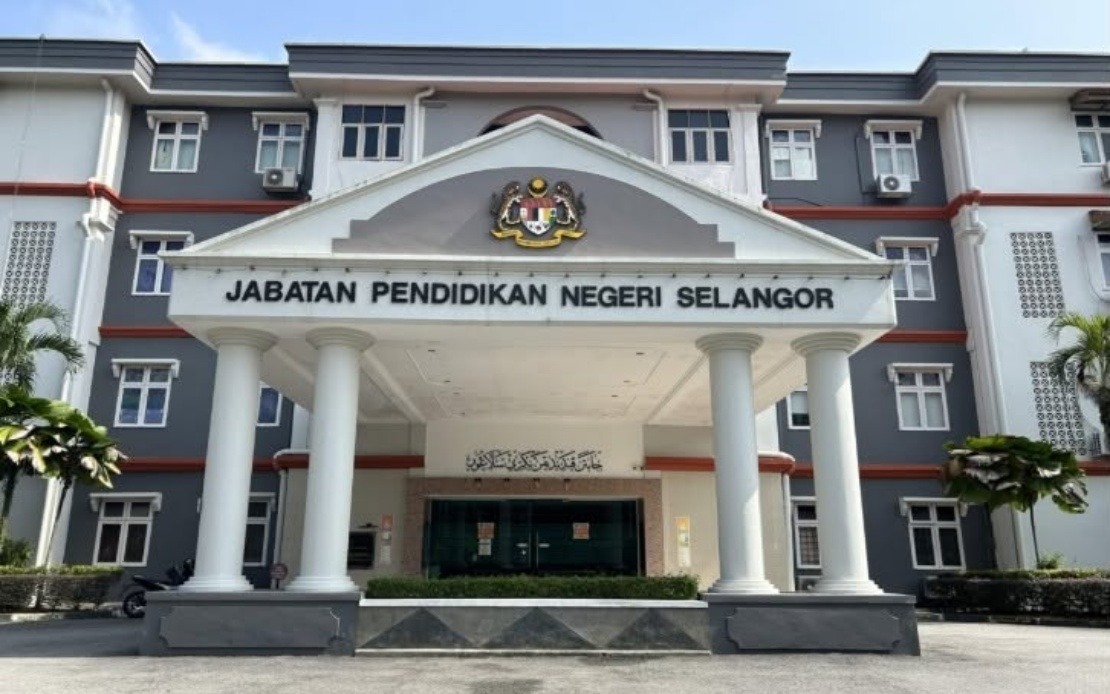
The Selangor State Education Department has committed to conducting a comprehensive investigation into an alleged bullying incident at a secondary school in Rawang that recently captured public attention after video footage circulated widely across social media platforms. The department's statement, issued on July 12, underscores its determination to address the matter with urgency and thoroughness, signalling zero tolerance for any form of student misconduct that jeopardises the safety and welfare of pupils in the state's schools.
Official communications from the Selangor JPN make clear that no individual connected to the incident will receive preferential treatment or protection as investigations proceed. This assurance is particularly significant given ongoing concerns about accountability in institutional responses to school-based violence. The department has indicated that consequences will be administered strictly in accordance with existing educational regulations and disciplinary frameworks, reinforcing its commitment to maintaining standards of conduct across the state's education system.
The viral nature of the incident highlights how social media has become a critical mechanism for exposing misconduct within schools, forcing authorities to respond publicly and demonstrating the growing power of online platforms in holding institutions accountable. When such videos gain traction, they create immediate pressure on educational authorities to be seen as responsive and decisive, which the Selangor JPN appears to have recognised in its swift public positioning on the matter.
The involvement of police in the investigation represents an escalation beyond internal school disciplinary procedures, suggesting the alleged bullying may have involved physical violence or other serious conduct warranting formal law enforcement involvement. This multi-agency approach—combining police investigation with educational department oversight—is becoming standard practice in Malaysia when incidents reach public prominence, ensuring both criminal liability and institutional accountability are properly examined.
For parents and guardians across Selangor, the public commitment from the education department offers some assurance that institutional responses are being calibrated beyond routine handling. However, it also reflects a broader challenge facing Malaysian schools: the prevalence of bullying and peer violence that occasionally escalates to levels requiring police intervention rather than remaining contained within school disciplinary structures. This pattern suggests systemic issues in how schools manage student behaviour and conflict resolution.
The department's explicit call for public respect of the investigative process reveals sensitivity to the potential for social media to prejudge outcomes before facts are established. While transparency and accountability are important, premature public judgment can complicate investigations and potentially violate the privacy rights of minors involved. The Selangor JPN appears to be attempting to balance these competing demands by affirming its seriousness while requesting restraint from public commentary.
Rawang, as a rapidly developing township in Selangor's Hulu Langat district, has experienced significant demographic growth, which can create challenges for school administration in managing larger student populations and maintaining disciplinary consistency. The infrastructure and resources available to schools in such areas often struggle to keep pace with enrolment growth, potentially affecting the pastoral care systems that help identify and intervene in bullying situations before they escalate.
The incident also occurs within a broader Malaysian context of increasing concern about school violence and bullying, with previous high-profile cases generating substantial public debate about institutional safeguarding and the adequacy of current regulations. Educational authorities nationwide are under heightened scrutiny to demonstrate that they take these issues seriously, and the Selangor JPN's positioning reflects this pressure to be seen as decisive and principled.
The implications of this case extend beyond the immediate individuals involved. How authorities handle the investigation and subsequent actions will set precedents for how similar incidents are managed across Selangor schools, potentially influencing policy approaches and enforcement consistency. Schools in the state will be watching closely to see whether the stated commitment to strict action translates into meaningful consequences, or whether outcomes reflect the sometimes lenient treatment that has characterised previous high-profile bullying cases in Malaysia.
Going forward, the Selangor JPN may consider using this case as a catalyst for broader preventive initiatives, including enhanced staff training in recognising bullying behaviours, improved reporting mechanisms that encourage early intervention, and support systems for both victims and perpetrators. Many experts in child welfare suggest that punitive approaches alone are insufficient; comprehensive anti-bullying frameworks that address root causes and provide rehabilitation show better long-term outcomes.
For students and parents throughout Selangor, this case underscores the importance of maintaining open communication channels about school experiences and peer relationships. The fact that the incident gained viral attention suggests that students or concerned individuals felt compelled to document and share content externally, possibly because internal reporting mechanisms were considered inadequate or unresponsive. This indicates a potential gap in how schools facilitate safe disclosure of misconduct.
The educational department's commitment to full cooperation with police demonstrates recognition that bullying can constitute criminal conduct beyond mere disciplinary matters. This approach aligns with evolving understanding of school safety as a matter requiring coordination between educational, law enforcement, and sometimes welfare authorities. The precedent being set here may influence how future serious incidents within schools are handled across the state and potentially influence broader national approaches to school safety and student protection.

