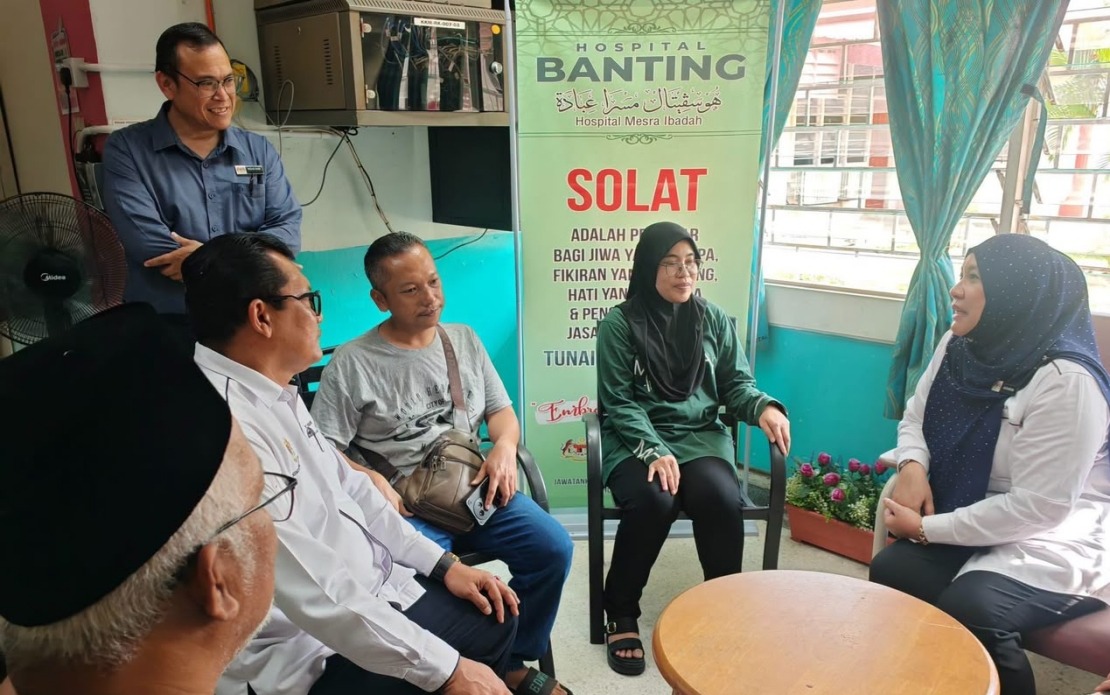
The Selangor State Education Department (JPN) made an official visit to Banting Hospital on Sunday to see a female secondary school student recovering from a stabbing attack. Department director Wan Nor Ashikin Abu Kassim led the delegation, which met with the injured student and her parents to convey institutional support during the trauma. The gesture underscores growing concerns within Malaysian education authorities about violent incidents affecting students, a recurring challenge that has prompted heightened security reviews across public schools.
The 15-year-old victim, a Form Three student, sustained significant injuries in the attack at her secondary school in Kuala Langat. Her father revealed that she had endured a punctured lung and approximately 16 stab wounds, injuries serious enough to require ongoing hospitalisation. Such severity of trauma highlights the disturbing nature of the incident and raises broader questions about safety protocols and mental health support systems within school environments across Selangor and the nation.
During the hospital visit, Wan Nor Ashikin expressed the department's concern for the student's wellbeing and offered encouragement for her recovery. The JPN subsequently posted updates on social media, emphasising that the department remains committed to collaborating with the student's family, medical staff at Banting Hospital, and law enforcement and other government agencies involved in investigating the matter. This coordinated response reflects institutional awareness that such incidents require multi-agency cooperation and sustained support for affected families.
Police have apprehended the suspect believed responsible for the stabbing. The individual was remanded for four days beginning Monday, a standard procedural step in serious assault investigations. The remand period allows investigative teams time to gather evidence, interview witnesses, and prepare charges. The swift police response demonstrates the seriousness with which authorities are treating the case, though questions remain about what circumstances or warning signs may have preceded the violent incident.
The incident has reignited discussions about school safety in Malaysia. Secondary schools are supposed to be secure environments where students can focus on their education without fear of violence. Yet stabbing incidents involving students, while statistically uncommon, have emerged periodically across different states, prompting recurring calls from parents, educators, and policymakers for improved security measures. These measures typically include enhanced screening at school entrances, trained security personnel, counselling services, and clearer protocols for identifying and supporting at-risk students.
For the Selangor JPN, the focus now extends beyond the immediate incident to broader institutional resilience. The department's statement indicated prayers for the student's complete recovery and a commitment to easing difficulties for the family during this period. Such pastoral responses are essential, particularly given the psychological impact that violent incidents have on entire school communities, not merely the direct victim. Classmates, friends, and staff members all require support to process trauma and maintain confidence in their school environment.
The incident also highlights questions around student behaviour management and early intervention systems. Schools increasingly require mechanisms to identify students experiencing psychological distress, bullying, or social isolation—factors that can sometimes precede violent actions. Counsellors, teachers, and administrators need adequate training and resources to recognise warning signals and provide preventive support. The gap between available services and actual student need remains a concern in many Malaysian schools, particularly in smaller towns and rural areas.
Parental and community response will significantly shape the aftermath. Trust in the school's safety must be rebuilt through transparent communication about security improvements and investigation outcomes. The JPN's visible engagement, through the director's hospital visit, sends a message that institutional leadership takes such matters seriously. However, sustained actions—from enhanced building security to mental health resources—must follow symbolic gestures to restore genuine confidence.
The four-day remand period will allow investigators to establish whether the attack was premeditated, whether previous conflicts between the suspect and victim existed, and whether any external factors or peer dynamics contributed. These details are crucial not only for determining appropriate charges but also for understanding systemic vulnerabilities that may have been exploited. Police will likely interview school staff, students, and family members to construct a comprehensive account.
As news of the incident spreads, other schools and parents across Selangor and beyond will inevitably conduct their own safety audits. Administrators will review entrance protocols, staff training, and counselling availability. Parents may seek reassurance that their children attend schools with adequate protective measures. The ripple effects of such incidents extend beyond the immediate community, influencing educational conversations nationally. Schools must balance open, welcoming environments with reasonable security measures—a delicate equilibrium that remains challenging to achieve consistently.

