The Selangor government is making headway in formally recognising indigenous communities across the state, with more than half of the 74 registered indigenous villages currently undergoing the gazetting process. V. Papparaidu, who chairs the state's human resources and poverty eradication committee, signalled optimism that substantial progress would materialise before the calendar year closes, marking a significant step forward in legitimising the land rights and administrative status of these longstanding settlements. The initiative reflects growing state-level attention to indigenous welfare and land security, issues that have periodically surfaced in Malaysian policy discourse but frequently languish due to bureaucratic complexity and competing land claims.
Gazetting indigenous villages represents a formal recognition process that establishes legal boundaries and administrative frameworks for these communities, conferring greater protection against arbitrary displacement and providing clearer pathways for service delivery. The move addresses a longstanding grievance among indigenous populations across Peninsular Malaysia, who have historically experienced tenure insecurity and limited access to state resources. For Selangor specifically, where rapid urbanisation and industrial development have intensified pressure on traditional lands, the gazetting initiative takes on particular urgency. The state contains substantial Orang Asli populations, particularly in peripheral areas like Hulu Selangor, where traditional settlement patterns intersect with modern land-use classifications.
However, the gazetting process has encountered friction arising from overlapping land claims and existing statutory designations. Papparaidu acknowledged that several indigenous villages sit within Malay reserved land zones, a constitutional classification that complicates formal recognition procedures. Malay reserved lands, designated under Article 89 of the Federal Constitution, are theoretically reserved for Malay and Muslim occupancy, creating a legal tension when indigenous communities occupy the same territory. This collision of land categories reflects a deeper structural problem in Malaysian land administration, where multiple layers of customary, indigenous, religious, and state tenure systems often overlap without clear mechanisms for resolution. The Selangor government's commitment to work alongside district officers suggests a collaborative approach to untangling these jurisdictional knots, though the success of such efforts remains contingent on willing cooperation from federal land authorities and state Islamic bodies.
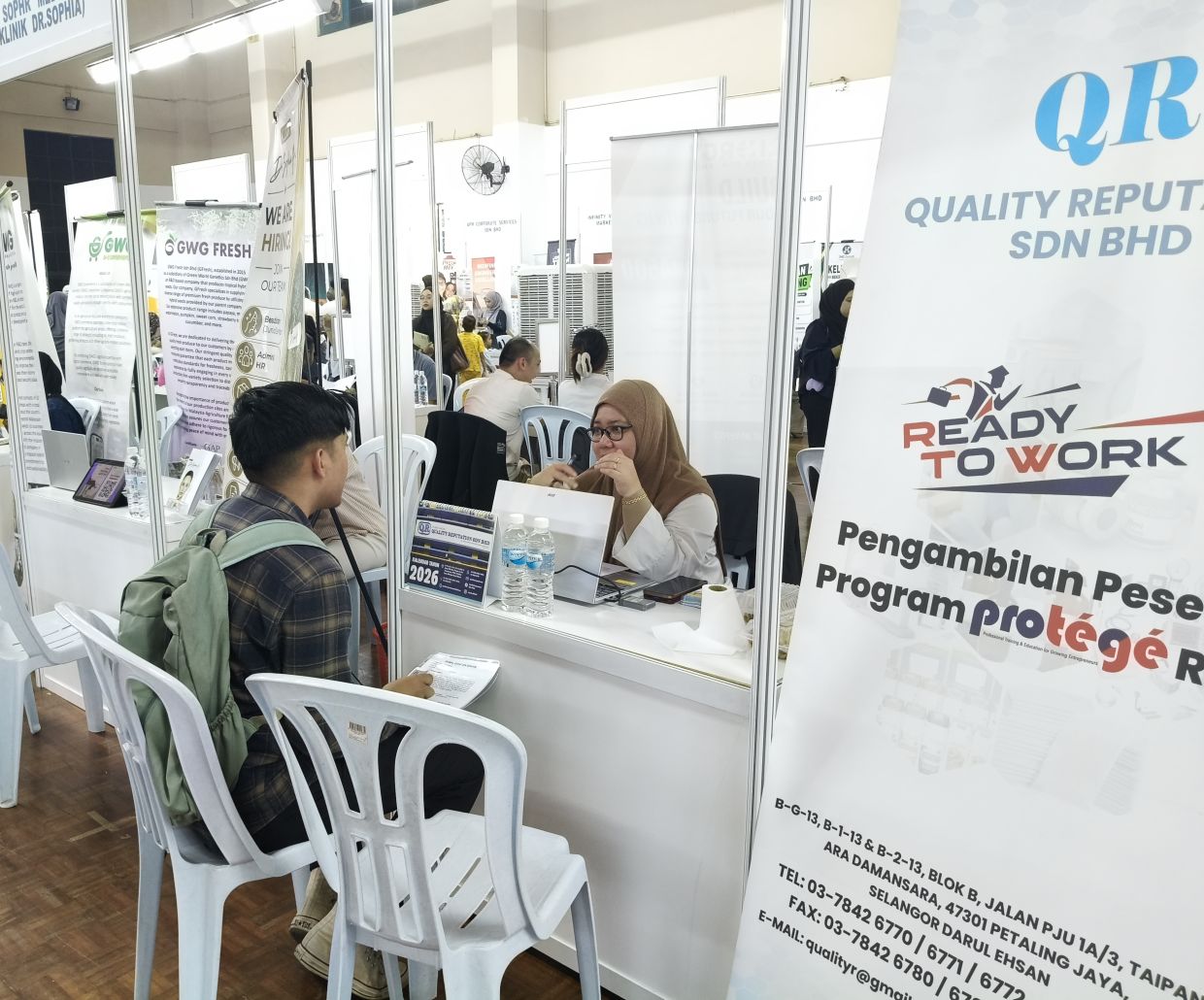
Beyond the technical challenges of land recognition, Selangor's broader developmental agenda for indigenous communities encompasses skills training and employment integration. The state technical skills development programme aims to equip younger residents with marketable competencies, addressing the stark reality that many indigenous youth face limited economic opportunities in their immediate localities. The JobCare Selangor job carnival, held concurrently with the indigenous village initiative at Bukit Beruntung, exemplified this dual approach by offering 5,785 positions across 38 employers. The carnival itself doubled as a practical intervention, allowing job seekers to engage directly with recruiters and navigate career pathways without navigating distant urban job markets.
The employment landscape painted by the carnival statistics reveals sectoral concentration and regional disparity. Manufacturing dominated vacancies with 2,560 openings, reflecting Selangor's continued role as Malaysia's industrial powerhouse, though the state's manufacturing base has increasingly shifted toward higher-value assembly and technology-intensive production. The geographic distribution of roles—5,005 in Selangor against smaller contingents in Perak and Negri Sembilan—suggests that peripheral areas like Hulu Selangor residents would need to commute or relocate to access the bulk of advertised opportunities. Salary data indicated that nearly two-thirds of positions offered monthly compensation exceeding RM2,500, a threshold that broadly aligns with Malaysia's median household income but remains challenging for workers without formal qualifications or secondary education.
Particularly noteworthy was Papparaidu's reference to skills certification initiatives targeting unqualified teachers. The three-month course enabling 20 to 30 educators to obtain a level 4 Malaysian Skills Certificate addressed a micro-but-meaningful gap in the education workforce. Many school teachers, particularly in rural and indigenous areas, entered the profession directly after secondary education without formal teacher training due to family circumstances or economic necessity. Formalising their qualifications through accelerated diploma equivalency programmes not only improves their earning capacity and professional standing but also signals the state's pragmatic approach to human capital development. Such initiatives tacitly acknowledge that rigid credentialism often excludes capable workers with practical experience, and that targeted upskilling can unlock productivity gains and social mobility.
The JobCare carnival also featured supplementary programmes addressing specific demographic cohorts facing employment barriers. Talent Corporation Malaysia Berhad's career comeback initiative targeted mothers seeking workforce re-entry after caregiving breaks, recognising that Malaysia's female labour participation remains below regional peers partly due to insufficient support for work-life balance. The Social Security Organisation's resume review service provided foundational assistance with application materials, a service that may seem basic but addresses information asymmetries that disproportionately affect job seekers from undereducated households or communities with limited exposure to formal labour markets.
The conjunction of indigenous village gazetting, skills development, and employment fairs reflects an integrated policy vision, albeit one that faces implementation challenges. Gazetting villages addresses legal recognition and land security, fundamental prerequisites for stable community development. Skills training and employment linkages address economic participation and income generation, the immediate concerns of younger cohorts. Together, they suggest Selangor's intent to move beyond symbolic gestures toward substantive improvements in indigenous welfare, though success hinges on sustained bureaucratic commitment and resource allocation across multiple government departments and timeframes.
For Malaysian policymakers elsewhere, Selangor's experience offers instructive lessons and cautionary notes. The gazetting bottleneck—with over half of villages still in process after presumably months or years of effort—underscores the administrative drag inherent in formalising indigenous land tenure. The land zoning conflicts highlight unresolved constitutional questions about competing indigenous and Malay-Muslim land rights. The skills and employment initiatives demonstrate that incremental human capital improvements can occur alongside structural land reforms, yet their impact remains modest without addressing underlying educational deficits and geographic isolation. Observers will watch whether Papparaidu's year-end target materialises, and whether employment outcomes for indigenous participants match those of the broader workforce.

