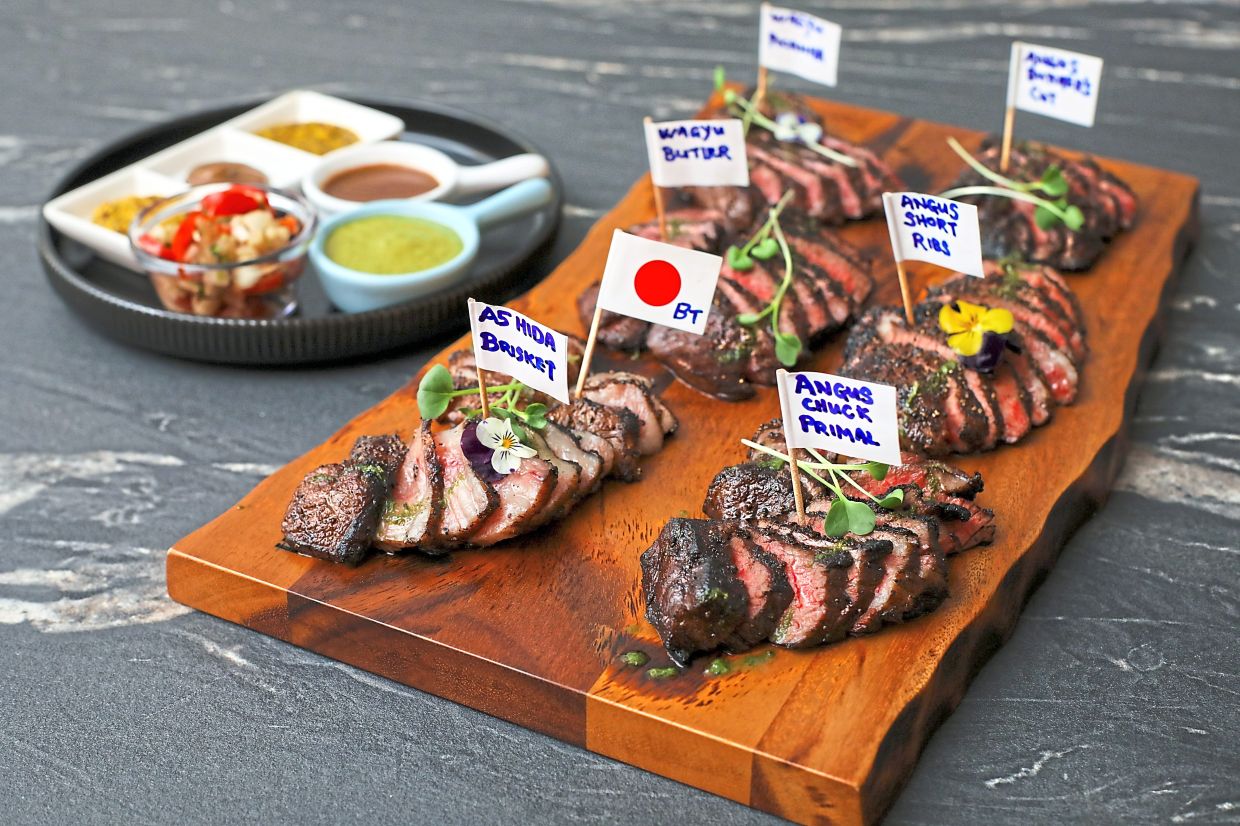
The transformation of Malaysia's beef culture is happening quietly but decisively in restaurant kitchens across the Klang Valley, where chefs like Yenni Law at Petaling Jaya's Meat Feds are rewriting the script on what constitutes a premium dining experience. Law, who was recognised by Malaysia Book of Records earlier this year for offering 20 different secondary beef cuts on her menu, has become emblematic of a broader shift taking root among both established and emerging restaurateurs. What was once considered offal or filler material—the cuts that didn't make the premium showcase—is now being treated with the same reverence traditionally reserved for striploin and tenderloin.
The mathematics of beef utilisation helps explain this gradual awakening. While the celebrated prime cuts account for merely 8 to 10 per cent of a cow's total yield, secondary cuts represent the remaining 80 to 90 per cent. For decades, this vast proportion has been relegated to minced meat production and processed products, meaning most Malaysian diners have never consciously tasted what these portions actually offer. The holy trinity of striploin, tenderloin and ribeye has so dominated restaurant menus that an entire universe of flavour possibilities has remained largely unexplored by both chefs and consumers alike.
Educational initiatives have proven remarkably effective catalysts for change. Meat & Livestock Australia, working alongside local distributors like Lucky Frozen Sdn Bhd, has orchestrated seminars, masterclasses and tasting events that reframe secondary cuts not as budget alternatives but as worthy stars in their own right. These sessions have given restaurant teams hands-on training in the technical art of butchering—identifying sinew from fat, removing silver skin, and understanding which cuts respond best to particular cooking methods. Law herself has attended multiple sessions specifically to validate her processing techniques and ensure her team stays current with best practices from international experts.
The economic pressure driving this transition cannot be overlooked. Global beef shortages and the cascading effects of international commodity price movements have created a squeeze on restaurant margins that was simply unsustainable when prime cuts form the backbone of the offering. Secondary cuts have proven far more resilient to inflationary pressures, with price increases hovering around 10 per cent compared to the 30 per cent jump in premium cuts. This pricing differential—secondary cuts can cost 20 to 60 per cent less than their prime counterparts—translates into hundreds of ringgit in savings per serving, fundamentally altering the economics of beef service.
Desmond Chong, head chef at the woodfire grill restaurant Ignis KL, articulates precisely how supply constraints have forced a recalibration of thinking throughout the industry. Prime cuts have simply become unreliable from a stocking perspective, and when availability becomes sporadic, chefs must either accept reduced revenue or diversify their protein offering. The secondary cuts category includes flat iron from the shoulder, flank from the abdominal muscles, rump from the hindquarters, hanging tender and outside skirt from the diaphragm, and picanha from the top rump cap—each with distinct characteristics that reward understanding.
The textural and flavour case for secondary cuts extends well beyond economics. These cuts often deliver more pronounced bovine character than the milder, more tender prime options, creating dishes with greater complexity and personality. At Law's restaurant, a multi-cut platter showcasing butcher's cut, chuck primal, brisket and short rib demonstrates how different preparations unlock varied bite, chew and tenderness profiles. Similarly, Chong's charcoal-fired short ribs and flat iron steaks achieve beautifully caramelised exteriors with silken interiors that rival premium cuts without the associated pretension or cost.
This pattern of culinary innovation and market transformation has historical precedent in other cuisines and ingredients. The story of Norwegian salmon in Japan provides an instructive parallel. During the 1980s, Norway's government launched an intensive marketing campaign to introduce salmon to Japanese chefs, who initially dismissed it as unsuitable for traditional preparations. Through education, demonstration and persistent engagement, salmon gradually gained acceptance, eventually becoming the dominant sushi topping in Japan today. The mechanism was identical: systematic effort to reshape perceptions about what belonged in elite culinary contexts.
Valeska V, regional manager for South-East Asia for Meat & Livestock Australia, identifies the evolution of chef sophistication as crucial to this transition. Prime cuts command appeal precisely because they are forgiving—relatively simple to prepare and reliably tender. As both professional kitchens and diners develop more refined palates, the appeal of technically demanding cuts with distinct flavour profiles increases substantially. The shift also reflects a maturation in how the market views value, moving beyond simple tenderness metrics toward considerations of taste complexity and textural interest.
Practical challenges remain formidable. Secondary cuts demand considerably more technical skill than prime options, requiring chefs to become proficient at identifying and removing the various connective tissues, sinew and fat layers that distinguish raw material from finished product. This learning curve has historically discouraged adoption, as busy kitchens resist techniques that consume additional labour and require retraining. However, as more chefs like Law systematically document their methods and as industry organisations provide structured education, these barriers are gradually eroding.
The resilience argument carries particular weight for Malaysian hospitality businesses navigating volatile global commodity markets. When the entire beef supply chain becomes subject to geopolitical shocks and inflationary pressures, utilising the whole carcass and developing expertise across a broader range of cuts provides genuine strategic protection. James See, business development director at Lucky Frozen Sdn Bhd, characterises this diversity as a fundamentally sound approach to long-term stability in beef consumption, reducing dependency on increasingly expensive premium portions.
What began as a necessity imposed by supply constraints is crystallising into genuine culinary preference. The combination of improved accessibility through education, economic pressure that eliminates the luxury of restriction, and the discovery that secondary cuts deliver distinctive sensory experiences is reshaping Malaysian fine dining. The transformation remains early stage, concentrated primarily in the Klang Valley's mid-range and high-end establishments, yet the momentum is unmistakable. Within a few years, beef menus that exclude secondary cuts may themselves seem narrow and unimaginative.

