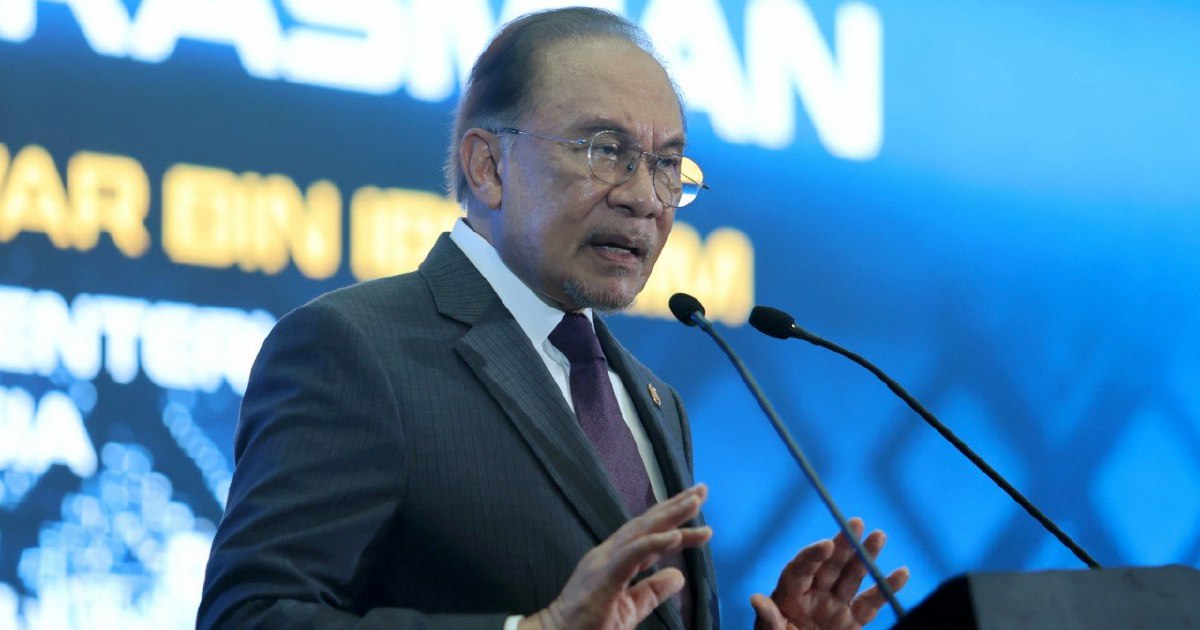
Prime Minister Datuk Seri Anwar Ibrahim has issued a stark warning to schools across the country that concealing bullying incidents to preserve their institutional standing is unacceptable, reiterating that protecting vulnerable students must take priority over reputational concerns.
The statement, delivered in Nilai, reflects growing concern about the tendency of some educational establishments to downplay or hide reports of student-on-student harassment and violence. Anwar's remarks underscore a critical tension that exists within Malaysia's education system: the desire to maintain a school's public image versus the moral and legal obligation to address student welfare issues transparently and decisively.
The Prime Minister's intervention highlights a broader pattern observed in schools nationwide, where administrators sometimes view bullying allegations as potential threats to enrolment numbers, government funding allocations, and community perception. Rather than addressing incidents head-on, some institutions have opted for quiet internal resolutions that leave aggravated students and their families without recourse or confidence that systemic change will occur. This approach, Anwar suggests, creates a culture where bullying continues unchecked because perpetrators face minimal consequences and victims remain isolated.
Effective action against bullying requires schools to report incidents through proper channels, involve relevant authorities when necessary, and implement corrective measures that are visible to the school community. By doing so, educational leaders demonstrate commitment to student safety rather than institutional self-protection. The message carries particular weight given Malaysia's ongoing challenges with school violence, ranging from physical altercations to cyberbullying that extends beyond campus boundaries into social media platforms where monitoring and intervention become even more complex.
Malaysian parents and education advocates have long called for greater transparency from schools regarding disciplinary matters. Many families feel that incidents are minimised or forgotten once reported, leaving them uncertain about whether their children remain safe. When schools handle cases discreetly without apparent follow-up, trust erodes and parents lose confidence in the institution's ability to fulfil its duty of care. Anwar's statement validates these concerns and positions the government firmly on the side of accountability.
The timing of the Prime Minister's remarks is significant given recent high-profile cases of school bullying that have received media attention and public outcry. These incidents often reveal patterns of repeated misconduct that could have been addressed earlier had previous incidents been properly documented and acted upon rather than swept aside. The cumulative impact of hidden cases means that dangerous behaviours escalate, sometimes resulting in serious injury or emotional trauma that could have been prevented through timely intervention.
Implementing transparent bullying protocols requires schools to establish clear reporting mechanisms accessible to students, parents, and staff, alongside trained personnel equipped to investigate allegations fairly and compassionately. Schools must also maintain detailed records of incidents and interventions, recognising that this documentation serves not as ammunition for external judgment but as essential evidence that the institution takes student welfare seriously. When handled properly, transparency actually strengthens a school's reputation by demonstrating institutional integrity and commitment to continuous improvement.
The Prime Minister's message also extends implicitly to parents and community members, encouraging them to report suspected bullying rather than accepting assurances that issues will be handled quietly. A culture of openness depends on stakeholders understanding that bringing concerns forward serves students' collective interests rather than damaging the school. Education authorities at both state and federal levels must similarly resist pressure to suppress data about bullying prevalence, which would undermine evidence-based policy-making and resource allocation.
Moving forward, Malaysia's education system requires comprehensive guidelines that mandate schools to document and report bullying incidents while protecting the privacy of students involved. Teacher training programmes should emphasise early intervention and de-escalation techniques, recognising that adults who witness bullying bear responsibility for addressing it rather than ignoring it. Parents too require education about signs of bullying and appropriate escalation procedures when school-level responses prove inadequate.
Anwar's statement represents a pivotal moment in shifting the conversation from institutional self-interest to genuine student protection. By framing transparency as a strength rather than a weakness, the Prime Minister establishes a philosophical foundation upon which more robust anti-bullying policies can be built. The challenge now lies in ensuring that schools throughout the country—from prestigious private institutions to government-funded public schools—translate this guidance into sustainable practice, creating environments where all students feel genuinely safe and supported.

