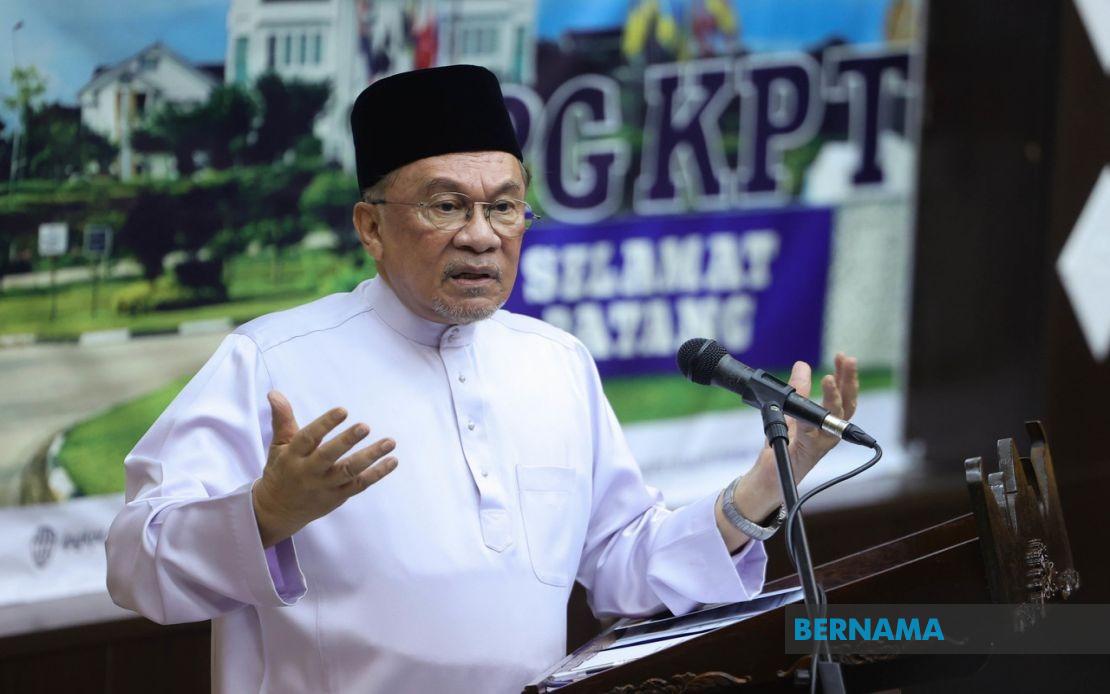
Prime Minister Datuk Seri Anwar Ibrahim has issued a stark warning to Malaysian schools against concealing bullying incidents to preserve their reputation, insisting that transparent reporting and immediate intervention must take priority over institutional image-management. Speaking in Nilai on July 17, Anwar stressed that the culture of silence surrounding school bullying undermines victim protection and allows systemic abuse to persist unchecked. He made clear that educational leaders who choose to hide such cases commit a graver institutional failure than those who acknowledge problems and act decisively.
Anwar's candid remarks signal growing concern within the highest echelons of government about how schools handle discipline and safeguarding. His framing deliberately challenged the prevailing institutional logic that treats bullying reports as reputational damage requiring suppression rather than operational challenges requiring remedy. By suggesting that principals and headteachers face no blame for reporting genuine bullying cases, he sought to dismantle the perverse incentive structure that encourages concealment. This message carries particular weight given Malaysia's persistent challenges with school violence, ranging from physical altercations to psychological harassment.
The Prime Minister illustrated his point through a deliberately provocative hypothetical: a school enrolling 1,000 students that reports two bullying incidents should not be penalised or judged harshly. Rather, institutional failure occurs when administrators are aware of bullying but take no action and actively conceal the incidents from parents, education authorities, and the broader community. This distinction cuts to the heart of institutional accountability, separating transparency and responsiveness from negligence and complicity. Anwar's intervention suggests that the Education Ministry and his office have received sufficient complaints or evidence of suppressed cases to warrant direct prime ministerial engagement on the issue.
Education Minister Fadhlina Sidek's presence at the event underscored the government's coordinated stance on this matter. The joint appearance signalled that bullying prevention and victim protection would receive heightened attention and oversight at policy level. For school administrators, the message was unambiguous: the government would hold them accountable not merely for the occurrence of bullying, which may reflect broader social factors, but for their institutional response and transparency in managing such incidents.
Anwar articulated a deeper concern about character formation and moral development within Malaysian schools, arguing that persistent bullying reflects a systemic failure to cultivate ethical foundations among students. Despite Malaysia's relatively widespread access to religious education compared to previous generations, he observed that bullying behaviour persists, suggesting that knowledge of religious principles has not translated effectively into lived values of compassion and respect. This gap between theoretical instruction and practical behaviour indicates that schools require more sophisticated approaches to moral and character education beyond traditional curriculum delivery.
The Prime Minister challenged the conventional hierarchy of educational success that privileges academic achievement and technical expertise above interpersonal values and ethical conduct. His rhetorical question—what value exists in producing graduates with advanced qualifications but deficient in empathy and respect for others—resonated with growing international concerns about holistic education. In Malaysia's context, where many families invest heavily in their children's academic prospects, Anwar's intervention attempted to rebalance societal expectations toward character development as an equally legitimate educational outcome.
Anwar attributed substantial responsibility to the teaching profession for creating learning environments that nurture not merely intellectual capability but also moral formation and emotional intelligence. Teachers occupy a unique position to model ethical behaviour, intervene in conflicts, and shape school cultures that either tolerate or actively prevent bullying. His acknowledgment of Malaysia's teaching profession performing at high standards was carefully balanced with an aspirational call for continued improvement, suggesting that professional development in safeguarding and character education requires ongoing investment.
The Prime Minister's remarks carry particular significance for Southeast Asia's broader education landscape. Malaysia has experienced high-profile cases of school violence and bullying in recent years, generating media scrutiny and public concern about institutional safety. Anwar's intervention positions the government as taking victim protection seriously rather than accepting bullying as an inevitable feature of school life. For parents considering school placements, the message offers some assurance that government leadership now actively discourages institutional cover-ups.
Implementing Anwar's directive presents practical challenges for schools. Administrators must develop clear reporting protocols that distinguish between minor conflicts requiring peer mediation and serious bullying requiring formal investigation and potential sanctions. They must establish communication channels enabling students and parents to report incidents without fear of institutional retaliation or dismissal. Overcoming the institutional culture that treats bullying reports as threats requires both structural safeguards and genuine leadership commitment to transparency.
The government's positioning of this issue also reflects evolving international standards regarding child safeguarding. Malaysia's education system operates within a regional and global context where institutional accountability for student welfare increasingly attracts scrutiny from parents, civil society organisations, and international observers. Anwar's intervention aligns Malaysia's official policy with contemporary best practices emphasising victim protection over institutional reputation management. This alignment enhances Malaysia's standing in international education networks and reinforces its commitment to child welfare.
For schools nationwide, the Prime Minister's intervention creates pressure to audit existing policies and practices around bullying. Many institutions may discover inadequate reporting mechanisms, insufficient staff training, or cultural resistance to transparency. Implementing necessary reforms requires investment in professional development, counselling services, and systemic changes to school governance. The Education Ministry will likely follow Anwar's intervention with specific guidelines and oversight mechanisms to ensure compliance.
The sustainability of this policy shift depends on consistent government messaging and investment in supportive infrastructure. If schools subsequently face reputational or administrative consequences for reporting bullying, the Prime Minister's directive loses credibility and transparency declines. Conversely, if government agencies visibly support schools navigating safeguarding challenges and reward transparent reporting, institutional cultures may gradually shift toward protective rather than defensive approaches.
Anwar's intervention ultimately reflects a conviction that education serves broader social purposes beyond credentialing and skill development. By elevating bullying prevention and victim protection to matters of prime ministerial concern, he signalled that character formation and interpersonal respect warrant equivalent priority to academic achievement within Malaysia's education system. Whether schools translate this directive into sustained cultural change remains an open question requiring systematic monitoring and ongoing government commitment.

