Education Minister Fadhlina Sidek has moved to address mounting concerns about the School Pupil Protection Policy, emphasising that it represents a collaborative safety ecosystem rather than a framework that places sole accountability on classroom educators. Speaking through a Facebook post on August 14, Fadhlina outlined how the policy creates a structured mechanism for protecting students by clarifying specific responsibilities across various stakeholders, fundamentally shifting the narrative from individual teacher liability to institutional accountability.
The policy's core intent is to establish transparent guidelines that empower teachers to report suspected child safety issues without requiring them to gather conclusive evidence beforehand. Fadhlina stressed that educators need only harbour reasonable suspicion or receive a complaint to initiate the formal reporting process by notifying school administrators immediately. This approach recognises the practical reality that teachers cannot and should not be expected to conduct investigative work before escalating concerns through proper channels.
The framework extends far beyond schools themselves, encompassing a broader network of government and external agencies. The Ministry of Education coordinates efforts with State Education Departments and District Education Offices, whilst simultaneously engaging with the Royal Malaysia Police, Social Welfare Department, Human Rights Commission of Malaysia, and international bodies like UNICEF. This multi-layered approach ensures that once a report reaches administrators, appropriate authorities determine subsequent steps based on each case's specific circumstances and severity, preventing children from enduring repeated trauma through fragmented or duplicative investigations.
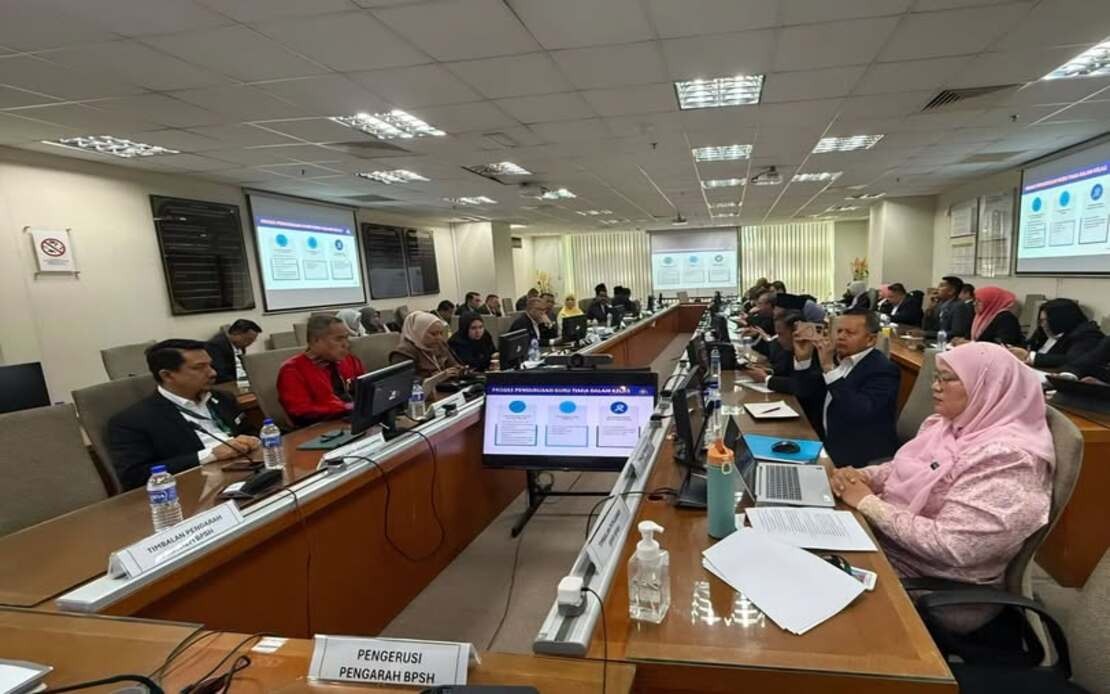
Recognising that a single policy document cannot address every conceivable scenario, the ministry has intensified engagement sessions with key stakeholders including the National Union of the Teaching Profession. These ongoing briefings aim to build educator confidence and clarity about procedural boundaries. Fadhlina acknowledged that continuous dialogue remains essential until teachers fully grasp their roles, understand the limits of their responsibilities, and feel assured about implementing required protocols when confronting incidents of suspected abuse or neglect.
A significant source of teacher anxiety has been the fear of personal legal liability, but Fadhlina provided assurances that the ministry will provide legal assistance where appropriate. The government explicitly positioned the policy as a safeguarding mechanism rather than a fault-finding exercise, rejecting any suggestion that teachers might become convenient scapegoats for systemic failures. This commitment represents an attempt to rebuild trust between educators and policymakers after months of heated debate about implementation challenges.
The policy's development reflects growing international attention to child protection standards in Malaysia's education system. UNICEF's involvement signals alignment with global best practices, whilst SUHAKAM's participation ensures alignment with human rights frameworks. For Malaysian educators already stretched by curriculum demands and administrative burdens, these assurances address fundamental concerns about whether they possess adequate training, resources, and institutional support to navigate sensitive child welfare matters responsibly.
The coordination mechanism outlined by Fadhlina addresses another key criticism from the teaching profession: the risk of children being shuttled between multiple agencies without coherent case management. By designating clear referral pathways and establishing that school administrators serve as initial coordinators, the policy attempts to streamline responses and maintain continuity. This structured approach contrasts sharply with previous systems where teachers sometimes faced conflicting directives from different agencies or uncertainty about which authorities should handle specific situations.
For Malaysian families and communities, the policy represents an attempt to create visible accountability in institutions entrusted with children's care. The explicit involvement of external agencies like the police and social welfare department signals that suspected abuse will trigger formal investigation rather than internal school handling alone. This transparency aims to restore confidence among parents that their children's safety concerns will be treated with appropriate seriousness and professional competence.
The ongoing engagement sessions represent a pragmatic acknowledgement that policy implementation depends fundamentally on educator buy-in and understanding. Teachers cannot be expected to function as frontline child protection workers if they feel confused, unsupported, or liable for investigative shortcomings beyond their scope. By positioning the ministry as a partner rather than enforcer, Fadhlina's statements suggest a recognition that sustainable child protection requires collaborative relationships rather than top-down mandates.
Looking forward, the success of this policy will depend on measurable outcomes: whether reports of suspected abuse increase appropriately, whether investigations remain timely and thorough, and whether teachers genuinely feel supported rather than scapegoated. Southeast Asian education systems have increasingly recognised that child protection frameworks require cultural adaptation and contextualisation. Malaysia's approach, with its emphasis on clearly distributed roles and external agency coordination, offers insights relevant to regional peers grappling with similar policy challenges.
The minister's communications strategy itself merits attention, as she has attempted to reframe the policy narrative from a burdensome compliance exercise to a supportive institutional framework. Whether this messaging successfully reaches frontline educators and alters their perceptions of personal risk and responsibility will ultimately determine the policy's effectiveness in creating safer school environments across the nation.

