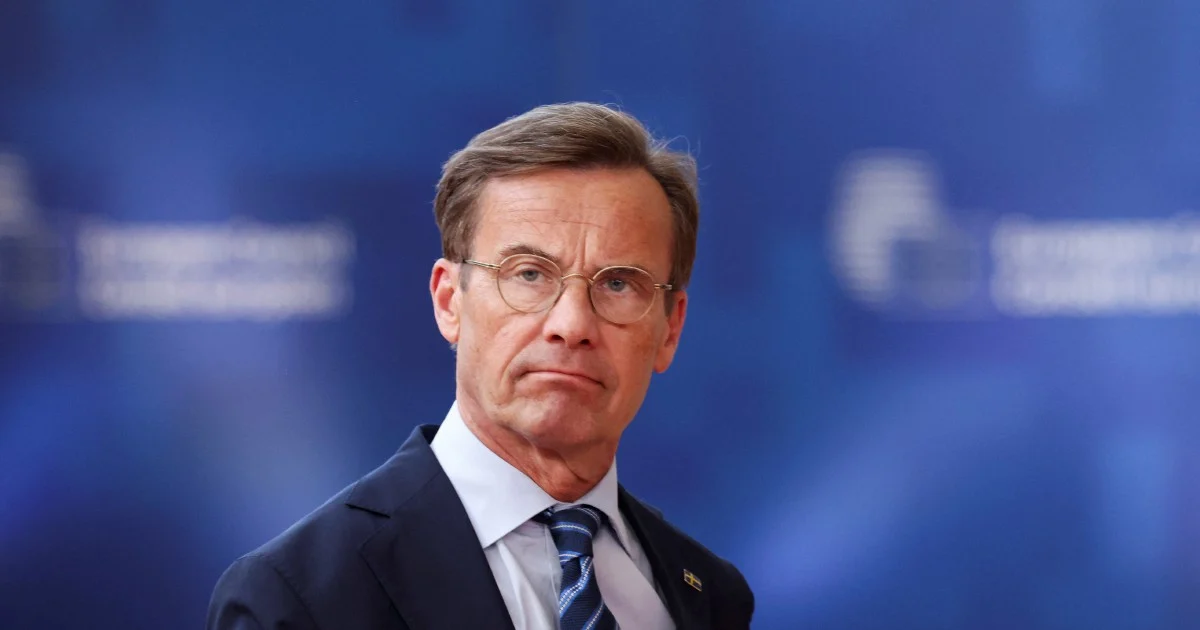
Swedish Prime Minister Ulf Kristersson has managed to remain in office despite an unusual number of scandals throughout his tenure as head of government, and this resilience faces its toughest test yet with fresh corruption allegations emerging with elections looming merely three months away. The pattern of controversy followed by seemingly inconsequential consequences has become a hallmark of his administration, raising questions about the durability of his political coalition and the willingness of Swedish voters to extend his mandate once more.
Kristersson's ability to sidestep serious repercussions from successive scandals reflects a complex political landscape in Sweden where fractious coalition partners have remained dependent on his leadership despite their private misgivings. The centre-right alliance that brought him to power has proven reluctant to trigger the instability that removing him would entail, effectively binding his fate to theirs. This interdependence has shielded him from the kind of immediate accountability that might topple leaders in more unified political systems, creating a buffer against otherwise damaging revelations.
The timing of the latest corruption allegations introduces considerable uncertainty into Sweden's electoral calendar. With the government entering its final quarter before voters render their verdict, the emergence of new charges transforms the political stakes significantly. Rather than fading into the background as previous controversies have done, these allegations now compete directly for public attention during the critical pre-election campaign period. The question confronting Swedish voters is whether patterns of past tolerance will persist or whether cumulative fatigue with scandal might shift the electoral calculus.
For Malaysian observers, Kristersson's experience offers instructive contrast with regional precedents. While Southeast Asian political cultures have witnessed dramatic collapses of governments facing corruption allegations, the Swedish case demonstrates how institutional frameworks, coalition dynamics, and political discipline can insulate leaders from immediate consequences. Yet there remain limits to this protection, particularly when multiple scandals compound and electoral deadlines focus public judgment. The Swedish Prime Minister's predicament illustrates that sustained governance requires more than mere technical survival of scandals—it demands erosion of public confidence remains manageable.
Kristersson's coalition partners appear caught between conviction and convenience. While any single scandal might warrant serious reconsideration of partnership, the collective weight of multiple controversies has not yet triggered the dramatic ruptures that might seem logical. Instead, partners have calculated that maintaining the status quo serves their institutional interests better than triggering destabilizing transitions. This calculus reflects mature parliamentary dynamics where coalitions prioritize continuity over moral accounting, contrasting sharply with the more volatile political realignments common in other democracies.
The specific nature of corruption allegations carries particular weight in Swedish politics, where transparency and ethical governance occupy prominent positions in national self-perception. Swedes pride themselves on institutions relatively insulated from graft and malfeasance compared to many international counterparts. When their Prime Minister faces such charges, the reputational stakes extend beyond individual political fortunes to encompass the credibility of Swedish governance itself. This cultural context means accusations gain traction in ways they might not elsewhere, amplifying the challenge Kristersson faces as elections approach.
Electoral mechanics will ultimately determine whether Kristersson's pattern of survival continues. Recent polling shapes the terrain considerably, as any indication that voters are prepared to shift their support would fundamentally alter the calculations of coalition partners currently standing by him. The Swedish electorate's demonstrated capacity to punish governments for governance failures provides a counterweight to parliamentary accommodation. If voters signal dissatisfaction, the political coalition sustaining Kristersson could unravel rapidly as partners position themselves for opposition roles or seek alternative alliances.
The broader Scandinavian context offers additional nuance. Nordic countries have generally maintained higher standards of governmental accountability than many international peers, yet even these systems sometimes shelter leaders through institutional inertia or coalition calculations. Kristersson's case tests whether Swedish political culture can absorb repeated scandals while maintaining the credibility of its governance systems. The answer will matter not only for Swedish domestic politics but for international perception of Nordic institutional resilience.
For Swedish voters, the decision ahead involves assessing whether to perpetuate a government marked by recurring controversies or to signal through electoral sanction that governance standards must improve. The political opposition presumably anticipates that cumulative scandal fatigue has degraded the government's appeal sufficiently to alter electoral outcomes. The Prime Minister's camp conversely argues that substantive policy achievements and coalition stability outweigh the distraction of scandal allegations. This fundamental disagreement will shape the campaign's trajectory during these final months.
The international dimension adds further complexity. Swedish Nordic partners and European allies watch the unfolding situation with interest, considering both how it reflects on Swedish governance standards and whether it presages broader institutional vulnerabilities. While diplomatic circles will likely remain neutral during the campaign, the outcome carries signals about Nordic political health and democratic resilience that extend beyond Swedish borders into broader conversations about institutional strength in developed democracies.
As the election countdown accelerates, Kristersson's political survival narrative enters a decisive phase. His historic pattern of weathering controversy faces pressure from concentrated public attention and the voter judgment that electoral processes enforce. Whether his record of evasion proves durable one final time or whether this accumulation of allegations marks a threshold remains the central question dominating Swedish politics heading into the ballot.