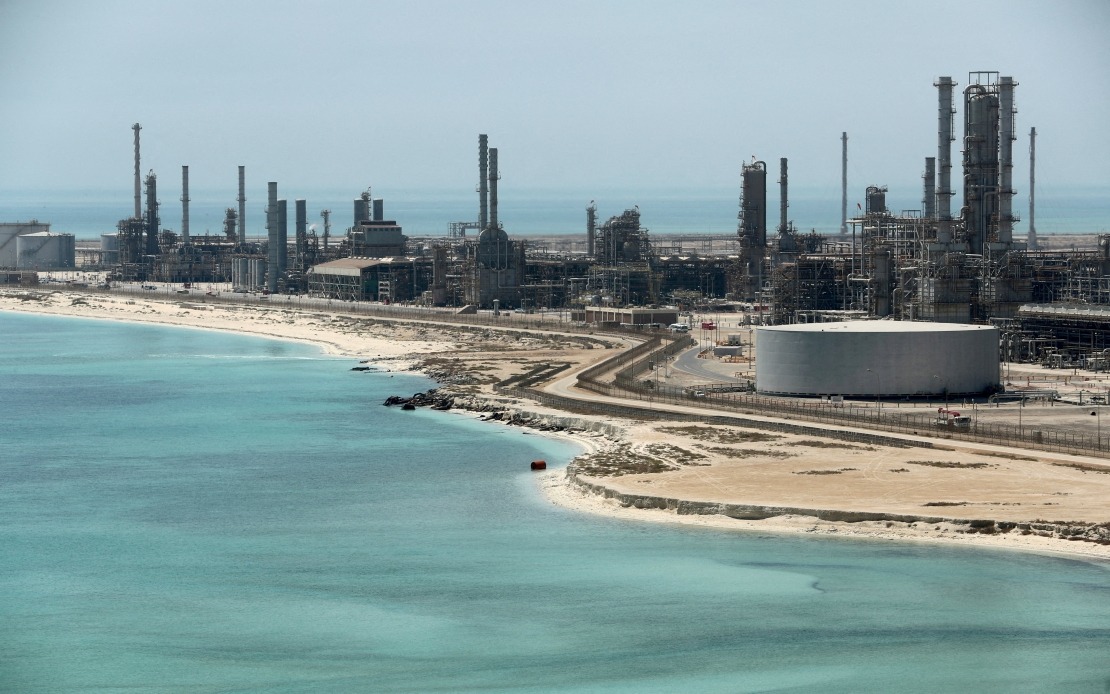
A helicopter operated by Saudi Aramco crashed at Ras Tanura on Saudi Arabia's eastern coast early on Sunday morning, resulting in the deaths of all 14 individuals aboard. The Ministry of Energy confirmed the incident occurred at approximately 6 am local time, with officials announcing that every person on the aircraft was a Saudi national. The tragedy marks a significant loss for the national oil company and has prompted immediate investigative efforts to establish what caused the disaster.
Ras Tanura, situated on the shores of the Persian Gulf, holds strategic importance as one of Saudi Arabia's most critical energy infrastructure sites. The facility functions as both a major refining complex and export terminal, making it integral to the kingdom's oil production capabilities and its role as a global energy supplier. The location's prominence in international energy markets underscores the potential wider implications of any disruption to operations, though immediate reports did not specify whether the crash would affect production or export activities at the site.
The Ministry of Energy released an official statement expressing profound condolences to the families of those who perished in the crash. Officials used the term "martyrs" in describing the deceased, reflecting cultural and religious conventions in official Saudi communications. The ministry indicated that relevant authorities would conduct a comprehensive investigation to identify the circumstances and contributing factors that led to the helicopter's failure.
Investigations into aviation accidents involving major energy sector operations typically involve multiple agencies and can take considerable time to complete. Such incidents often receive heightened scrutiny given the sensitivity surrounding critical infrastructure and the need to ensure operational safety across similar facilities. The Saudi authorities have not yet released preliminary findings or details about the helicopter's mechanical condition, maintenance history, or weather conditions at the time of the crash.
For regional observers, particularly those monitoring Gulf energy security, such accidents raise questions about safety protocols and oversight mechanisms governing helicopter operations at major oil and gas installations. The aviation industry across the Middle East operates under intense pressure to maintain reliable transport connections between offshore and onshore facilities, as well as for personnel movement across vast operational areas. Understanding what transpired will be crucial for the industry to reinforce safety measures if systemic issues are identified.
Saudi Aramco, as the world's largest oil producer by volume and a company with global significance, operates extensive helicopter fleets to support its diverse operations. The company manages some of the planet's most complex energy infrastructure, and any incident involving its assets attracts international attention. The crash represents a rare but sobering reminder of the inherent risks associated with aviation operations in the energy sector, where helicopters serve essential roles in personnel transport and operational support.
The timing of the incident in early morning hours may have implications for how operations were being conducted and what visibility and weather conditions prevailed. Ras Tanura's coastal location introduces potential meteorological variables that could have contributed to the accident, though speculation remains premature pending official findings. The investigation will likely examine maintenance records, pilot qualifications, communication logs, and mechanical systems to construct a comprehensive picture of events leading to the crash.
For Malaysia and Southeast Asia, which depend heavily on Middle Eastern oil supplies and maintain significant energy trade relationships with Saudi Arabia, such incidents underscore the operational challenges facing global energy producers. While this particular crash affects only those directly involved, it serves as a reminder of the complex logistics supporting the energy systems upon which regional economies depend. Any prolonged disruption to major Saudi facilities could have ripple effects across Asian energy markets.
The loss of 14 lives represents a profound tragedy for Saudi Arabia and the families affected. In the immediate aftermath, focus remains on supporting bereaved families and conducting the investigation with the thoroughness that such incidents demand. The findings will likely be shared with relevant international aviation authorities and may influence safety protocols across the energy sector more broadly, particularly regarding helicopter operations at critical infrastructure sites in challenging geographic and meteorological environments.

