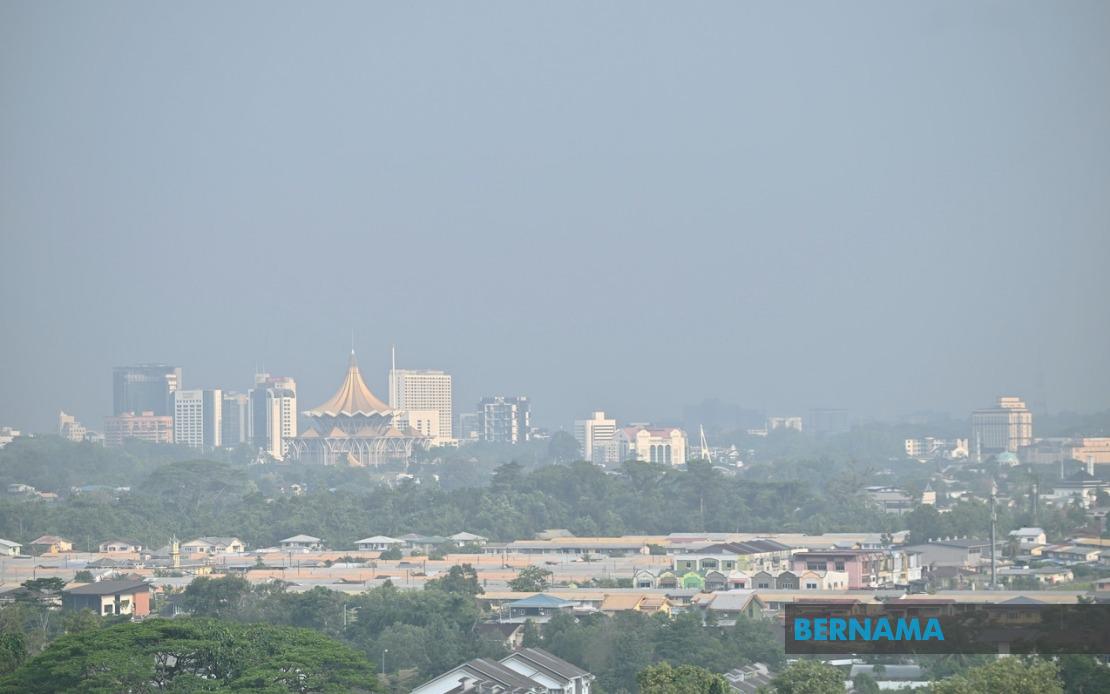
Sarawak has issued a broad advisory to delay outdoor activities and public events as the state grapples with deteriorating air quality and elevated temperatures, sparking concern among residents and event organisers across the region. The Sarawak Disaster Management Committee (JPBNS), led by chairman Datuk Amar Douglas Uggah Embas, classified the protective guidance as a measured response aimed at minimising public exposure to harmful air during a period of environmental stress.
The decision to restrict outdoor gatherings reflects growing awareness among Malaysian authorities of the health risks posed by transboundary haze, a recurring phenomenon that has affected Southeast Asia with increasing frequency over the past two decades. By encouraging postponements rather than outright cancellations, JPBNS sought to balance public safety with the legitimate interests of event organisers and communities planning celebrations and cultural activities. The precautionary stance underscores how climate and environmental challenges now shape the operational calendars of regional governments.
According to the Hot Weather Update Report issued on the morning of August 22, the air quality situation remained significantly compromised across much of Sarawak. Eleven monitoring locations registered unhealthy readings within the 101–200 range, indicating that exposure posed measurable risks, particularly for vulnerable populations including children, the elderly, and those with respiratory conditions. A further six stations reported moderate air quality levels between 51–100, while only one location maintained good air quality standards below 50. This distribution painted a picture of widespread pollution affecting urban centres, rural areas, and towns simultaneously.
The geographic spread of poor air quality highlighted the indiscriminate nature of atmospheric haze. Serian recorded the worst conditions with a reading of 190, followed by Kuching and Lubok Antu at 181 each—figures indicating that even the state capital experienced significant air degradation. Lundu, Samarahan, Sri Aman, and Sarikei all reported readings between 172 and 179, demonstrating that contamination had penetrated communities across Sarawak's diverse landscape, from coastal zones to interior regions. This comprehensive impact pattern necessitated a coordinated response spanning multiple administrative zones.
In response to the advisory, several high-profile events fell victim to rescheduling. The Sarawak Ku Sayang celebration, originally planned for August 28–30 in Mukah, was postponed indefinitely. Simultaneously, state-level National Day festivities scheduled for August 30–31 in Kapit were also deferred, representing a significant adjustment to Sarawak's official calendar. These were not minor community gatherings but substantial state-sanctioned events with cultural significance and considerable logistical investment, underscoring the gravity of the situation and the willingness of authorities to disrupt planned programming when health concerns warranted such action.
The postponement of National Day celebrations held particular symbolic weight, as these observances constitute fixed moments in Malaysia's national calendar when communities across all states typically gather in celebration. By deferring even these formal occasions, JPBNS signalled that environmental threats could supersede conventional administrative schedules—a powerful message about shifting priorities in governance during an era of climate volatility. The decision also reflected practical considerations: outdoor ceremonies attended by thousands would expose large populations to hazardous air simultaneously, magnifying the public health impact.
JPBNS committed to maintaining active surveillance and coordination as conditions evolved. The committee pledged to work alongside relevant agencies including the Department of Environment, meteorological services, and health authorities to track air quality developments and adjust guidance accordingly. This commitment to ongoing monitoring rather than static warnings recognised that haze events can fluctuate based on wind patterns, rainfall, and the intensity of regional burning activities, particularly from agricultural clearing in neighbouring jurisdictions. The assurance of continued vigilance provided some reassurance to organisers of cancelled events and anxious residents.
The haze phenomenon affecting Sarawak typically stems from transboundary sources, particularly biomass burning during seasonal land-clearing operations in Indonesia, though domestic agricultural practices can contribute. The timing of these events in late August coincides historically with peak burning seasons, creating a predictable but challenging environmental cycle that state authorities must navigate year after year. For Malaysian policymakers, this recurring predicament raises long-standing questions about regional cooperation, enforcement of environmental regulations, and the adequacy of current mitigation strategies.
From a Malaysian and Southeast Asian perspective, Sarawak's response exemplifies how individual states must adapt governance structures to accommodate climate-related disruptions. The willingness to postpone national celebrations demonstrates the primacy accorded to public health over ceremonial obligations—a relatively recent evolution in administrative practice. However, the persistence of these events also highlights the limited options available to subnational authorities in addressing root causes that lie partly beyond their jurisdiction, underscoring the need for enhanced regional coordination on environmental protection.
The advisory carries implications extending beyond Sarawak. Other Malaysian states that periodically experience haze, particularly Selangor, Kuala Lumpur, and areas of Peninsular Malaysia close to the Strait of Malacca, may face similar pressures to adjust their event calendars during peak pollution seasons. As air quality becomes an increasingly volatile factor in public planning, Malaysian communities should anticipate that outdoor activities and large gatherings may face restrictions with greater regularity, necessitating flexible event planning and contingency protocols across organisational and governmental sectors.

