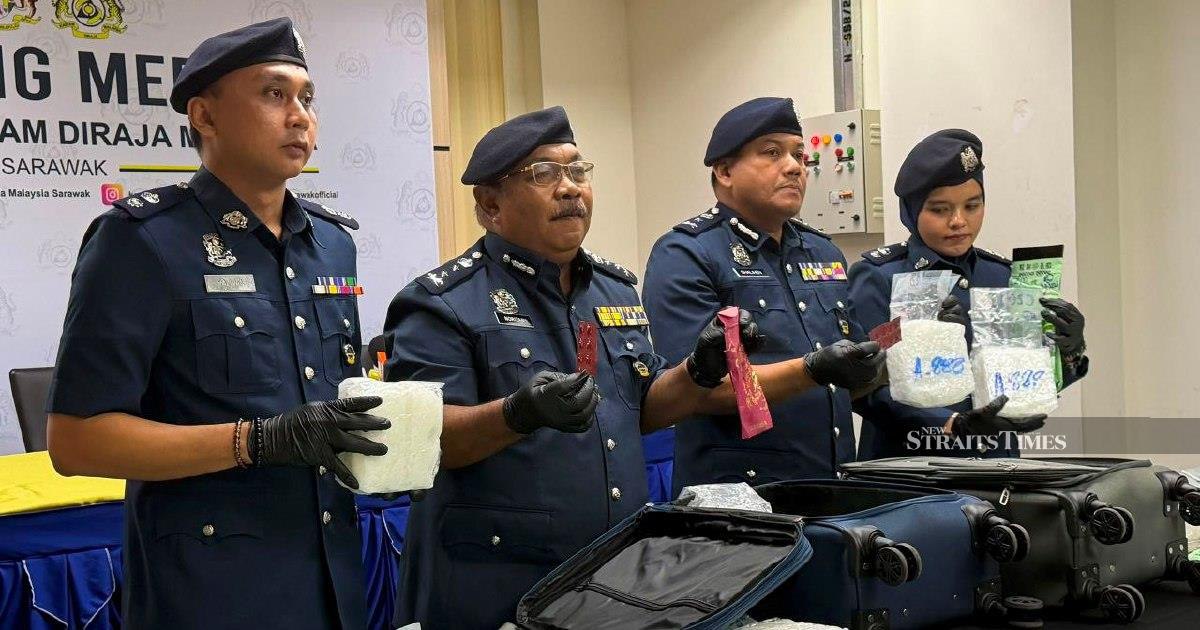
Sarawak's customs authorities have successfully disrupted what represents a substantial smuggling operation at Kuching International Airport, leading to the detention of two individuals implicated in attempting to transport narcotics with an estimated street value of RM1.32 million through the region's main aviation hub. The intervention on July 9 underscores the escalating sophistication of drug trafficking networks operating across Malaysian borders and highlights the persistent vigilance required from enforcement agencies to protect the state's airports.
The Sarawak Customs Department's successful interception comes at a time when Southeast Asian nations continue grappling with increasingly complex smuggling routes and methods. The volume of drugs targeted in this particular case—valued at RM1.32 million—suggests an operation servicing regional demand rather than individual user quantities, pointing toward organised criminal networks seeking to distribute narcotics throughout Sarawak and beyond. Such seizures provide investigators with valuable intelligence concerning supply chains and distribution patterns across the state and the wider region.
Kuching International Airport serves as a critical gateway for both legitimate commerce and illicit trade flows entering and leaving Sarawak. The facility processes thousands of passengers daily, presenting smugglers with numerous concealment opportunities. Customs officers, working in conjunction with airport security personnel, maintain layered screening protocols combining routine inspections with intelligence-led operations targeting high-risk shipments and travellers. The successful identification and apprehension in this case demonstrates the effectiveness of coordinated border security measures when properly resourced and executed.
The two arrests represent a significant operational achievement for customs personnel, yet enforcement specialists acknowledge that interdiction efforts address symptoms rather than root causes of drug trafficking. The substantial value attached to the seized narcotics reflects the profitability driving smuggling activities, creating powerful incentives for criminal organisations to repeatedly attempt new smuggling routes and methodologies. Each successful disruption temporarily disrupts supply networks, but traffickers routinely adapt by employing different concealment methods, transit points, or accomplices.
Sarawak faces particular vulnerabilities as a smuggling destination owing to its extensive maritime borders, numerous river systems, and land frontiers with Indonesia. While Kuching airport represents a primary entry point for air-based smuggling operations, comprehensive drug enforcement requires simultaneous attention across multiple transit corridors. The state's customs directorate maintains coordination with federal authorities, the Royal Malaysian Police, and international partners to maintain intelligence sharing and develop collaborative responses to transnational trafficking networks.
The July 9 operation reflects broader patterns evident across Malaysian airports, where customs and police units regularly intercept significant drug consignments. Seizures at international airports typically involve more potent substances commanding higher per-unit values compared to street-level trafficking. Cocaine, heroin, methamphetamine, and fentanyl derivatives feature prominently in airport interdictions, products of global supply chains extending from production regions across South America, Southwest Asia, and synthetic manufacturing facilities in East Asia.
For Malaysian readers, these enforcement actions carry implications extending beyond immediate public safety concerns. Drug trafficking disruptions contribute to maintaining Malaysia's reputation as a nation where authorities exercise effective border controls—a consideration influencing foreign investment decisions, tourism, and regional security partnerships. Conversely, evidence of porous borders or inadequate enforcement capacity risks damaging Malaysia's standing within international security frameworks and potentially inviting sanctions or restrictions from trading partners.
The two arrested individuals now face proceedings under the Dangerous Drugs Act, Malaysia's principal legislation governing narcotics offences. Penalties for drug smuggling in Malaysia include mandatory minimum sentences ranging from five to fifteen years imprisonment depending on substance type and quantity, with enhanced sentences possible upon conviction. The severity of these provisions reflects Malaysia's categorical approach toward drug trafficking, distinguishing it from personal consumption offences. Both individuals will undergo interrogation to establish whether they operated independently or functioned within larger trafficking networks requiring sustained investigation.
Investigators will likely pursue multiple investigative threads flowing from this seizure. Bank records, communications data, and witness statements may reveal additional conspirators, funding sources, and intended distribution points. International law enforcement liaison channels could engage with counterpart agencies in neighbouring countries should evidence suggest cross-border dimensions. Such investigations frequently extend weeks or months beyond initial arrests, with intelligence derived from individual seizures contributing to broader understanding of criminal networks and operational methods.
The Sarawak Customs Department's enforcement capacity requires sustained investment and personnel retention to maintain effectiveness against evolving smuggling challenges. Training programmes ensuring officers remain abreast of concealment innovations and detection technologies represent ongoing operational necessities. Recruitment and retention challenges facing Malaysian customs services generally demand competitive compensation and career development pathways capable of attracting capable candidates to frontline enforcement positions where operational demands prove substantial.
Looking forward, successful interdiction of the RM1.32 million consignment represents a temporary disruption within broader supply chains serving sustained regional demand for controlled substances. Comprehensive responses to drug trafficking extend beyond border enforcement into demand reduction initiatives, community health services, and international cooperation targeting production sources and trafficking organisations themselves. The July 9 seizure demonstrates tactical competence in customs operations whilst underscoring the necessity for multifaceted, sustained strategies addressing narcotics challenges confronting Sarawak and Malaysia more broadly.

