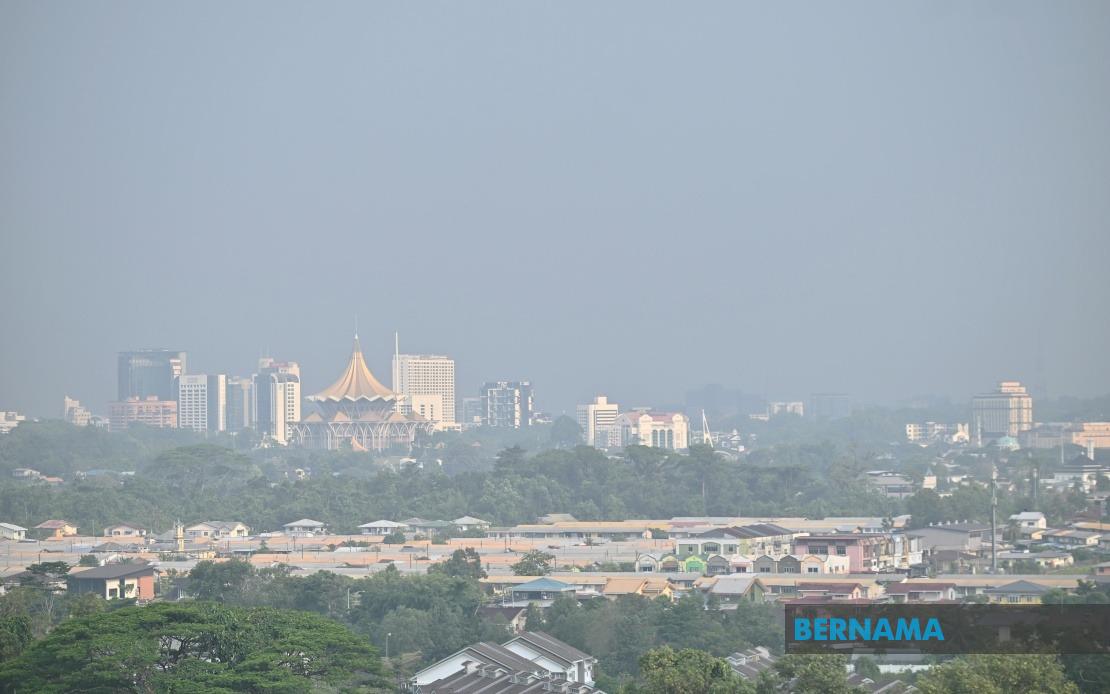
Sarawak and neighbouring regions across Borneo are facing an extended period of scorching temperatures and dry conditions that will persist through August 20, the Malaysian Meteorological Department warned on August 14. The sustained hot spell presents a significant threat to air quality and visibility across the state, with meteorological officials attributing the phenomenon to prevailing southerly wind patterns combined with persistently active hotspots dotting the Borneo landscape.
The meteorological agency highlighted that the combination of heat and dryness creates an environment particularly susceptible to haze formation. Southern Sarawak faces the greatest vulnerability during this period, where visibility reductions could become pronounced if atmospheric conditions continue to deteriorate. The southerly winds currently dominating weather patterns are expected to maintain the prevailing conditions, establishing what amounts to a reinforcing cycle that keeps moisture away from the region whilst concentrating aerosol particles and smoke in the lower atmosphere.
By mid-morning on August 14, the situation had already manifested in measurable air quality degradation. Ten locations nationwide reported Air Pollutant Index readings classified as unhealthy according to Malaysia's Air Pollutant Index Management System portal, with the overwhelming concentration of these readings occurring within Sarawak itself. This geographic clustering underscores the particular vulnerability of the state to the current meteorological configuration, distinguishing Sarawak's air quality challenges from broader national patterns.
The proliferation of hotspots across Borneo represents a driving factor in the persistent haze risk. These fire sources, whether from agricultural burning, land clearing, or other combustion activities, generate sustained emissions that interact with the meteorological conditions to create degraded visibility and poor air quality. The hotspot activity combines with natural wind circulation patterns to transport aerosols efficiently across the region, transforming localised fire sources into a widespread air quality concern affecting broad swaths of the island.
For Malaysian residents and businesses operating in affected Sarawak regions, the extended forecast carries practical implications. Outdoor activities may become increasingly uncomfortable or inadvisable as the heat intensifies and air quality deteriorates. Individuals with respiratory sensitivities, the elderly, and young children face heightened health risks during such periods, necessitating precautionary measures and possible modifications to daily routines. Drivers and aviation operations must also factor visibility reductions into safety planning and operational schedules.
Simultaneously, MetMalaysia issued severe weather warnings for peninsular Malaysia's northwestern regions, where contrasting meteorological conditions prevailed. Thunderstorm and heavy rainfall alerts covered the entirety of Perlis, Kedah, Penang and Kuala Lumpur Federal Territory until early afternoon on August 14. The warnings extended to specific districts within Perak—including Kerian, Selama, Larut Matang, Manjung and Bagan Datuk—as well as multiple Selangor areas encompassing Sabak Bernam, Kuala Selangor, Klang, Petaling, Gombak and Hulu Selangor.
This bifurcated weather pattern across Malaysia reflects the complex atmospheric dynamics operating during the monsoon transition period. Whilst Sarawak and eastern Borneo experience suppressed moisture and stable atmospheric conditions favouring heat retention, the northern peninsula faces moisture-laden air masses triggering convective rainfall development. Such meteorological divergence necessitates region-specific preparedness strategies and public communication approaches tailored to distinct hazard profiles.
The extended outlook through August 20 suggests that Sarawak residents should anticipate sustained discomfort and air quality concerns without significant relief through this fortnight. Historical precedent demonstrates that such extended dry spells can result in cumulative smoke and aerosol accumulation, progressively degrading visibility and air quality metrics over successive days. The psychological and physical toll of sustained heat and poor air quality extends beyond immediate health impacts to affect productivity, economic activity, and community wellbeing across affected regions.
MetMalaysia has encouraged the public to maintain vigilance regarding meteorological developments through multiple information channels. The department's official website, social media platforms, and the myCuaca mobile application offer real-time updates and personalised weather alerts. For Malaysian residents in Sarawak and surrounding areas, consistent monitoring of these authoritative sources represents a crucial element of personal and family safety planning during this extended period of meteorological stress.

