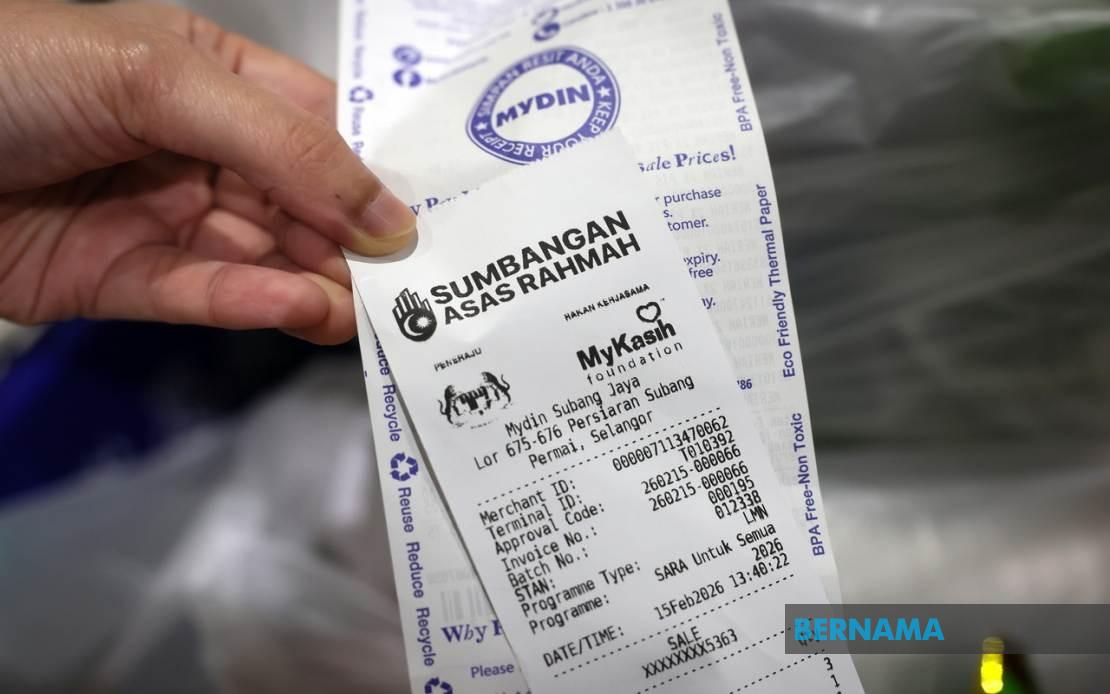
Malaysia's Sumbangan Asas Rahmah (SARA) cashless aid programme is demonstrating remarkable uptake among its target beneficiaries, with fresh data from the Ministry of Finance revealing that nearly nine million monthly recipients of the Sumbangan Tunai Rahmah (STR) cash assistance are actively utilising the scheme at a 99 per cent rate. This exceptional engagement translates into RM3.45 billion in cumulative transactions throughout 2024, signalling strong traction among low and middle-income households navigating persistent cost-of-living pressures across the country.
The SARA initiative extends its reach considerably beyond the core STR recipient base through the SARA Untuk Semua programme, which has mobilised some 22 million people representing 87 per cent of all eligible recipients to generate over RM1.77 billion in local market transactions. This broader inclusion strategy reflects the government's determination to ensure that assistance reaches as wide a segment of the population as possible, particularly those most vulnerable to inflationary pressures affecting essential goods and services. The scale of participation demonstrates public confidence in the programme's accessibility and redemption mechanisms.
The Ministry of Finance has framed the high spending performance as a crucial performance metric, contending that robust utilisation directly indicates how effectively the paired STR and SARA programmes are alleviating economic strain for vulnerable household groups. Beyond immediate relief to individuals, the ministry emphasises that elevated spending generates multiplier effects throughout the local economy, as recipients circulate government assistance through neighbourhood shops and essential service providers. This rationale underpins the government's broader economic logic for such transfer programmes, positioning them not merely as welfare interventions but as demand-side stimulus targeting the segments of society most likely to spend incremental income immediately.
SARA operates as a cashless mechanism delivered through MyKad digital credits, a design feature that distinguishes it from conventional cash transfers and enables enhanced government oversight of programme outcomes. Recipients can redeem accumulated credits exclusively at registered SARA Rakan Niaga merchant outlets, which stock 15 categories of essential commodities spanning basic foodstuffs, personal hygiene products, household cleaning materials, and medications. This controlled redemption architecture serves dual purposes: it channels assistance towards necessary consumption while simultaneously creating accountability trails that allow policymakers to verify aid reaches intended beneficiaries and achieves its stipulated economic objectives.
Parliamentary accountability mechanisms have driven the publication of these performance metrics. Datuk Aminolhuda Hassan, Member of Parliament for Sri Gading under the Pakatan Harapan coalition, specifically interrogated the government regarding key performance indicators underpinning both programmes, prompting the detailed Ministry of Finance response tabled in the lower house. This parliamentary scrutiny reflects broader legislative interest in validating whether targeted assistance programmes deliver measurable outcomes for vulnerable populations, a concern particularly acute given Malaysia's ongoing structural challenges around income inequality and wage stagnation in certain sectors.
The government has signalled substantial commitment to expanding the financial architecture supporting these initiatives, with allocations rising to RM15 billion in 2026 compared to RM10 billion in 2024. This 50 per cent increase over two years underscores the administration's prioritisation of direct income transfers and cashless assistance as core pillars of its social protection strategy. Such escalation reflects recognition that conventional welfare mechanisms require supplementation to address contemporary cost pressures, particularly affecting housing, food, healthcare, and transport expenses that consume disproportionate shares of lower-income household budgets.
For Malaysian policymakers and observers, the SARA data carries implications beyond immediate welfare provision. The programme demonstrates technical capacity to implement digital assistance distribution at scale, leveraging MyKad infrastructure to track redemption patterns and validate programme effectiveness. This technological foundation could potentially support future expansions or adaptations as economic conditions shift. Additionally, the high utilisation rates suggest that low and middle-income households actively embrace targeted assistance when delivery mechanisms are accessible and merchant networks sufficiently developed, validating the fundamental design philosophy underpinning the initiative.
The cashless architecture also generates valuable economic data regarding consumption patterns among recipient populations, information that could inform future policy calibrations regarding which categories warrant greater support or whether additional product categories warrant inclusion. The redemption data effectively functions as real-time market intelligence, revealing how recipients prioritise spending across the 15 eligible categories and potentially indicating which essential items experience greatest price pressures or affordability challenges within recipient communities.
Regional observers monitoring Malaysia's social protection trajectory will note the SARA programme alongside other recent assistance initiatives as evidence of a deliberate policy shift toward more generous, more precisely targeted income support. This approach contrasts with certain earlier periods when Malaysian welfare provision emphasised means-testing and administrative gatekeeping that sometimes deterred eligible populations from accessing available support. The high uptake rates suggest that simplified, digitally-enabled delivery mechanisms combined with transparent allocation criteria overcome previous barriers that historically prevented some eligible households from fully accessing available assistance.
The Ministry of Finance has committed to sustained monitoring and programme evolution, pledging to maintain vigilant oversight of aid distribution mechanisms to ensure resources continue reaching populations facing genuine economic hardship. This commitment acknowledges that cost-of-living pressures remain dynamic and potentially intensifying across certain demographic segments, requiring continued responsiveness from policymakers. As the government continues calibrating social protection spending levels and programme parameters, the demonstrated effectiveness and utilisation data from SARA will likely influence future design decisions affecting how Malaysia structures assistance for vulnerable populations navigating an increasingly complex economic environment.

