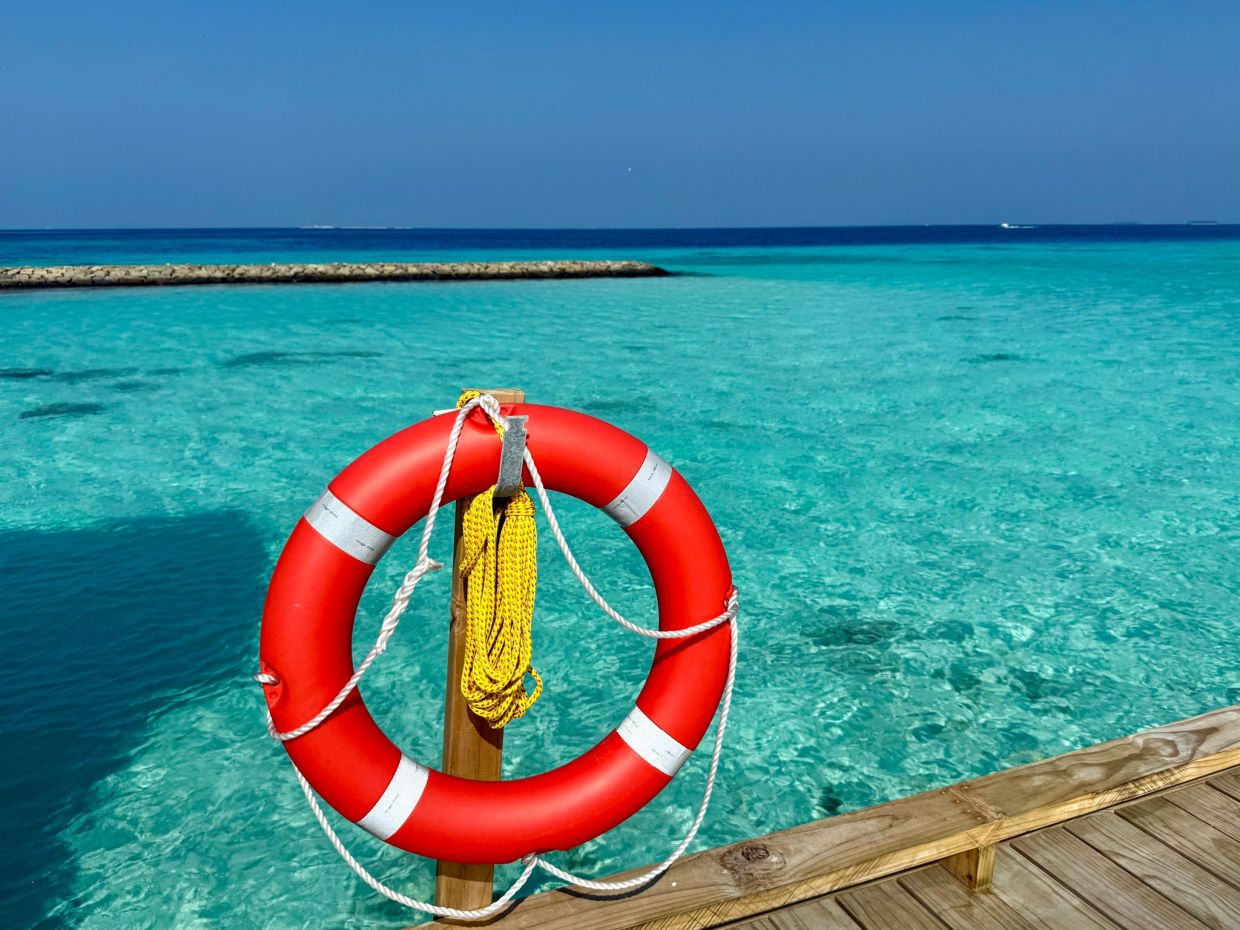
Many holidaymakers across Southeast Asia are drawn to the region's stunning lakes, rivers and coastal areas for swimming and water recreation. Yet the allure of refreshing waters during warm months can obscure genuine dangers that claim lives annually. According to Peter Dawes, general manager of lifeguard operations at the Royal National Lifeboat Institution (RNLI), a fundamental problem exists: swimmers habitually overestimate their capabilities whilst underestimating environmental hazards. This mismatch between perceived and actual risk creates conditions where preventable accidents occur, often with tragic consequences.
Temperature shock represents one of the most deceptive threats in open-water environments. Even when air temperatures are pleasantly warm, water can remain dangerously cold, particularly in early morning swims or in deeper areas. Dawes emphasises that thermal shock can incapacitate swimmers within minutes, affecting breathing and motor control before panic sets in. Malaysian swimmers venturing into highland lakes or cooler river systems frequently underestimate this risk, expecting warm tropical waters throughout the year. Understanding actual water temperatures through local inquiry, rather than assumption, forms a critical safety foundation that prevents unnecessary incidents.
Prior research into specific water conditions dramatically improves safety outcomes. Swimmers should investigate tide patterns if visiting coastal areas, as unpredictable tidal movements create dangerous currents and can strand swimmers unexpectedly. For inland locations such as lakes and rivers, understanding depth variations, seasonal changes, and weather patterns becomes equally essential. Lifeguarded beaches and supervised swimming areas offer substantial advantages because staff members possess detailed knowledge of localised hazards and can provide real-time guidance. This professional insight proves invaluable for visitors unfamiliar with particular locations.
Rip currents and underwater obstacles represent the most significant environmental hazards. Rip currents—narrow channels of fast-moving water flowing seaward—are particularly dangerous because swimmers often panic and exhaust themselves fighting against the current. Inland waterways present different challenges, with submerged roots, branches, sunken debris, and other obstructions creating injury risks that poor water visibility obscures. Many Southeast Asian lakes and rivers suffer from limited clarity due to sediment and organic matter, making it impossible to identify hazards before entering. Slow, deliberate entry into water allows swimmers to detect and avoid obstacles rather than colliding with them at speed.
Staying within lifeguarded zones marked by red and yellow flags reflects deliberate safety planning rather than arbitrary restriction. Lifeguards select flagged areas specifically because those zones offer optimal protection from identified hazards, often positioning flags on relatively safe sandbanks away from dangerous currents or drop-offs. However, lifeguard presence necessarily concentrates on flagged areas, meaning swimmers outside these zones receive reduced surveillance. The flags essentially demarcate the highest-priority zone where professional watchers maintain constant attention.
Groupwater swimming provides psychological and practical safety benefits that solo swimming cannot replicate. When swimmers remain together, individuals can observe companions for signs of distress, call for help promptly, and potentially provide rescue assistance. Children require especially vigilant supervision, with parents maintaining arm's length proximity at all times. Bright clothing in contrasting colours significantly improves visibility, enabling carers to track children quickly in crowded beach environments or when water conditions reduce visibility. This seemingly simple precaution prevents many drowning incidents that occur through momentary inattention.
Methodical water entry prevents cold-water shock reactions that can trigger involuntary gasping, breath-holding, and hyperventilation. Rushing into water initiates acute physiological responses, particularly dangerous for unacclimatised swimmers. Gradual entry allows the body to adjust progressively to temperature changes, maintaining normal breathing patterns and conscious control. Wetsuits provide thermal protection whilst also offering buoyancy benefits that reduce fatigue. Equally important, swimmers should identify safe exit points before entering, ensuring they can exit quickly if conditions deteriorate or discomfort develops.
Backfloating techniques offer proven survival value when swimmers encounter difficulty. By floating supine with head tilted back so ears rest just below the water surface, swimmers maintain airway position above water whilst expending minimal energy. This position allows breathing normalisation and energy conservation while awaiting rescue. Practising this technique in safe environments like swimming pools builds confidence and muscle memory, making the response automatic during genuine emergencies when panic might otherwise cause drowning. The backfloat essentially converts a crisis into a survivable situation, provided rescue arrives within reasonable timeframes.
Emergency response depends on location and available services. Swimmers encountering others in distress should immediately contact emergency services, requesting coastguard assistance for coastal incidents and fire-and-rescue services for inland waterways. Providing clear location information accelerates response times critically. Bystanders should avoid entering water unless trained in water rescue, as untrained rescuers frequently become secondary drowning victims themselves. Throwing flotation devices or extending objects to struggling swimmers from shore provides safer alternatives that often succeed without requiring entry into dangerous water.
Southeast Asian swimmers face additional considerations beyond those in temperate climates. Tropical waters host various aquatic hazards including sea snakes, stonefish, and other venomous marine creatures requiring awareness and appropriate footwear. Monsoonal weather patterns create rapid environmental changes that can transform safe conditions into dangerous situations within hours. River systems subject to flash flooding demand particular caution during rainy seasons. Local knowledge, whether obtained from lifeguards, tourism authorities, or experienced swimmers, provides essential context that generic safety advice cannot replace.
The broader cultural context in Southeast Asia sometimes minimises water safety priorities, particularly in communities with strong swimming traditions. Yet drowning remains a leading cause of unintentional injury death across the region, particularly among children and young adults. Adopting structured safety approaches—research before swimming, supervision of children, gradual acclimatisation, staying with companions—represents not overcaution but pragmatic risk management. These measures align with international best practices whilst remaining culturally compatible and accessible to all swimmers.
Ultimately, successful open-water swimming integrates respect for water's genuine hazards with practical precautions that eliminate unnecessary risks. The goal remains not fear-driven avoidance of water recreation but informed participation that maximises safety whilst preserving enjoyment. Swimmers who understand actual conditions, recognise personal limitations honestly, and implement proven safety techniques can confidently access Southeast Asia's magnificent water environments whilst significantly reducing injury probability.

