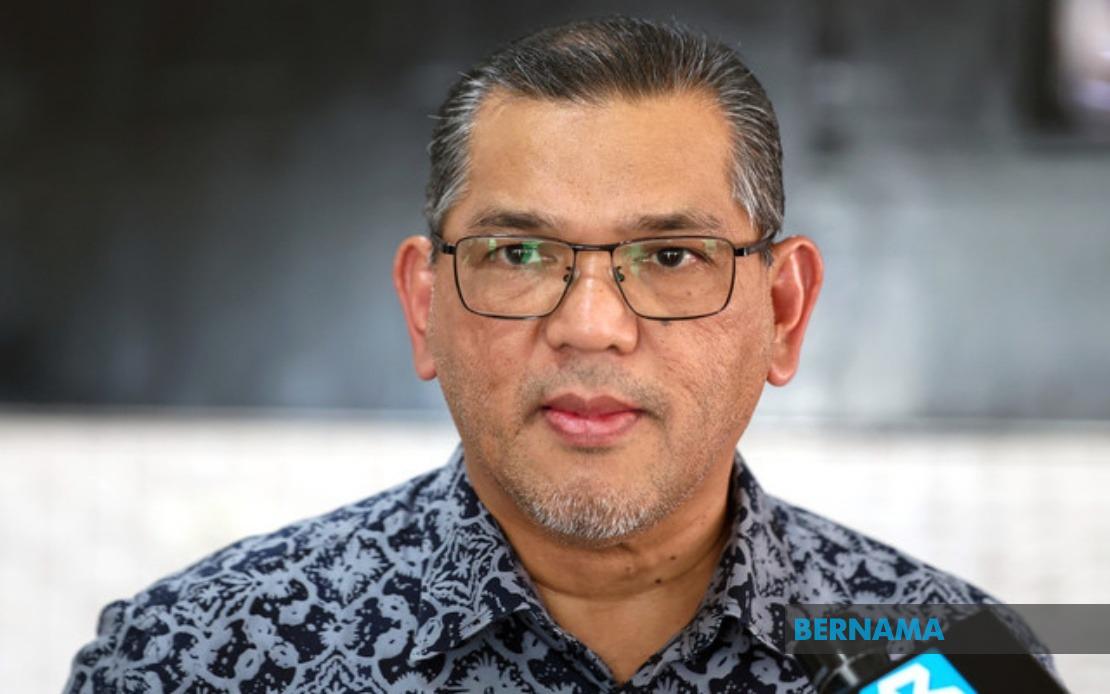
The Sabah Youth Entrepreneur Scheme (SYABAS) has emerged as a significant economic lifeline for young businesspeople across the state, with nearly 7,000 recipients benefiting from RM21 million in support since the programme's launch in 2022. Speaking in the State Legislative Assembly, Sabah Youth, Sports Development and Creative Economy Minister Datuk Nizam Abu Bakar Titingan outlined how the initiative has catalysed entrepreneurship among Sabahan youth, creating pathways into diverse sectors and enabling participants to build sustainable enterprises that extend beyond local borders.
The breadth of SYABAS's reach underscores the scheme's role in democratising access to startup capital across Sabah's districts. In the Nabawan constituency alone, 64 young entrepreneurs have participated, with similar penetration across other state divisions demonstrating systematic implementation of the programme. This geographic spread reflects a deliberate effort to ensure that economic opportunities are not concentrated in major urban centres but distributed throughout rural and semi-urban areas, addressing a critical gap in capital availability that has historically constrained youth-led business formation in Malaysia's less developed regions.
Success stories emerging from the scheme illustrate the variety of business models flourishing under SYABAS support. Amran Jining's hydroponic vegetable farm in Keningau exemplifies agricultural modernisation, moving beyond traditional subsistence farming toward technology-enabled production with higher yields and reduced environmental impact. Erliana Said's bakery operation in Tawau has built a reputation for quality bread and pastry products, while Sitti Fatimah Janna's cosmetics venture demonstrates the viability of value-added consumer goods. These cases are significant not merely as individual success stories but as templates showing young Sabahans the feasibility of scaling operations and accessing export markets—a critical psychological and practical breakthrough for an emerging entrepreneurial ecosystem.
Beyond initial capital disbursement, SYABAS distinguishes itself through structured post-funding support mechanisms that address the high failure rates typically observed in youth-led enterprises. The ministry maintains databases of all recipients and implements follow-up programmes encompassing coaching, monitoring, and capacity building. This hands-on approach recognises that capital alone is insufficient; nascent entrepreneurs require mentorship, business acumen development, and adaptive guidance as market conditions shift. By embedding support services into the programme design, Sabah's government has created accountability loops that increase the likelihood of venture survival and growth.
The scheme's strategic partnerships extend SYABAS's reach beyond the ministry's direct capacity, leveraging ecosystem players across government, vocational institutions, and private enterprise. Collaborations with training providers strengthen workforce development pipelines, while partnerships with tourism boards, agricultural agencies, and industrial bodies create sector-specific pathways and market linkages. This network approach transforms SYABAS from a standalone subsidy mechanism into a comprehensive entrepreneurial infrastructure investment, multiplying impact per ringgit deployed and creating organic demand for the services young entrepreneurs provide.
Cross-sector opportunity mapping within SYABAS demonstrates sophisticated programme design that anticipates labour market needs and economic comparative advantages. Focus areas including tourism, agriculture, manufacturing, logistics, aquaculture, fisheries, digital services, and creative industries reflect Sabah's economic diversification imperatives. Tourism, in particular, receives reinforcement through Visit Sabah Year 2027, a state government priority that promises to funnel visitor spending through locally operated accommodation, food and beverage, handicraft, and community tourism enterprises. Young entrepreneurs supported by SYABAS can position themselves strategically within this expanding ecosystem, capturing demand generated by the promotional campaign.
Visit Sabah Year 2027 itself represents a sophisticated integration of youth entrepreneurship and tourism development strategies. Rather than treating visitor arrivals as an end in themselves, the government has positioned tourism as a vehicle for inclusive economic growth, with deliberate emphasis on value chain development that benefits grassroots entrepreneurs and small operators. This approach acknowledges that tourism spending concentrated in foreign-owned resorts and multinational hotel chains generates limited local multiplier effects, whereas distributed spending across small family-run hotels, local transport providers, artisanal food producers, and community-based attractions creates broader wealth diffusion and employment.
The four-pillar framework underpinning Visit Sabah Year 2027—culture, adventure, nature, and sustainability—provides conceptual coherence that young entrepreneurs can build business models around. A handicraft vendor targeting tourist interest in indigenous Sabah cultures, an adventure tour operator leveraging Mount Kinabalu's reputation, or an organic farm offering agri-tourism experiences all align with campaign messaging and benefit from coordinated state-level marketing. This ecosystem approach increases individual entrepreneur visibility while creating thematic consistency that enhances Sabah's destination branding.
For Malaysian youth beyond Sabah, the SYABAS model offers lessons in targeted economic policy design. Rather than generic youth employment programmes or untargeted subsidies, the scheme combines capital access with infrastructure support, market creation through flagship tourism campaigns, and cross-sector partnerships that amplify limited government resources. The RM21 million allocation, while substantial, represents efficient deployment when coupled with downstream support and ecosystem development. Other state governments and federal economic agencies could adapt this framework to their regional contexts, tailoring sector focus and partnership strategies to local economic structures.
The scale of SYABAS participation—nearly 7,000 beneficiaries within two years—suggests strong demand for entrepreneurship support among Sabahan youth, whether driven by limited formal employment opportunities or genuine preference for self-employment. This participation volume indicates that capital constraints rather than entrepreneurial appetite may be the binding constraint on youth business formation in the state. If this diagnosis is correct, the scheme's expansion should generate measurable employment multipliers as successful SYABAS graduates hire staff and procure supplies from local vendors, initiating virtuous cycles of economic activity within communities.
Looking forward, the programme's sustainability depends on several factors. Continued government fiscal commitment ensures capital availability, though diversification into private-sector co-investment or microfinance partnerships could reduce public burden and introduce market discipline into recipient selection. Data on business survival rates, employment generation, and export volume among SYABAS graduates would enable evidence-based refinement and help justify ongoing funding to fiscal authorities and taxpayers. International market access for SYABAS products, mentioned by Minister Nizam as an achievement, warrants detailed documentation and deliberate expansion through trade mission support and export promotion authority assistance.
The integration of SYABAS with broader state development agendas—particularly tourism and creative industries positioning—suggests recognition that youth entrepreneurship must align with regional economic strategy rather than operating in isolation. This alignment increases sustainability by creating ongoing demand for the goods and services young entrepreneurs produce. However, such integration also risks creating dependency on flagship campaigns; businesses built entirely around Visit Sabah Year 2027 may struggle if tourism demand disappoints post-2027. Encouraging SYABAS recipients to develop diverse customer bases and export-oriented capabilities would reduce vulnerability to domestic tourism fluctuations and enhance long-term resilience.

