The Sabah state government and related entities have initiated legal proceedings against Ernst & Young PLT, pursuing claims exceeding RM2 billion in the Kuala Lumpur High Court. The civil suit, filed on August 7, targets the audit firm's handling of the Sabah Development Bank's financial statements across a decade-long period, reflecting mounting concerns about the quality of external auditing services provided to one of Malaysia's key development institutions.
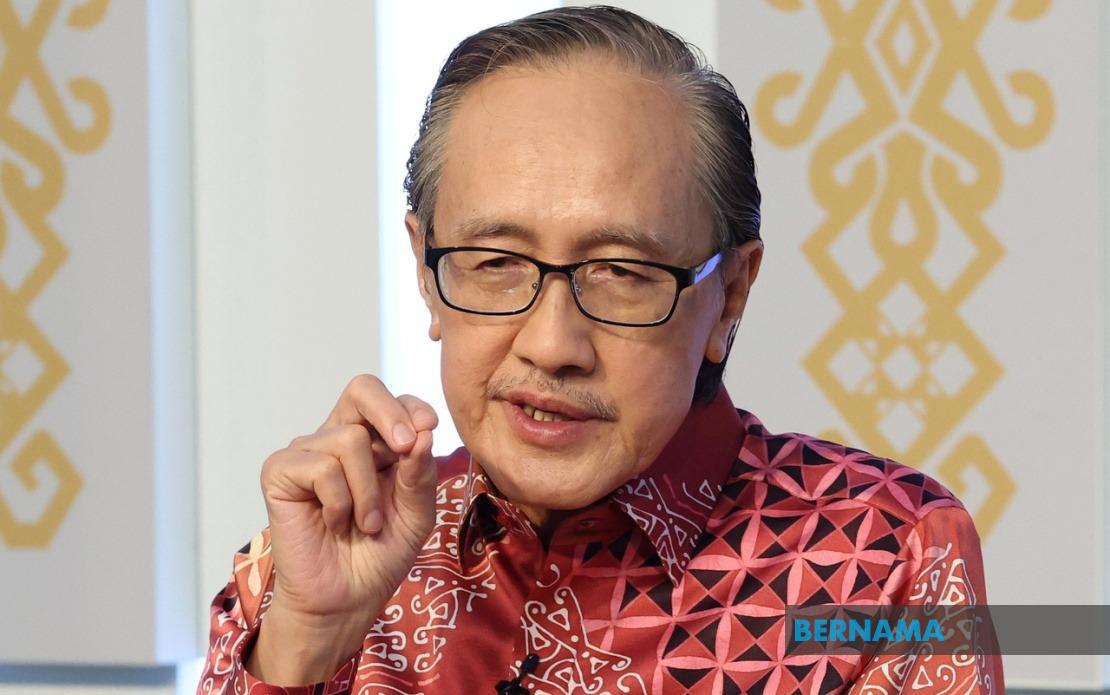
Deputy Chief Minister II Datuk Seri Masidi Manjun, who also serves as State Finance Minister, characterised the lawsuit as a demonstration of Sabah's determination to maintain rigorous oversight of public finances. In remarks at a press conference, he stressed that the state government operates with nothing to conceal and that the judicial process would ultimately establish the merits of the case. Masidi's framing of the litigation as a transparency measure reflects a broader narrative that aggressively pursuing auditors signals governmental commitment to proper stewardship of taxpayer resources.
The plaintiffs in the case—comprising the Sabah state government, Chief Minister Datuk Seri Hajiji Noor, the Sabah Development Bank itself, and SDB Corporation Sdn Bhd—contend that Ernst & Young failed to exercise reasonable care during its statutory audit obligations. According to the statement of claim, this alleged dereliction of duty resulted in SDB's actual financial condition remaining concealed from relevant stakeholders and regulators for years longer than should have been the case. The extended timeframe of the audits in question, spanning from 2011 to 2022, raises questions about the consistency and effectiveness of oversight mechanisms across multiple financial years.
The Sabah Development Bank occupies a crucial role in the state's economic infrastructure, functioning as a vehicle for development financing and strategic investment. When such institutions face financial distress or undetected accounting irregularities, the implications extend beyond the institution itself to encompass affected businesses, creditors, and broader confidence in the state's fiscal management. The alleged audit failures therefore touch upon systemic governance issues that resonate throughout Sabah's development landscape and investor community.
Masidi emphasised that the state's pursuit of legal remedies against Ernst & Young extends to all creditors without exception, underscoring what he described as an impartial commitment to recovering funds and establishing accountability. This universal approach suggests that the state views the litigation not as selective targeting of one firm but as part of a comprehensive effort to ensure that financial mismanagement is addressed wherever it may be identified. The comprehensive nature of the legal action signals that Sabah intends to examine every element of the chain of financial oversight that failed to prevent or expose problems at SDB.
From a Malaysian regulatory perspective, the case raises important questions about the adequacy of audit standards and the liability frameworks governing external auditors. The Big Four audit firm's responsibilities under Malaysian auditing standards require them to detect material misstatements in financial statements with reasonable assurance. If the allegations are substantiated, it would suggest that Ernst & Young's audit procedures were insufficient to meet these obligations, potentially prompting regulatory bodies such as the Malaysian Institute of Accountants to scrutinise audit quality across the sector more closely.
The timing and magnitude of this lawsuit also warrant consideration within the broader context of financial governance in Malaysian states. Public sector auditing serves as a critical safeguard against misappropriation and administrative failure. When audit firms fail to detect financial irregularities, whether through negligence or inadequate procedures, the consequences cascade through government operations and public confidence in institutions. Sabah's decision to pursue substantial damages reflects an understanding that accountability must flow through every level of the financial system, including service providers external to government itself.
Masidi's characterisation of the lawsuit as fostering a better governance culture suggests that Sabah views the litigation as having educational and deterrent value beyond the specific case. By publicly committing to hold external auditors accountable, the state government sends a signal to its own institutions and staff that financial stewardship carries genuine consequences for all parties involved. This approach may incentivise more rigorous internal controls and greater attention to financial documentation, knowing that external oversight will be taken seriously.
The court proceedings will ultimately determine whether Ernst & Young's conduct fell below the standard of care expected of a professional audit firm in Malaysia. However, regardless of the legal outcome, the case has already highlighted vulnerabilities in how state development institutions are monitored and how swiftly financial irregularities are identified. For other Malaysian state governments and federal entities relying on similar audit arrangements, the lawsuit serves as a reminder that external auditors can be held financially liable for inadequate performance, potentially prompting reviews of audit scope and independence across the public sector.
As the litigation unfolds, observers will watch whether the case establishes clearer standards for auditor liability in Malaysia or whether it remains a state-specific dispute with limited systemic implications. Either way, Sabah's willingness to pursue a RM2 billion claim against an internationally recognised accounting firm demonstrates that even large, established institutions can face significant legal exposure when their audit work is questioned by powerful clients. The case may ultimately serve as a catalyst for strengthening audit quality standards and enforcement mechanisms across Malaysia's broader financial services ecosystem.

