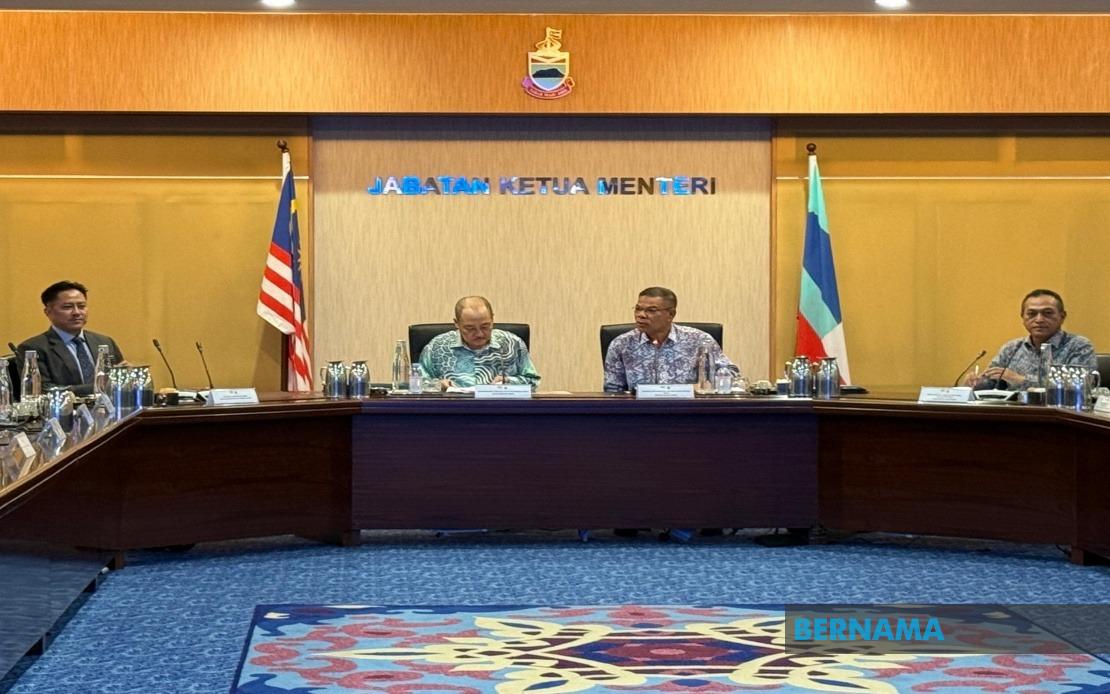
Sabah's leadership is mounting a coordinated diplomatic campaign aimed at persuading foreign governments to revise downward their travel advisories for the state's eastern regions, a move intended to rehabilitate international perceptions and revive tourism to the affected coastlines. Chief Minister Datuk Seri Hajiji Noor articulated this strategy following a high-level security review in Kota Kinabalu, arguing that persistent negative travel warnings undermine the tangible progress achieved through years of sustained counter-terrorism and maritime enforcement operations.
The diplomatic initiative reflects broader frustration among Sabah officials that international travel advisories, while originally grounded in legitimate security concerns, have outlived their practical justification and now serve as unnecessary barriers to economic development. Hajiji emphasised that direct communication channels with embassies and high commissions must be activated to convey concrete evidence of improved conditions on the ground, particularly the absence of kidnap-for-ransom incidents—a threat that once characterised the region and prompted many nations to warn their citizens away.
The Eastern Sabah Security Zone, or ESS Zone, has maintained a zero-kidnapping record extending back to January 2020, a milestone that Hajiji presented as the cornerstone of his case for advisory downgrades. This six-year absence of high-profile abductions represents the culmination of sustained effort by security agencies and reflects a genuine transformation in the region's threat environment. Yet foreign governments, operating on older threat assessments and maintaining cautious stances toward maritime Southeast Asia, have been slow to formally revise their positions.
The Chief Minister's call for diplomatic pressure emerged during a joint committee meeting co-chaired with Home Minister Datuk Seri Saifuddin Nasution Ismail, underscoring the alignment between state and federal governments on the issue. This coordination reflects recognition that advisory revisions typically originate at the national level through representations made via Malaysia's foreign service, rather than through state-level channels alone. The meeting's composition, including Eastern Sabah Security Command Commander Datuk Victor Sanjos and other senior security officials, demonstrated the comprehensive approach being adopted to marshal evidence supporting the case for reassessment.
Hajiji's recent inspection tours of six islands within Sabah territorial waters served multiple purposes beyond symbolic political activity. By personally verifying security post conditions and assessing operational readiness, the Chief Minister gathered firsthand observations to support representations to foreign capitals. Such site visits generate photographs, reports, and anecdotal evidence that diplomats can cite when making the case that the security situation warrants recalibration of international travel guidance.
The broader context underlying this initiative involves recognition that travel advisories carry significant economic weight. Tourism to Sabah's eastern coast—encompassing destinations that might otherwise attract substantial international visitation—has been constrained by persistent warnings. Hotel operators, diving outfitters, boat charter services, and cultural tourism providers have all suffered from reduced foreign visitor flows. By successfully lowering advisories, Sabah would remove a major impediment to market recovery and regional economic development.
From a Malaysian perspective, this represents part of ongoing efforts to position Southeast Asia as a stabilising security environment increasingly attractive to international investment and tourism. The Sabah initiative, while locally focused, contributes to the broader national narrative that maritime security challenges in the region have been brought under control through professional law enforcement and international cooperation. Each successful advisory downgrade amplifies Malaysia's credibility in making this case.
The security apparatus supporting this improved record—particularly the Eastern Sabah Security Command operating in coordination with the Royal Malaysia Police, Malaysian Armed Forces, and Malaysian Maritime Enforcement Agency—represents substantial ongoing commitment of resources and personnel. Hajiji's formal acknowledgment of their sacrifices reflects political awareness that maintaining current security gains requires sustained investment in infrastructure, training, and forward deployment of personnel along frontier areas. Without such continued commitment, the conditions that have enabled the zero-kidnapping record could deteriorate.
The challenge facing Sabah's diplomatic initiative lies in the inertia of foreign threat assessments. Once established, travel advisories tend to persist beyond the circumstances that originally justified them, particularly when updating them requires active reconsideration by multiple government departments and agencies. Foreign capitals must weigh Sabah's representations against their own risk assessment frameworks and compete for diplomatic attention against numerous global security concerns. Malaysia's foreign ministry will need to marshal not just evidence of improved security conditions but also credible assessments from international security analysts and operational partners.
Successful downgrading of travel advisories would yield benefits extending beyond immediate tourism recovery. Improved international confidence in Eastern Sabah's security profile would facilitate increased business travel, foreign investment in infrastructure projects, and educational exchanges. The reputational rehabilitation of the region matters significantly for attracting the categories of foreign engagement that generate sustained economic activity rather than temporary tourist flows.
Sabah's initiative also reflects broader questions about how maritime security challenges in Southeast Asia should be communicated internationally. Genuine improvements in operational security and law enforcement effectiveness should receive proportional recognition in travel guidance frameworks. Outdated warnings create misalignments between actual conditions and international perceptions, potentially disadvantaging regions that have invested heavily in security improvements while neighbouring areas facing comparable challenges receive less restrictive guidance.
Moving forward, the success of Sabah's diplomatic push will depend on sustained coordination between state authorities and Malaysia's foreign service, coupled with continued security gains in the field. The state government has committed to ongoing upgrades of security assets and enhanced operational preparedness, measures intended both to maintain current security levels and to generate tangible evidence of continued commitment that foreign governments can cite when revising their advisories. This represents a multifaceted approach recognising that diplomatic representations alone, while necessary, must be accompanied by demonstrated operational commitment.

