Sabah's state government is pursuing the expedited release of RM900 million in federal funding after receiving the first tranche of RM600 million from a RM1.5 billion interim special grant provided by Putrajaya in June. The development underscores the ongoing fiscal relationship between Malaysia's easternmost state and the federal administration, centred on long-standing constitutional questions over revenue distribution that remain contentious more than six decades after the formation of Malaysia.
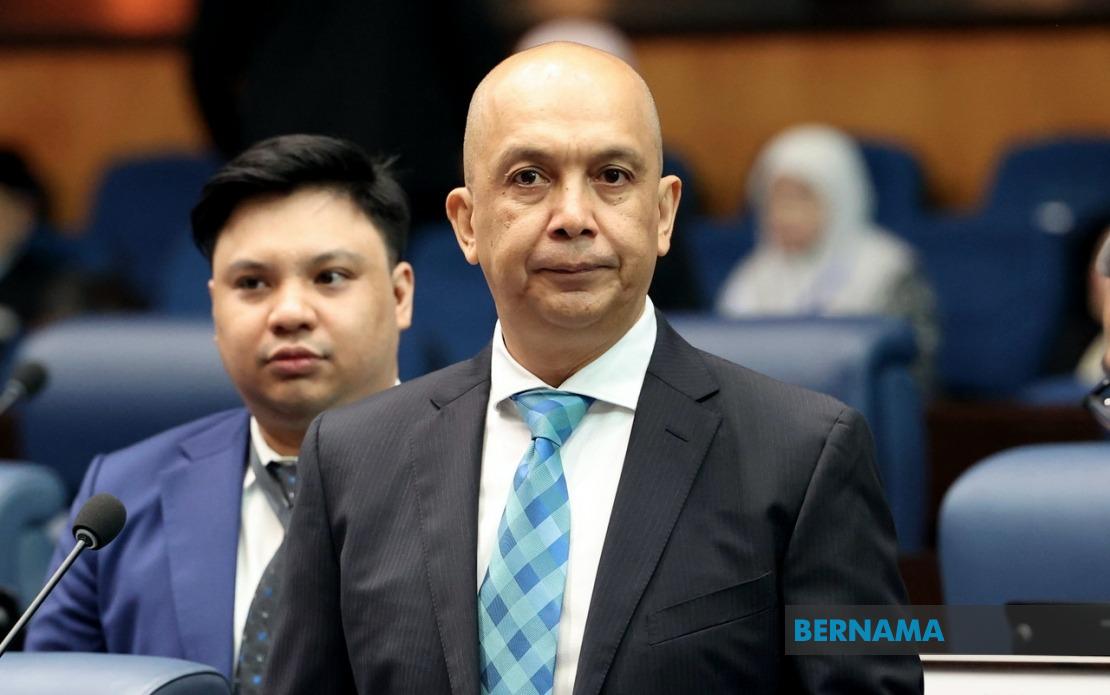
According to Sabah Assistant Finance Minister II Datuk Mohd Ishak Ayub, the state government has formally requested that the outstanding RM900 million be transferred before the calendar year concludes. The announcement, made during a state assembly sitting in Kota Kinabalu, signals Sabah's determination to secure additional federal resources to support its development and operational needs. The timing of the request reflects the state's broader fiscal pressures as it navigates infrastructure expansion and public service obligations across its 73,700 square kilometres.
Crucially, Sabah's acceptance of the interim settlement should not be interpreted as the state relinquishing its constitutional position, Mohd Ishak emphasised. The grant was accepted "without prejudice" to Sabah's rights under Articles 112C and 112D of the Federal Constitution, preserving the state's legal standing in any future negotiations or disputes regarding its entitlements. This careful framing demonstrates how Malaysian federal-state fiscal matters remain layered with constitutional complexity, particularly for Sabah and Sarawak, which occupy unique constitutional positions as former British colonies that joined Malaysia through international agreement rather than domestic federation.
The RM1.5 billion interim payment itself represents a response to escalating pressure from Sabah's political representatives and civil society advocates who argue that the state has consistently received less than its constitutional due. The 40 per cent formula referenced by Mohd Ishak derives from provisions in the Federal Constitution that guarantee Sabah and Sarawak specific revenue-sharing arrangements, a legacy of the agreements reached during Malaysian formation in 1963. However, successive federal governments have interpreted and implemented these provisions differently, creating persistent grievances across multiple decades and administrations.
Prime Minister Datuk Seri Anwar Ibrahim announced the increased interim payment during Kaamatan Festival celebrations on May 30, signalling federal acknowledgement of Sabah's claims even as the final resolution remains deferred. The announcement served multiple political purposes: demonstrating sensitivity to East Malaysian concerns, potentially building goodwill ahead of electoral considerations, and creating space for further negotiation without immediately committing to permanent structural changes in federal-state revenue distribution. Subsequent correspondence between federal and state governments dated June 9, 19, and 26 outlined the mechanics and conditions governing the interim arrangement.
For Malaysian readers and regional observers, Sabah's fiscal negotiations carry significance beyond immediate budgetary concerns. The state represents one-sixth of Malaysia's land area and hosts substantial natural resource wealth, including timber, oil palm, and petroleum reserves. How federal governments manage fiscal relationships with resource-rich states like Sabah influences broader national cohesion and the viability of constitutional federalism in Malaysia. Persistent underfunding relative to constitutional entitlements can fuel separatist sentiment and regional resentment, issues that Malaysian policymakers have grappled with episodically throughout the nation's history.
Concurrently, Sabah's state government is managing welfare assistance programmes with limited fiscal flexibility. Sabah Assistant Minister of Women, Health and People's Wellbeing Datuk Rina Jainal indicated that the state plans to maintain social protection payments within a RM200 to RM350 monthly range, with future increases contingent upon improved state finances. The eligibility criteria have been expanded in line with updated poverty measurements, with the household income ceiling for assistance recipients increased from RM1,198 in 2025 to RM1,236 in the current year, reflecting modest cost-of-living adjustments rather than substantial welfare enhancements.
The divergence between federal and state welfare assistance rates underscores a broader challenge facing Malaysian federalism: state governments often lack resources to match federal welfare programmes or maintain benefit levels commensurate with living costs. When federal allocations prove insufficient and state revenues remain constrained, vulnerable populations face inconsistent social protection across Malaysia's thirteen states. This disparity is particularly acute in Sabah, where poverty rates and cost of living pressures exceed national averages in many communities.
The broader context of Sabah's fiscal claims encompasses historical grievances extending back to Malaysian federation's establishment. The state argues that it contributed disproportionately to federal revenues through resource extraction while receiving inadequate returns for development investment. Quantifying this disparity involves complex accounting methodologies disputed by federal and state authorities alike. Nevertheless, the accumulated weight of these claims across multiple state governments and political coalitions suggests substantial underlying fiscal imbalances that successive administrations have addressed through temporary grants rather than permanent constitutional or statutory reform.
Looking forward, the resolution of Sabah's RM900 million request before year-end remains uncertain, though the interim payment's provision suggests federal willingness to engage. Whether this ultimately leads to structural changes in revenue-sharing arrangements or constitutes another temporary amelioration depends on federal political priorities and the relative leverage that Sabah can exert through coalition politics and public advocacy. For Malaysians living in resource-rich states with historical constitutional claims, the stakes involve not merely immediate budget allocations but the fundamental question of whether federalism delivers equitable development and opportunity across the nation's diverse geographic and demographic landscape.

