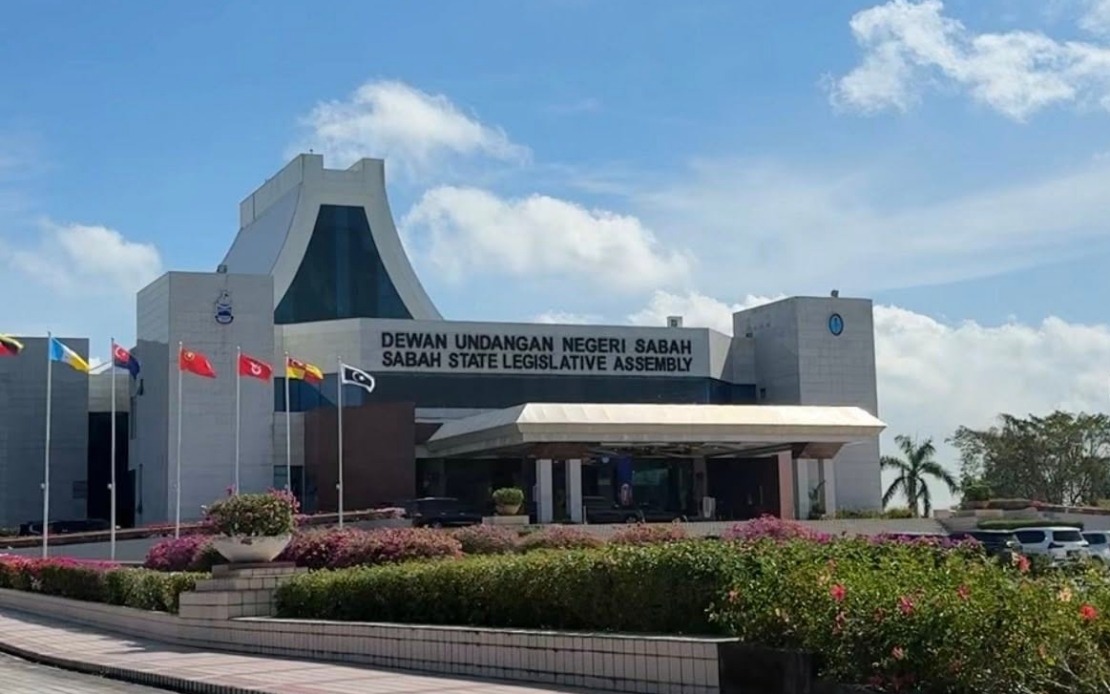
The Sabah State Legislative Assembly has greenlit an additional RM1.61 billion in government expenditure through the Supplementary Supply Bill 2026, marking a significant expansion of the state budget midway through the fiscal year. Forty-two assemblymen participated in deliberations on the package, which was formally endorsed through a majority voice vote under the watch of Deputy Speaker Datuk Al Hambra Tun Juhar.
Deputy Chief Minister II and State Finance Minister Datuk Seri Masidi Manjun tabled the proposal on July 20 before steering it through final approval on July 21. The timing of this supplementary allocation reflects Sabah's budgetary flexibility in addressing unforeseen expenditure demands or revised fiscal priorities that were not fully captured in the original 2026 budget allocation approved earlier in the financial cycle.
The breakdown of the RM1.61 billion package reveals the government's strategic spending priorities. Statutory fund contributions dominate the allocation, absorbing RM856 million—more than half of the total sum. These mandatory disbursements typically cover pension obligations, debt servicing, and other legally mandated financial commitments that governments must honour regardless of discretionary budget pressures. This substantial proportion underscores the significant fixed costs borne by the Sabah state government.
Operating expenditure claims the second-largest slice at RM278 million, funding the day-to-day functioning of state departments and agencies. This category encompasses salaries, utilities, maintenance, and routine administrative costs essential to delivering government services across Sabah's diverse landscape—from urban centres like Kota Kinabalu to remote districts requiring sustained infrastructure support and connectivity investment.
Development expenditure garnered RM210 million, signalling the state government's commitment to capital projects and economic infrastructure despite broader fiscal pressures. For a state like Sabah, development spending carries particular weight given the need for improved roads, water systems, healthcare facilities, and educational infrastructure across an expansive geography with significant rural populations. Such investments typically generate medium to long-term economic returns and employment opportunities.
Administrative expenditure received RM162 million, reflecting the operational costs of state machinery itself—from office equipment and technology systems to training programmes and administrative overheads. State grants totalling RM93 million suggest targeted financial support for local authorities, statutory bodies, or specific government programmes aligned with state objectives. The comparatively modest RM13 million earmarked for special allocations provides flexibility for urgent or unexpected requirements that emerge during the fiscal year.
This supplementary bill arrives within Malaysia's broader fiscal landscape, where state governments have increasingly relied on strategic budget adjustments to respond to economic shifts and emerging priorities. Sabah, as one of Malaysia's largest states by area and home to significant populations in the interior, faces persistent challenges in infrastructure development and service delivery that often demand flexible budgeting approaches. The passage of this bill demonstrates the state assembly's capacity to mobilize additional resources when deemed necessary.
The approval process itself proceeded relatively smoothly, with broad support across the assembly during debate and voting. This consensus, while not guaranteeing smooth implementation, suggests that assemblymen from various constituencies recognise the necessity of the additional expenditure. In Malaysian state politics, such broad backing often reflects either bipartisan agreement on fiscal necessity or strategic political positioning by the ruling coalition.
The implications for Sabah's fiscal position warrant scrutiny among policymakers and observers. Supplementary bills increase total government spending relative to original budget projections, potentially affecting debt levels, deficit ratios, and credit ratings unless offset by higher-than-anticipated revenues. However, they also represent pragmatic governance, allowing administrations to respond to genuine spending requirements rather than freezing allocations regardless of circumstances.
For Malaysian stakeholders monitoring state finances, this RM1.61 billion supplement deserves attention as an indicator of Sabah's fiscal health and budgetary management. The emphasis on statutory obligations and operational continuity suggests the government is prioritizing financial stability and ongoing service delivery. Yet the substantial development expenditure also signals confidence in pursuing economic projects, though this will require effective execution to deliver promised returns.
Looking ahead, the state assembly will reconvene on July 22 for further business. The passage of this supplementary bill removes a major fiscal item from the legislative agenda, allowing attention to shift toward other policy matters and potential amendments to existing legislation. How effectively Sabah deploys this additional RM1.61 billion across the six expenditure categories will ultimately determine whether this supplementary allocation strengthens or strains the state's long-term fiscal sustainability.

