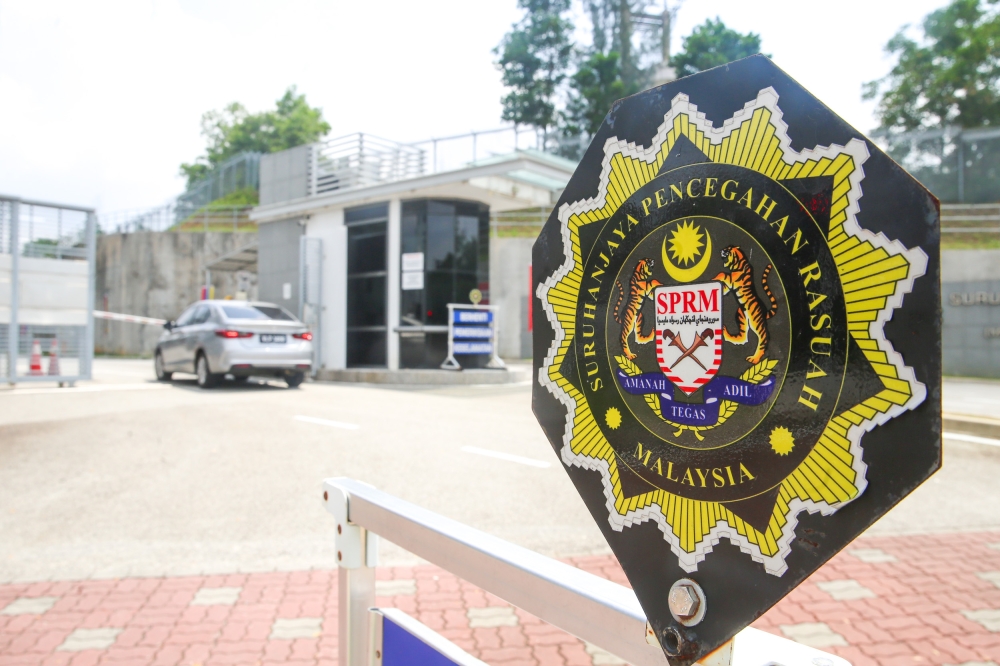
The Malaysian Anti-Corruption Commission (MACC) has taken into custody the president of a Sabah-registered non-governmental organisation following investigation into the alleged misappropriation of RM2 million in funds belonging to the organisation. The detention, conducted in Kota Kinabalu, represents the latest in a series of anti-corruption operations targeting institutional leadership across Malaysian states.
The investigation centres on allegations that the NGO chief systematically diverted organisational resources for unauthorised purposes over an extended period. Preliminary inquiries suggest the funds, which originated from various legitimate sources including grants and donations intended for community welfare programmes, were transferred to personal accounts or used for activities unrelated to the organisation's stated charitable objectives. The MACC's preliminary findings indicate potential breaches of fiduciary duty and possible violation of financial governance protocols.
This development underscores persistent vulnerabilities within the NGO sector across Southeast Asia, where accountability mechanisms frequently lag behind operational scale. Sabah, as one of Malaysia's largest states by area and home to a substantial network of community organisations, has witnessed increased scrutiny of non-profit governance in recent years. The case reflects broader regional concerns about how rapidly expanding civil society institutions manage substantial financial resources without robust oversight frameworks.
The arrested individual held significant influence within Sabah's civil society ecosystem, overseeing organisational activities spanning education, welfare distribution, and community development initiatives. The scale of alleged misappropriation—RM2 million represents a substantial portion of typical NGO annual budgets—suggests systematic rather than isolated financial misconduct. Such cases carry particular weight because public confidence in philanthropic institutions depends critically on transparent fund management and accountable leadership.
Regional observers note that NGO corruption cases present distinctive investigative challenges compared to conventional public sector graft. Civil society organisations typically operate with minimal external audit requirements and frequently lack the institutional reporting structures mandated in government agencies. This regulatory gap creates environments where determined individuals can obscure financial irregularities for extended periods before detection. The Sabah case likely prompted MACC investigators to examine years of financial records, examining transaction patterns and cross-referencing beneficiary accounts.
The implications extend beyond the individual organisation. NGO sector credibility depends on institutional integrity, and high-profile corruption cases inevitably diminish public willingness to contribute financially to community initiatives. Donors, both domestic and international, increasingly demand documentary evidence of ethical governance before committing resources. Sabah's development sector may experience reduced philanthropic funding as foundations and individual contributors become more cautious about organisational vetting processes.
For Malaysian governance frameworks, the case highlights why comprehensive NGO regulation remains an unfinished policy agenda. While the MACC operates with increasing effectiveness, prosecutorial capacity alone cannot substitute for preventive institutional design. States including Sabah would benefit from mandatory financial audit requirements, board transparency protocols, and beneficiary verification systems that simplify detection of anomalous transactions. Singapore and Brunei have implemented stricter NGO oversight mechanisms that Malaysian authorities might study as potential models.
The investigation's progression will likely involve forensic accounting analysis of years of financial transactions, interviews with board members and staff, and verification of claimed charitable expenditures. The MACC's investigative competence has improved markedly over recent years, enabling more sophisticated examination of complex financial structures that corruption suspects construct to obscure illicit transfers. International cooperation agreements also facilitate tracking of funds diverted to overseas accounts, expanding investigative reach beyond domestic banking systems.
This case emerges amid heightened regional attention to civil society governance following similar high-profile cases across Southeast Asia. Thailand, the Philippines, and Indonesia have all documented significant NGO corruption schemes in recent years, prompting international development agencies to strengthen due diligence protocols. The Malaysia case contributes to this broader pattern, suggesting systemic vulnerability rather than isolated institutional failure within particular organisations.
Stakeholders in Sabah's development community now face urgent questions about governance reform. Sector associations should establish self-regulatory mechanisms including standardised financial reporting, mandatory board diversity requirements, and whistleblower protection protocols. Such initiatives, implemented proactively before regulatory mandates emerge, would strengthen organisational legitimacy while protecting honest NGO leaders from reputational contamination resulting from colleague misconduct. The MACC investigation, though focused on individual culpability, offers opportunity for constructive sector-wide reform.
The arrested president remains in custody pending investigation completion and potential charging decisions. Legal proceedings will eventually clarify specific allegations and determine applicable penalties under existing anti-corruption statutes. However, the case's broader significance lies in prompting recognition that robust civil society requires governance frameworks comparable to those governing commercial and public institutions. Sabah's development trajectory depends on trusted community organisations, making investment in accountability infrastructure an investment in regional progress.

