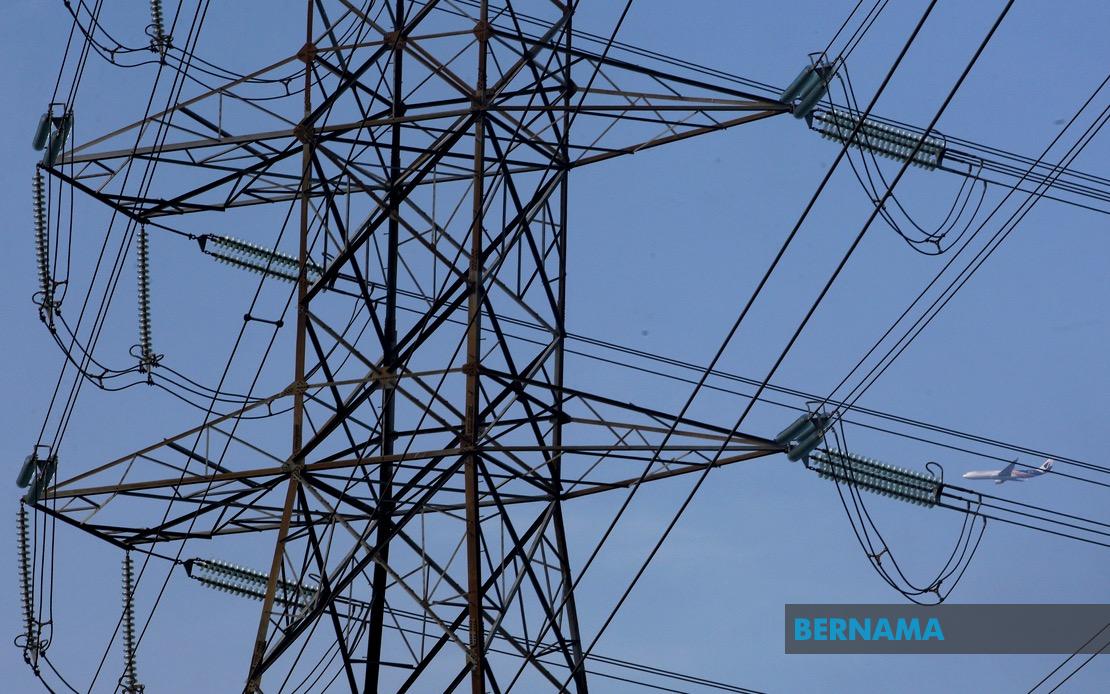
Sabah Electricity announced on June 29 that it would introduce temporary scheduled power rationing across various regions of the state to manage a sharp decline in generation output stemming from interrupted gas deliveries to several thermal power stations. The move reflects mounting pressure on the Sabah Grid System's operational reserves, with the utility forced to implement active load management protocols to prevent cascading blackouts that could destabilise the broader network and leave wider areas without electricity.
The root cause of the supply crisis centres on disruptions in gas availability to key power generation facilities. When fuel supply to these plants drops, generating units must shut down or reduce output dramatically, immediately shrinking the total capacity available to meet state demand. This scenario is particularly problematic in Sabah, where generation infrastructure is heavily dependent on gas-fired thermal plants that can respond quickly to demand fluctuations but require uninterrupted fuel supply to operate reliably. Without adequate reserves, grid operators face impossible choices: either allow frequency and voltage to deteriorate to dangerous levels, or implement controlled, rolling outages to preserve system integrity.
Sabah Electricity framed the rationing as a defensive measure designed to preserve overall grid stability rather than a permanent solution. By systematically rotating power cuts across different consumer segments and geographic areas, the utility aims to distribute the burden equitably while maintaining sufficient voltage and frequency across the transmission network. This approach prevents any single critical facility—such as hospitals, water treatment plants, or industrial installations—from experiencing extended blackouts that could trigger cascading failures or public health emergencies. The company emphasised that restoration efforts are underway with all relevant stakeholders working to restore gas supply and return generation capacity to normal levels.
The timing and scope of the rationing schedule would be communicated progressively, with Sabah Electricity pledging to release updated lists of affected areas and timing through its official Careline Facebook page. Consumers experiencing confusion or needing clarification were directed to contact the company directly via the 15444 hotline. This communication strategy attempts to provide advance notice so households and businesses can plan around outages, though the rolling nature of load shedding inevitably creates logistical challenges for those dependent on continuous electricity supply. The utility also cautioned the public against relying on unverified rumours or informal social media reports, asking citizens to treat only official company announcements as authoritative.
For Malaysian consumers accustomed to relatively stable power supply, rotational outages represent a tangible reminder of infrastructure vulnerabilities. Sabah, as one of Malaysia's most resource-rich states with significant oil and gas reserves, paradoxically faces occasional supply chain disruptions that can constrain local power generation despite abundant regional hydrocarbon resources. The gas supply interruption highlights how dependent the state's electricity system has become on consistent fuel delivery from upstream producers, whether domestic or international. Any break in this supply chain—whether due to maintenance, technical failure, or contractual disputes—ripples immediately through the grid and into households and businesses.
The practical impact on ordinary Sabahans and foreign residents varies considerably. Residential consumers inconvenienced by lost air conditioning or disrupted appliance use represent a manageable but widespread cost. Small businesses such as restaurants, shops, and service providers face more severe consequences: food spoilage, lost transactions, and customer frustration during peak trading hours. Larger industrial operations often possess backup generators but incur substantial expense running them, cutting into profitability. Healthcare facilities, water treatment centres, and emergency services typically operate on protected circuits with priority reconnection, but even brief interruptions can compromise patient care or public safety.
The incident underscores a broader pattern affecting several Southeast Asian economies, where rapid urbanisation and industrial development have outpaced infrastructure investment in generation and fuel supply chains. Unlike Malaysia's peninsular regions, which benefit from interconnected networks and diverse fuel sources, Sabah's more geographically dispersed population and smaller overall market size mean the state relies on a narrower range of generation assets and supply arrangements. When one link in that chain fractures, remedial options become constrained. This structural vulnerability has prompted periodic discussions about expanding renewable energy capacity, developing alternative fuels, or improving grid resilience through storage technologies, though capital constraints and investment cycles have limited rapid deployment.
Sabah Electricity's communication also carried implicit acknowledgement of modern Sabahan society's deep dependence on reliable electricity. The apology for inconvenience and appeal for patience reflected understanding that power rationing, even when unavoidable, creates genuine hardship and frustration among consumers who have grown accustomed to 24-hour supply. The request for cooperation suggested recognition that public understanding and compliance with load-shedding schedules critically influences whether the temporary measure succeeds in stabilising the grid or instead provokes pressure for emergency interventions that could prove costlier and more disruptive.
The resolution of this crisis rests ultimately on restoring gas supplies to the affected power plants and rebuilding the Sabah Grid System's reserve margin to prudent operational levels. Depending on the underlying cause of the supply disruption—whether planned maintenance, equipment failure, or upstream production issues—timeline for recovery could range from days to weeks. Each day of rationing imposes cumulative economic costs across the state and tests public patience. Successfully navigating this episode without sliding into wider blackouts or triggering panic buying of generators would vindicate the utility's load management strategy and reinforce confidence in grid operations, whereas failure to restore normal supply promptly could accelerate calls for structural reforms to Sabah's electricity infrastructure and fuel sourcing arrangements.
Looking ahead, this disruption will likely prompt renewed scrutiny of Sabah's energy security and the adequacy of current generation capacity and fuel supply arrangements to support continued economic development. State policymakers and utility operators face mounting pressure to diversify away from heavy reliance on gas-fired generation toward renewable sources, while also strengthening supply chain resilience through redundancy and storage. The temporary rationing, though disruptive, provides a opportunity to address these vulnerabilities before a more severe or prolonged crisis compounds the challenge.

