The Malaysian states of Sabah and Johor are moving to cement a strategic partnership aimed at elevating both regions' profiles within the increasingly competitive regional tourism landscape. Sabah's Ministry of Tourism, Culture and Environment (KePKAS) has initiated the collaboration as part of a broader domestic strategy to attract visitors and strengthen Malaysia's standing as a world-class tourism destination on the global stage.
Datuk Jafry Ariffin, Sabah's Minister of Tourism, Culture and Environment, framed the initiative as a stepping stone toward Visit Sabah Year 2027, a major promotional campaign that will require coordinated efforts across multiple states and sectors. Rather than operating in isolation, Sabah recognises that interstate cooperation offers tangible benefits for both the domestic and international tourism markets. The partnership encompasses joint marketing strategies, knowledge exchange on destination development, and coordinated promotional messaging that could present a unified Malaysian narrative to overseas visitors.
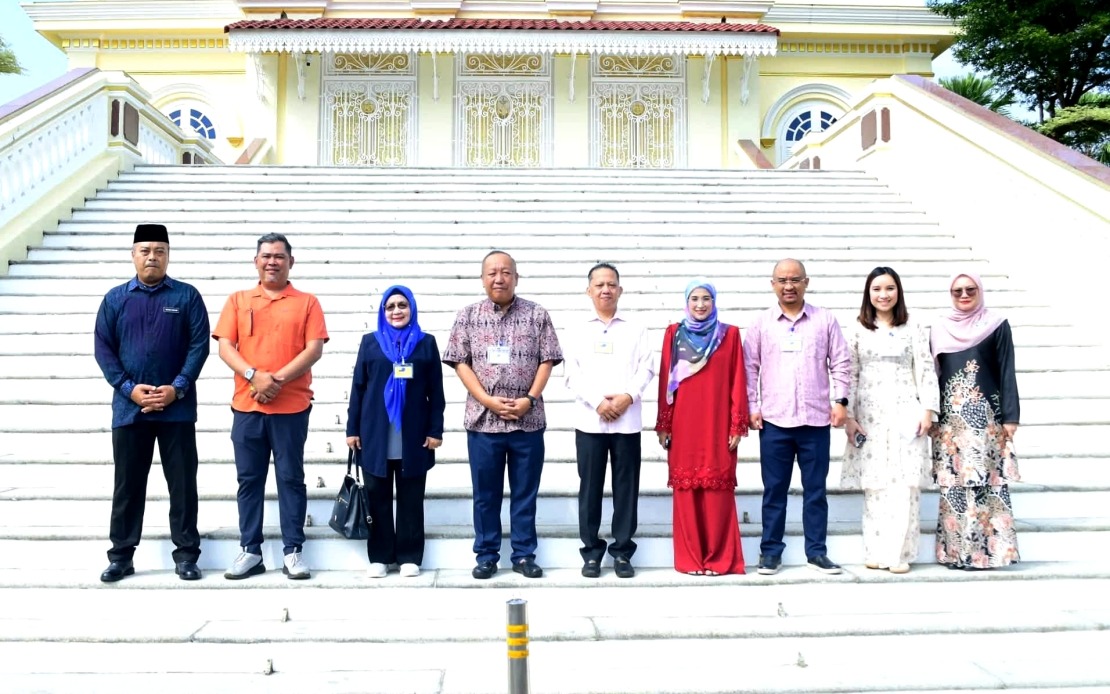
A recent delegation visit from Sabah to Tourism Johor created space for substantive discussions centred on cross-promotional opportunities and joint product development. Rather than simply exchanging pleasantries, the working visit examined practical avenues for cooperation—from coordinating tourism campaigns to developing new packages that could appeal to visitors interested in experiencing multiple regions within a single trip. This model of multi-state tourism bundling has proven effective in other Southeast Asian nations and could help Malaysia compete more effectively with rival destinations in the region.
Beyond marketing coordination, the partnership includes a deeper cultural and institutional dimension. Sabah's delegation toured the Muzium Diraja Abu Bakar at Istana Besar Johor, where officials examined heritage preservation techniques and museum management practices. This hands-on knowledge transfer reflects a recognition that Sabah's cultural sector—encompassing indigenous heritage, historical sites, and cultural institutions—represents a significant but underdeveloped economic asset. Learning from Johor's experience in heritage conservation and museum curation could help Sabah establish comparable institutional standards while differententiating itself as a destination for culturally-minded international travellers.
The emphasis on heritage conservation speaks to a broader strategic calculation within Sabah's tourism sector. While the state has long leveraged its natural attractions—pristine beaches, rainforests, and marine ecosystems—to draw visitors, cultural tourism remains less developed. By enhancing the management and presentation of historical assets, museums, and cultural venues, Sabah can appeal to a demographic of higher-spending tourists seeking authentic cultural experiences. This diversification of the tourism product is particularly important as climate change and environmental degradation increasingly threaten nature-based tourism across Southeast Asia.
For Malaysia at a national level, the Sabah-Johor cooperation represents a shift toward more coordinated interstate tourism governance. Rather than allowing individual states to compete against one another for visitor numbers, the partnership model treats different regions as complementary components of a larger Malaysian brand. This approach requires coordination mechanisms, shared data on visitor flows and preferences, and aligned promotional messaging—infrastructure that may take time to develop fully but could yield significant returns once established.
The timing of this partnership also reflects Malaysia's broader positioning within the regional tourism ecosystem. With Thailand, Vietnam, and Indonesia all actively promoting multi-state tourism routes and attracting substantial volumes of international visitors, Malaysia risks fragmentation unless its states coordinate messaging and product development. By establishing working relationships now, Sabah and Johor are building the foundation for more ambitious joint initiatives—such as integrated tourism packages marketed jointly to Asian and international travel agencies—that could significantly boost arrivals to both destinations.
Visit Sabah Year 2027 will serve as a proving ground for this model of cooperation. The campaign will require sustained engagement with Johor and potentially other states to create a coherent narrative about Malaysia's tourism offerings. Success will depend not only on marketing spend but on tangible improvements in infrastructure, hospitality standards, and cultural institution quality—areas where the knowledge exchange with Johor becomes operationally valuable. If Sabah can absorb Johor's best practices and adapt them to its own context, the 2027 campaign could exceed visitor targets and establish a template for future multi-state tourism initiatives.
The partnership also carries implications for Malaysia's broader economic development strategy. Tourism remains a significant foreign exchange earner for the country, and growth in this sector can generate employment across multiple industries—from hospitality and transportation to cultural heritage management and small-scale retail. By strengthening interstate cooperation and enhancing the quality of tourism experiences, Sabah and Johor are contributing to economic objectives that extend well beyond their immediate constituencies.
Looking forward, the success of the Sabah-Johor model may influence how other states approach tourism development. If measurable improvements in visitor numbers and spending result from this partnership, other regions may seek similar arrangements. Over time, this could lead to a more nationally coordinated approach to tourism promotion and product development—a transformation that could substantially enhance Malaysia's competitive position within Southeast Asian tourism markets and boost long-term economic returns from this critical sector.

