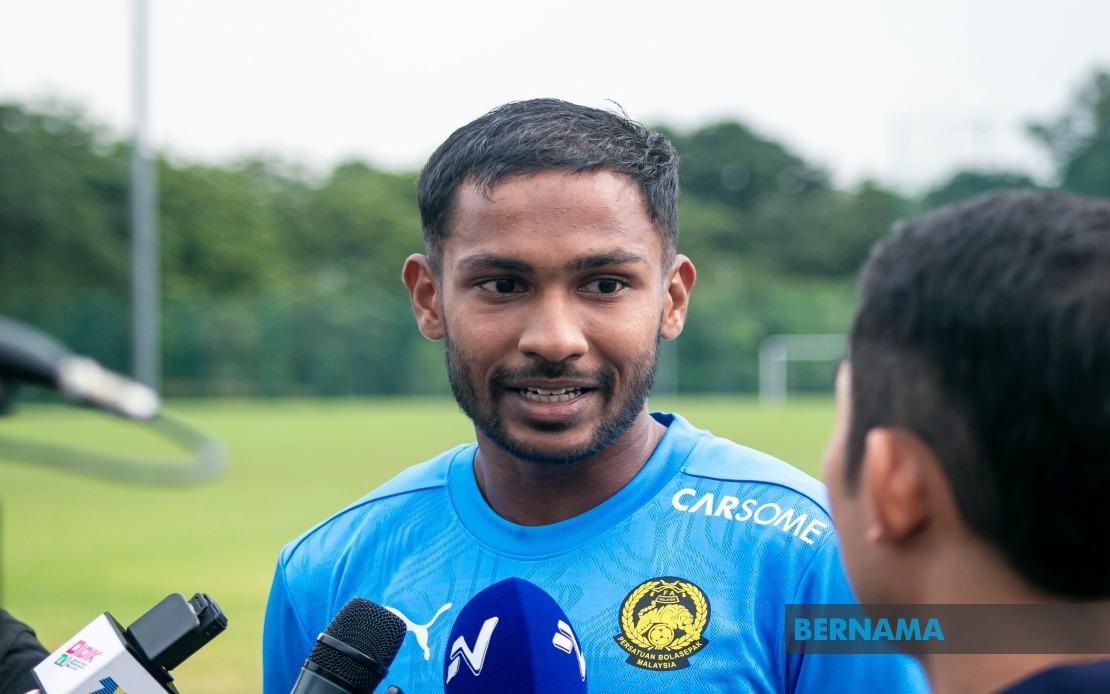
V. Ruventhiran has made an emotional appeal to Malaysian football fans to rally behind Harimau Malaya during the upcoming 2026 Hyundai ASEAN Cup, stressing that the importance of national representation should transcend individual grievances or controversies. Speaking during the team's centralised training camp in Shah Alam, the experienced defender underscored that supporting the squad represents a sacred duty to the country, one that extends beyond the typical loyalties fans might hold towards club football or local league rivalries.
The 11-time Southeast Asian championship venue looms large in Malaysia's footballing consciousness, and Ruventhiran's intervention speaks to deeper concerns about domestic support for the national side. In recent years, Malaysian football has grappled with inconsistent crowd attendance at major tournaments, a problem that becomes particularly acute when matches are held away from home. The psychological impact of playing without substantial vocal support can prove decisive in tight continental competitions where every psychological edge matters.
Ruventhiran specifically highlighted the absence of the "12th man"—the colloquial term for passionate home supporters who functionally operate as an additional team member through their emotional energy and noise. He expressed optimism that fans would return to fill Malaysian stadiums during the home fixtures scheduled throughout the campaign, recognising that this collective presence provides an intangible yet measurable boost to player morale and confidence during moments of adversity or when maintaining concentration becomes challenging.
The squad's opening fixture against Myanmar at Thuwunna Stadium on July 25 presents an immediate test, as it requires Malaysia to navigate hostile conditions without the comfort of home advantage. This away match serves as the opening Group B encounter, setting the tone for subsequent contests. Following this demanding opener, Harimau Malaya returns home to face Laos at the Kuala Lumpur Football Stadium in Cheras on July 28, creating an opportunity to build momentum with crowd support.
The remaining group-stage fixtures include a challenging trip to Bangkok to contest Thailand at the Rajamangala Stadium on August 1, followed by the final group encounter against the Philippines at the Cheras venue on August 8. This scheduling creates alternating home and away scenarios that could significantly influence Malaysia's progression through the group stage. The tournament format dictates that only the top two finishers from each group will secure advancement to the two-legged semi-finals scheduled for mid-August, making every result consequential.
Ruventhiran emphasised that the players remain acutely conscious of the honour embedded within representing the national colours, viewing the weight of expectation not as a burden but as fuel for exceptional performances. This psychological reorientation reflects a maturity in how the squad approaches international competition—acknowledging pressure as inherent to elite sport rather than something to be shunned or minimised. The defender's comments suggest a squad that has collectively decided to embrace rather than resist the intensity of national tournament football.
Meanwhile, midfielder Aliff Haiqal Lokman Hakim Lau approaches the tournament as a pivotal moment for personal redemption and career reinvention. The Penang FC player articulated his gratitude for the national team selection with evident sincerity, recognising that every professional footballer dreams of representing their country at continental level. For Haiqal, this call-up carries additional significance beyond the typical honour associated with international recognition.
Haiqal's recent history has been marked by frustrating injury disruptions that significantly hampered his development and prevented him from establishing consistency in either club or international football. These physical setbacks consume not only time but also confidence, as players struggle with self-doubt regarding whether their bodies will prove reliable when competitions demand maximum output. The psychological recovery from such injury cycles often extends far beyond the healing of tissue and bone.
The midfielder characterised the ASEAN Cup opportunity as a "fresh start" that simultaneously encompasses both his recovery process and a new chapter with Penang FC in the domestic league. This dual reinvention suggests that Haiqal views the international tournament as a vehicle for establishing momentum that will benefit his club campaign. Success at ASEAN Cup level typically elevates a player's profile, increases their confidence, and positions them as a more attractive asset within their domestic league environment.
Haiqal's determination to prove something through strong tournament performances reflects a mindset common among players who have endured significant injury setbacks—a burning desire to demonstrate that their talent remains intact and that temporary physical limitations do not diminish their footballing intelligence or technical capability. The specific framing of wanting to "prove something" suggests awareness that injuries sometimes create lingering doubt among observers and even within coaching staff regarding a player's readiness to perform at demanding competitive levels.
The convergence of Ruventhiran's passionate advocacy for fan support and Haiqal's personal quest for redemption encapsulates the multifaceted nature of tournament preparation. Beyond tactical planning and physical conditioning, successful international campaigns depend upon psychological unity—supporters and players collectively committed to a shared objective that transcends individual club loyalties or personal trajectories. Malaysia's performance throughout the 2026 Hyundai ASEAN Cup will ultimately reflect not merely the technical quality of individual athletes but the extent to which the entire nation embraces this collective purpose that Ruventhiran has so eloquently articulated.

