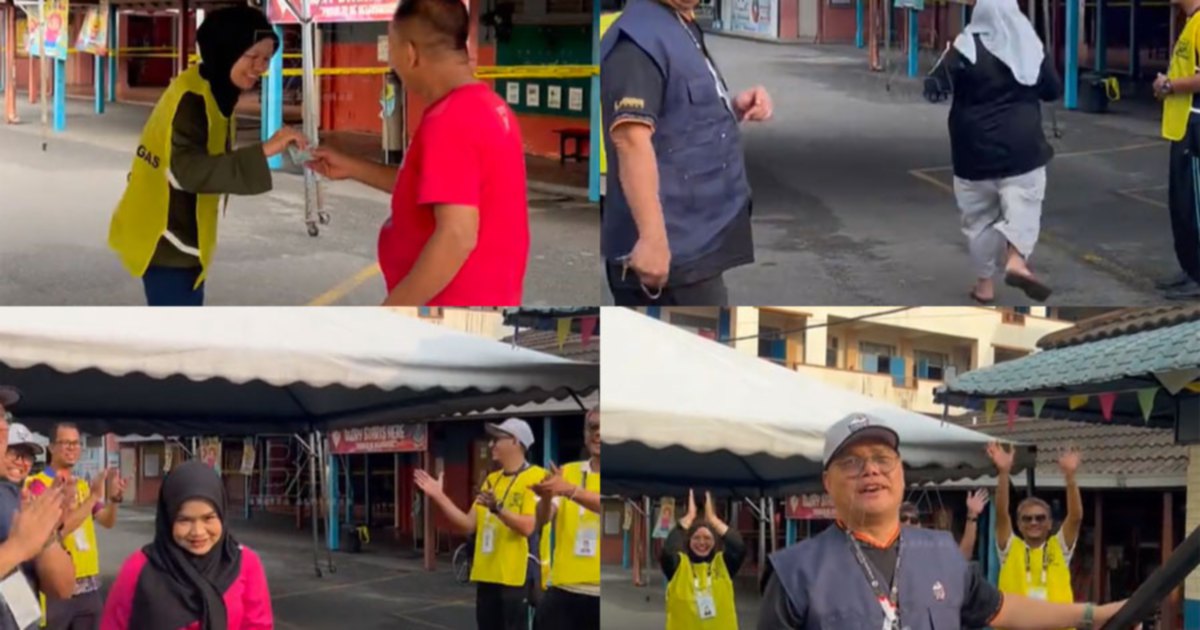
Footage circulating across social media platforms has spotlighted the determined efforts of Negri Sembilan voters to participate in the state election, with the climactic moments before polls shut their doors at 6pm drawing considerable online engagement. The video, which has gained significant traction across multiple platforms, documents the palpable sense of urgency that permeated polling stations as the closing hour approached, providing viewers with an unfiltered glimpse into the democratic process in action.
The viral nature of the clip underscores how election mechanics continue to captivate Malaysian audiences, particularly when they illustrate ordinary citizens navigating bureaucratic deadlines under time pressure. What began as a straightforward recording has evolved into a cultural moment, prompting conversations about voter participation rates, polling station efficiency, and the practical challenges faced by electoral commissions in managing the voting process.
In Malaysian electoral history, the race against closing deadlines has become an enduring narrative, reflecting both the enthusiasm of the electorate and the logistical complexities inherent in conducting democratic exercises. The Negri Sembilan state election, which this footage documents, represents part of Malaysia's ongoing commitment to regular democratic renewal at the state and federal levels. These elections serve as crucial barometers for measuring public sentiment and government performance across different regions.
For Malaysian voters, the 6pm closure time represents a structured endpoint that, while designed to ensure systematic polling procedures, occasionally creates pressure on those who cannot vote earlier in the day. Working professionals, caregivers, and others with daytime commitments often find themselves in the position depicted in the viral video, racing to exercise their constitutional right before the final bell.
The social media response to the footage reflects broader discussions about electoral accessibility in Malaysia. Questions arise about whether closing times adequately accommodate diverse schedules, whether polling station locations serve populations equitably, and how the Election Commission might balance operational requirements with voter convenience. These considerations matter increasingly as Malaysia's electorate grows more digitally connected and socially conscious about systemic fairness.
From a regional perspective, Malaysia's approach to conducting state elections mirrors practices across Southeast Asia, though each nation maintains distinct procedures and timelines. The viral video serves as informal documentation of Malaysian electoral culture—capturing not just procedural adherence but the human dimension of democratic participation. It reveals the commitment ordinary citizens demonstrate when exercising voting rights, even when circumstances create last-minute pressures.
The Negri Sembilan state election carries significance beyond its immediate constituency, often serving as a bellwether for broader political trends affecting the peninsula. State-level contests provide testing grounds for political messaging, coalition dynamics, and voter preferences before they potentially manifest in federal elections. Therefore, documentation of voter enthusiasm—even in its frantic final moments—carries implications for understanding electoral momentum and public engagement.
Polling stations themselves represent critical infrastructure in Malaysia's democratic machinery. Their efficiency, accessibility, and management during peak voting periods directly influence voter experience and overall participation levels. The scenes captured in the viral footage highlight moments when these systems face their greatest stress, with staff managing queues and procedures while voters anxiously clock-watch. Understanding these pressure points helps electoral authorities plan improvements for future contests.
The phenomenon of viral election content reflects Malaysia's dynamic social media landscape, where political and civic content regularly achieves organic reach. This particular video's popularity suggests audiences find genuine appeal in authentic, unscripted documentation of the voting process. Rather than formal campaign materials or political messaging, this grassroots content resonates because it portrays real people making real efforts to participate in democracy.
For Negri Sembilan specifically, the state has experienced evolving political dynamics over recent electoral cycles, with changing demographic compositions and shifting voter preferences. This latest election contributes to the ongoing narrative of how the state positions itself within Malaysia's political ecology. Strong voter participation, as evidenced by the scenes captured in the viral video, suggests engaged constituents invested in determining their state's direction.
The closing hours of any election contain inherent drama—the culmination of weeks of campaigning, policy discussion, and civic mobilization compressed into final moments. The viral video crystallizes this drama in accessible form, allowing viewers who may not have been present at polling stations to experience the atmosphere and intensity surrounding the democratic exercise. This democratization of election documentation through social media represents a notable feature of contemporary Malaysian political engagement.
Looking forward, the images and narratives generated by events like those depicted in the Negri Sembilan video contribute to broader conversations about electoral reform, accessibility, and public participation. Whether discussions ultimately lead to procedural changes remains uncertain, but they signal that Malaysians remain engaged with questions about how their democratic systems function and whether those systems serve all constituents fairly and conveniently.

